
Fiber 101: Soluble, Insoluble, Functional Fiber, and Resistant Starch
Fiber 101: Soluble, Insoluble, Functional Fiber, and Resistant Starch
Carbohydrates tend to get talked about in extremes. They are either essential and important, or accused of being wholly unimportant and even unnecessary, and in my experience, rarely fully understood. explained. In this month’s series, the goal has been to slow that conversation down, take a step back, and look at carbohydrates for what they are.
As a reminder, carbohydrates come in three forms: starch, fiber, and sugar.
This article focuses on fiber, which I often call the forgotten carbohydrate. It is not unusual for people to be surprised that fiber is even considered a carbohydrate. That confusion matters because fiber plays a critical role in health and is one of the most under-consumed nutrients in the typical diet.
What Is Fiber?
Fiber is the structural part of plant foods. It is what gives plants their shape, strength, and rigidity. Think of the strings in celery, the skins on beans, or the bran on whole grains. That structure is fiber.
Unlike starch and sugar, humans do not have the digestive enzymes needed to break down fiber into glucose. That does not mean fiber is useless. It means it works differently. Fiber passes through the digestive system largely intact, providing benefits along the way.
Where Is Fiber Found?
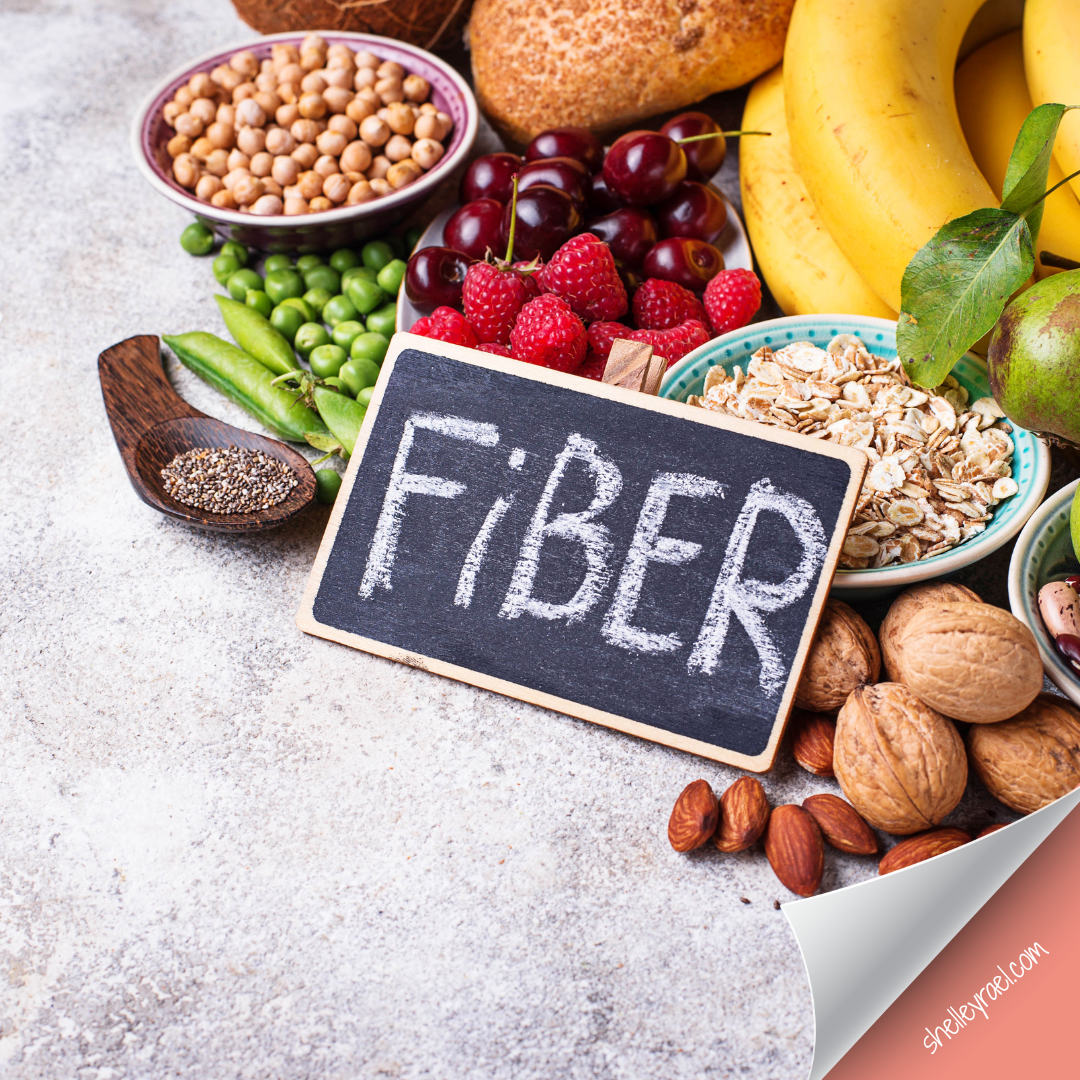
Fiber is found in plant foods. All plant foods contain fiber in varying amounts. These include:
Fruits
Vegetables
Whole grains
Beans
Lentils
Legumes
Nuts
Seeds
Animal foods such as meat, poultry, seafood, eggs, and dairy do not contain fiber. Fiber only comes from plants.
What Happens When Grains Are Refined?
When whole grains are refined, much of the fiber is removed. It may not be eliminated completely, but it is usually reduced.
Examples include:
Brown rice vs white rice
Whole oats vs refined breakfast cereals
Whole wheat bread vs white bread
Whole corn vs cornmeal products
Refining improves texture and texture preferences and extends shelf life, but it also removes parts of the grain where fiber and other nutrients are concentrated.
Why Fiber Matters
Fiber benefits our health in ways that starch and sugar do not. It affects digestion, blood sugar, cholesterol, gut bacteria, and long-term disease risk. While it does not provide energy in the form of calories like other carbohydrates, it plays a critical supporting role in nearly every system of the body.
Fiber is often referred to as nature’s broom because it helps move things along and clear out substances the body does not need. What gets “swept away” depends on the type of fiber.
Soluble Fiber
Soluble fiber dissolves in water and forms a gel-like substance in the digestive tract.
This gel slows digestion and absorption. That slowing effect helps regulate blood sugar and cholesterol levels.
Soluble fiber primarily “sweeps” the bloodstream because of how it affects blood sugar and cholesterol levels.
Health benefits of soluble fiber include:
Improved blood sugar control
Lower LDL cholesterol
Reduced cardiovascular disease risk
Improved gut bacteria activity
Foods rich in soluble fiber include:
Oats
Beans and lentils
Apples
Citrus fruits
Carrots
Barley
Psyllium
Insoluble Fiber
Insoluble fiber does not dissolve in water. It passes through the digestive tract largely unchanged.
This type of fiber adds bulk to stool and supports regular bowel movements. It helps keep the digestive tract functioning smoothly and supports a healthy gut environment.
Insoluble fiber primarily “sweeps” the gastrointestinal tract because of how it helps with movement and a healthy gut.
Health benefits of insoluble fiber include:
Improved bowel regularity
Reduced constipation risk
Support for gut microbiome diversity
Reduced colon disease risk
Foods rich in insoluble fiber include:
Whole wheat products
Brown rice
Nuts and seeds
Vegetables such as broccoli and green beans
Fruit skins
Functional Fiber and Resistant Starch
Functional fibers are isolated fibers added to foods or supplements, such as yogurts, marketed as lower in sugar. Examples include inulin, chicory root fiber, and certain gums. These fibers can provide benefits, but they do not always behave the same way as naturally occurring fibers in whole foods. You will find these listed in the ingredients.
Resistant starch is a type of starch that resists digestion and behaves more like fiber. So it isn’t fiber, but because it behaves like fiber, we often include it in discussions of fiber. Resistant starch feeds beneficial gut bacteria and produces short-chain fatty acids that support colon health.
Sources of resistant starch include:
Cooked and cooled potatoes
Cooked and cooled rice
Green bananas
Legumes
Is Fiber Essential?
You may hear claims that fiber is not essential and that humans do not need it. If you have not heard this claim, then great. But my algorithms allow me to see some of the more outlandish and ridiculous claims about nutrition from non-expert “influencers” and uninformed individuals. While fiber is not classified as an essential nutrient in the same way vitamins are, that does not mean it is optional for health.
A diet consistently low in fiber is associated with increased risk of several chronic conditions.
Low fiber intake is linked to:
Poor gut health
Elevated blood sugar
Higher cholesterol
Increased cardiovascular disease risk
Increased risk of type 2 diabetes
Increased colon cancer risk
Difficulty with weight regulation
People can choose what they eat – of course. However, evidence clearly shows that fiber supports long-term health.
Fiber and Disease Risk
Gut health: Fiber feeds beneficial bacteria and supports digestive function
Blood health: Fiber helps regulate blood sugar and cholesterol
Heart health: Higher fiber intake is linked to lower heart disease risk
Diabetes risk: Fiber slows carbohydrate absorption and improves insulin response
Cancer risk: Higher fiber intake is associated with lower colon cancer risk
Weight management: Fiber increases fullness and helps regulate appetite
How Much Fiber Do We Need?
General recommendations are:
Women: about 25 grams per day
Men: about 38 grams per day
While there are specific recommendations for soluble and insoluble fiber, most people benefit from focusing on total fiber intake from a variety of foods rather than tracking types.
Many people don’t meet their recommended fiber intake, so I don’t worry about people getting “too much.” Theoretically, you can get too much, but most often, when people eat a high-fiber diet, they will feel too full and stop eating before it becomes too much. Or at least in the amount most rational humans will. There will always be the outliers.
Easy Ways to Get More Fiber
Really, if people would get their daily recommended amounts of fruits and vegetables and choose whole grains, it would be…simple. But let’s get more specific.
Eat fruit with the skin
Include vegetables with most meals
Choose whole grains more often – it doesn’t have to be every time
Add beans or lentils to soups and salads
Snack on nuts or seeds
Use oats as a breakfast base
Include vegetables in snacks
Add berries to yogurt or oatmeal
Try whole-grain versions of familiar foods
Build meals around plants
Top 10 High Fiber Foods
Keep in mind that fiber is found in plant foods, and here are the ones that are higher in fiber.
Lentils
Black beans
Chickpeas
Oats
Chia seeds
Raspberries
Pears
Artichokes
Whole wheat pasta
Barley
What About Fiber Supplements?
Fiber supplements can be helpful in some situations. Food is preferred because whole foods provide vitamins, minerals, phytochemicals, water, and fiber. Supplements do not replace the full nutritional package found in foods and the unique synergistic effects in those whole foods.
Final Tips for Increasing Your Fiber Intake
Increase fiber gradually and drink plenty of fluids. A sudden jump in fiber intake without enough water can lead to discomfort.
Fiber works best when paired with adequate hydration and variety.
Next in this series: What Are Net Carbs—and Do They Actually Matter?
Related blogs in this series:
Carbohydrates vs Sugar: What’s the Difference and Why It Matters
The Six Essential Nutrients Explained: A Foundational Guide to Nutrition
What Are Carbohydrates? Fiber, Starch, and Sugar Explained
What Are Net Carbs and Do They Actually Matter?
What Are the Names of Added Sugars?
“Detoxing” From Sugar and the Idea of Sugar Addiction
Low-Carb and No-Carb Diets: What They Get Right and What They Miss
Healthier Alternative Sugars: What the Science Actually Says
Carbohydrates, Sugar, Fiber, and Chronic Disease
How to Build a Balanced Plate When Carbohydrates Are Involved
Nutrition Facts Panel: Serving Sizes, Servings Per Container, and Calories
Nutrition Facts Panel, Part 2: Fats, Cholesterol, Carbohydrates, and Protein
Nutrition Facts Panel, Part 3: Sodium, Potassium, and Other Vitamins and Minerals
Nutrition Facts Panel, Part 4: % Daily Values and Other Information