Discover the Power of Nutrition in Your Community
Discover the Power of Nutrition in Your Community
When conversations about nutrition happen, the focus is often placed entirely on individual choices. What we eat, how we cook, and the habits we build at home certainly matter. But nutrition is also influenced by the communities we live in.
Food availability, affordability, and access all influence people's choices. Community programs, local food systems, and strategies for reducing food waste also play an important role.
The theme for this year’s National Nutrition Month® is Discover the Power of Nutrition. One way to think about that message is to look beyond the individual plate and recognize how community resources can support healthier eating patterns.
Here are several ways community systems and everyday strategies can make nutrition more accessible and affordable.
Food Access
Food access refers to the ability to obtain safe, nutritious, and affordable foods. This includes having grocery stores, markets, or other food sources within a reasonable distance and the financial resources to purchase those foods.
In some areas, people may live far from full-service grocery stores or have limited transportation options. In other cases, the cost of certain foods can make it difficult to purchase them regularly.
Improving food access is an ongoing public health goal. While large-scale changes require policy and community investment, individuals and households can still take steps to work within their current environment.
For example, many communities have farmers’ markets, mobile markets, or cooperative grocery programs that provide additional food access points. Some stores offer discounts on certain days or accept nutrition assistance benefits.
Searching for and exploring local options can sometimes reveal resources that are not widely known. Most people don’t tend to think about doing a simple search for resources in their area.
Local Food Systems
Local food systems connect farmers, producers, distributors, and consumers within a specific region. These systems can help broaden food access while supporting local agriculture and businesses.
Farmers’ markets, community-supported agriculture (CSA) programs, and locally owned grocery stores are all examples of local food systems in action.
For individuals and families, participating in local food systems may offer several benefits. Locally grown foods may be fresher, and purchasing directly from producers can sometimes provide competitive prices depending on the product and season.
Community gardens are another example of local food systems that bring people together while increasing access to fresh foods. Many communities offer shared gardening spaces where residents can grow produce and learn gardening skills.
Even small connections to local food systems can help increase awareness of where food comes from and how it reaches our plates.
Frozen Foods and Healthy Eating on a Budget
Learn More About Frozen Foods: Reconsider Frozen Foods: A Fresh Perspective on Convenience
For Practical Strategies For Healthy Eating: 5 Ways to Make Healthy Eating Easier
Learn the Difference: Understanding Food Waste vs. Food Loss: A Key to Sustainable Eating
National Nutrition Assistance Programs: USDA Food and Nutrition Service Nutrition Assistance Programs
You can search for “community gardens” in your local area. Current New Mexico CommUnity Gardens are an example.
When conversations about healthy eating happen, frozen foods are sometimes overlooked – or even shunned. In reality, frozen fruits and vegetables can be a practical and affordable option for many households.
Frozen produce is typically processed and frozen soon after harvest, which helps preserve nutrients. These foods can also reduce food waste because they last longer than many fresh items.
From a budget perspective, frozen foods often offer consistent pricing year-round, while fresh produce may fluctuate with the season.
Frozen vegetables can easily be added to soups, stir-fry dishes, pasta meals, casseroles, or grain bowls. Frozen fruit can be used in smoothies, oatmeal, yogurt bowls, or baked dishes.
Using frozen foods alongside fresh foods can be a practical strategy for improving nutrition while managing grocery costs.
Community Nutrition Programs
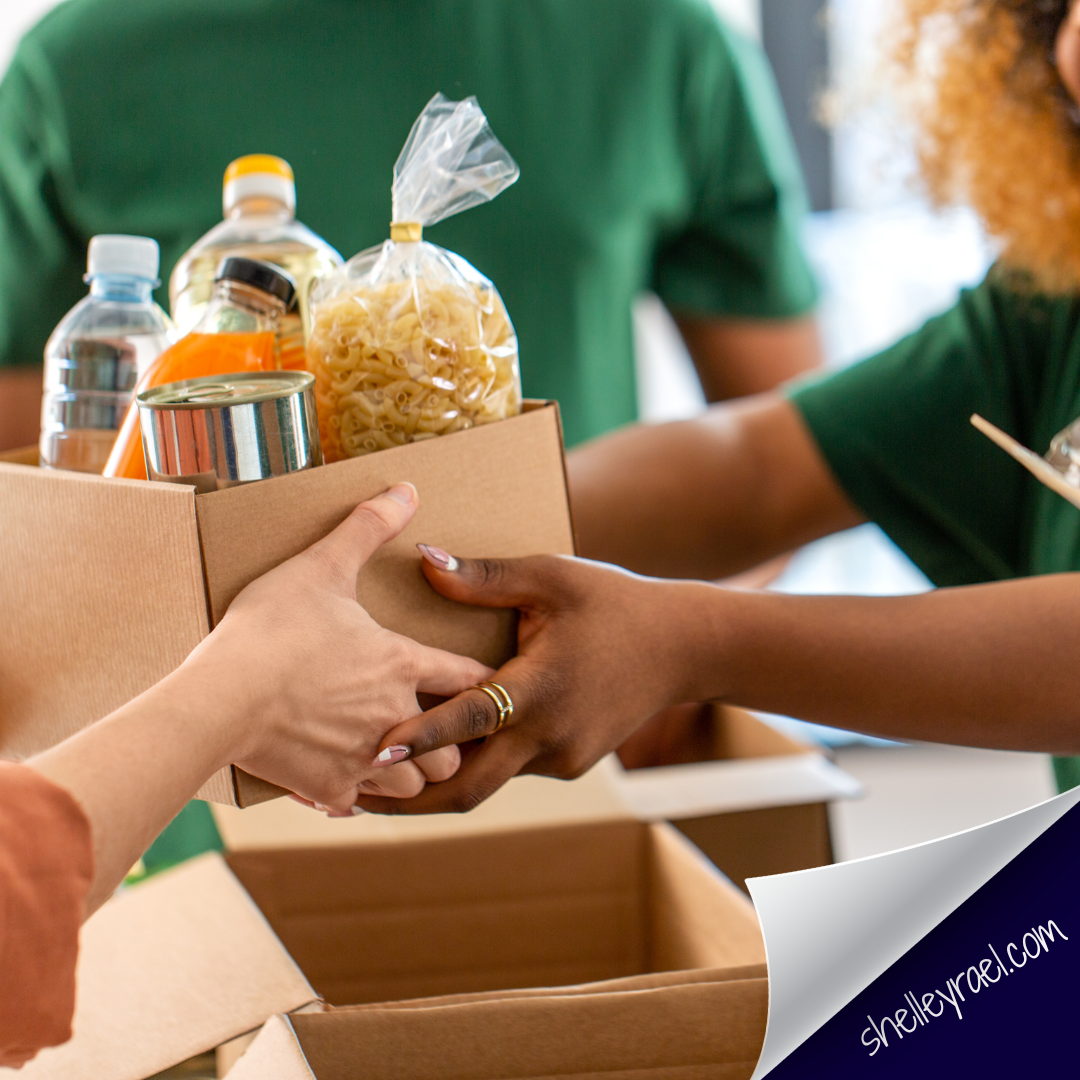
Many communities offer programs designed to help individuals and families access nutritious foods.
Federal programs such as SNAP and WIC provide support for purchasing groceries. Food banks and food pantries often distribute shelf-stable foods as well as fresh produce when available.
School meal programs, senior nutrition programs, and community meal services can also help support nutrition across different age groups.
Local health departments, nonprofit organizations, and community centers may offer cooking classes, nutrition education, or food distribution programs.
For individuals who are unsure what programs exist in their area, local government websites, health departments, or nonprofit organizations are often good starting points for finding resources.
Community programs can play an important role in helping households maintain consistent access to nutritious foods.
Reducing Food Waste
Another way communities and households can support both nutrition and affordability is by reducing food waste.
Food waste occurs when edible food is discarded before it can be used. This can happen for many reasons, including overbuying, improper storage, or misunderstanding food date labels.
Reducing waste can help stretch food budgets while making better use of available resources.
Simple strategies include planning meals before grocery shopping, storing foods properly, and using leftovers creatively in future meals.
For example, leftover roasted vegetables can be added to omelets or grain bowls. Extra cooked rice can be used in stir-fry dishes the next day. Slightly overripe fruit can be used in smoothies or baking.
Some communities also offer composting programs that help manage food scraps in environmentally responsible ways.
Reducing waste not only saves money but also supports broader environmental and community sustainability goals.
Nutrition Is Both Personal and Community-Based
Healthy eating is often discussed as an individual responsibility, but community resources and systems play a large role in shaping food choices.
Access to grocery stores, community programs, local food systems, and affordable food options all influence the ability to maintain balanced nutrition patterns.
The good news is that many communities already have resources that support nutrition, even if they are not always widely known.
During National Nutrition Month®, the message to discover the power of nutrition can include recognizing how community systems support access to food, learning about available resources, and using practical strategies to stretch food budgets.
Nutrition is not only about what happens in the kitchen. It is also about the networks, programs, and systems that help communities be fed and ideally, well-nourished.