Real World Nutrition News You Can Use
There is a lot of misinformation about nutrition. And nothing in this field is black-or-white, yes-or-no, but many shades of gray and a lot of “it depends.” So, my goal is to help clear up some of that misinformation with some snark, entertainment, and facts (with some opinion thrown in).
Many of these topics come from interactions with the public, friends, clients, and students. I see sheer misinformation about the science of nutrition, and I do my best to clear things up one blog post at a time.
If you have a topic you are wondering about, let me know.
Looking for a specific topic? Search to see if it is already here.

Tips for Busy Families: Making Time for Family Meals
Family meals do not have to be elaborate or happen every night. These practical tips can help busy families find more opportunities to eat together.
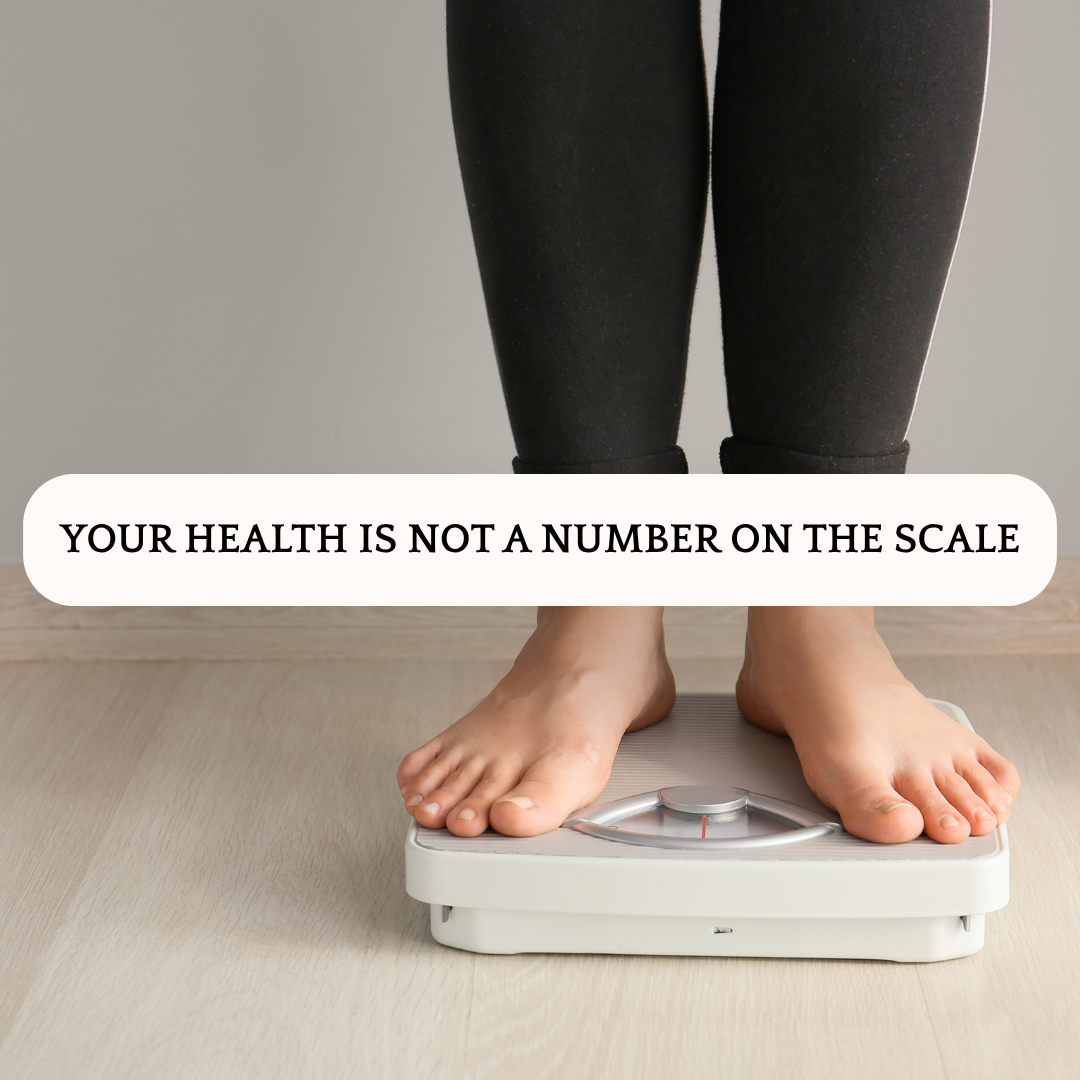
Your Health Is Not a Number on the Scale
Your weight can tell you one thing about your body, but it cannot tell you everything about your health. Here is what to pay attention to instead.
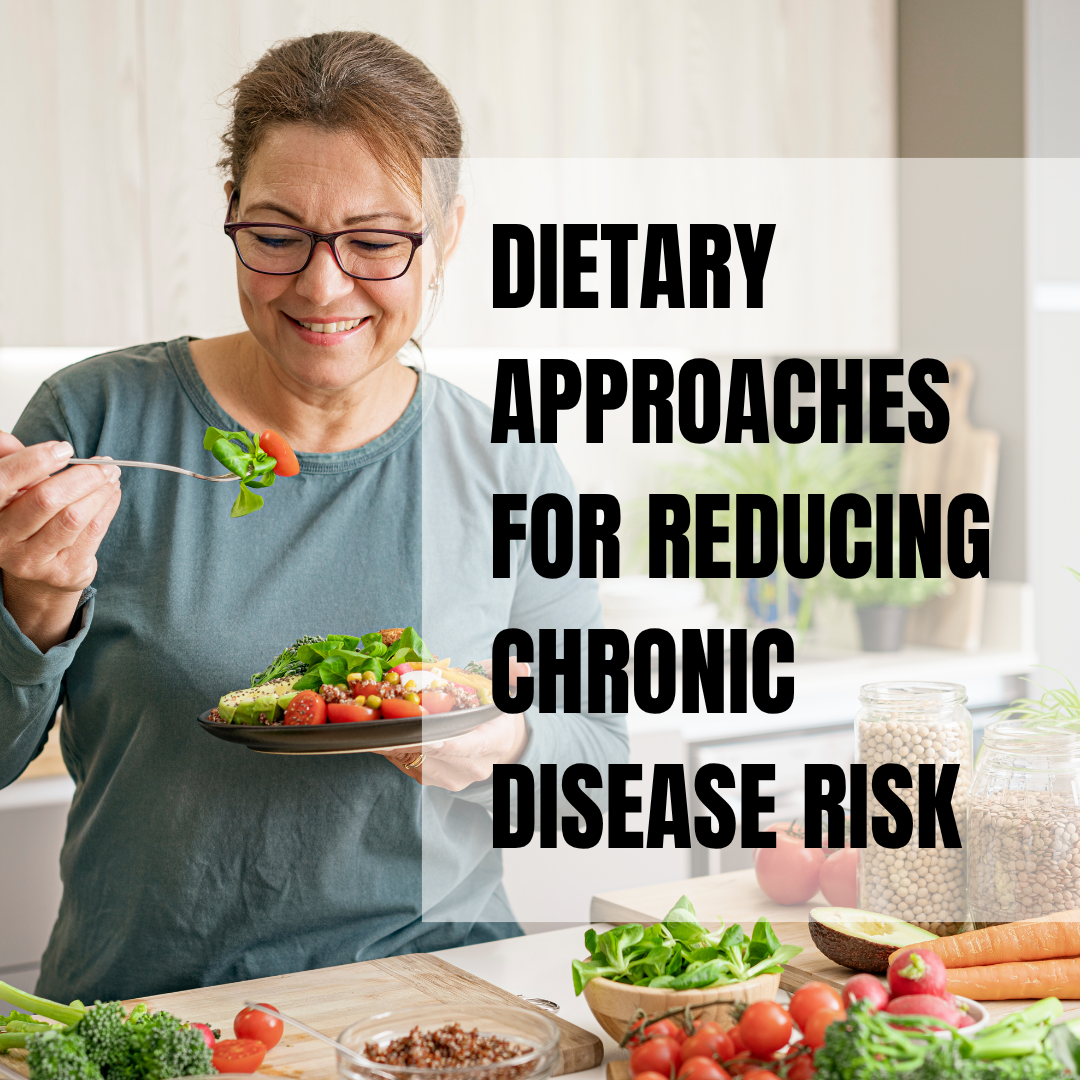
Dietary Approaches for Reducing Chronic Disease Risk: Cardiovascular Health, Diabetes, Cancer, and Respiratory Wellness
There isn't one diet for every chronic disease. Learn how practical eating patterns can support heart health, blood glucose, cancer risk reduction, and respiratory wellness.

Healthy Eating Doesn't Have to Mean Eating "Healthy Foods" All the Time
Healthy eating isn't a test you pass or fail at every meal. A healthy eating pattern includes nutrition, variety, enjoyment, flexibility, convenience, cultural foods, and room for pleasure.

Chronic Disease Prevention: What You Can Influence and What You Can't
Chronic disease risk is influenced by much more than individual choices. Learn what you can do to support long-term health while recognizing the role of genetics, environment, access to care, and other factors.
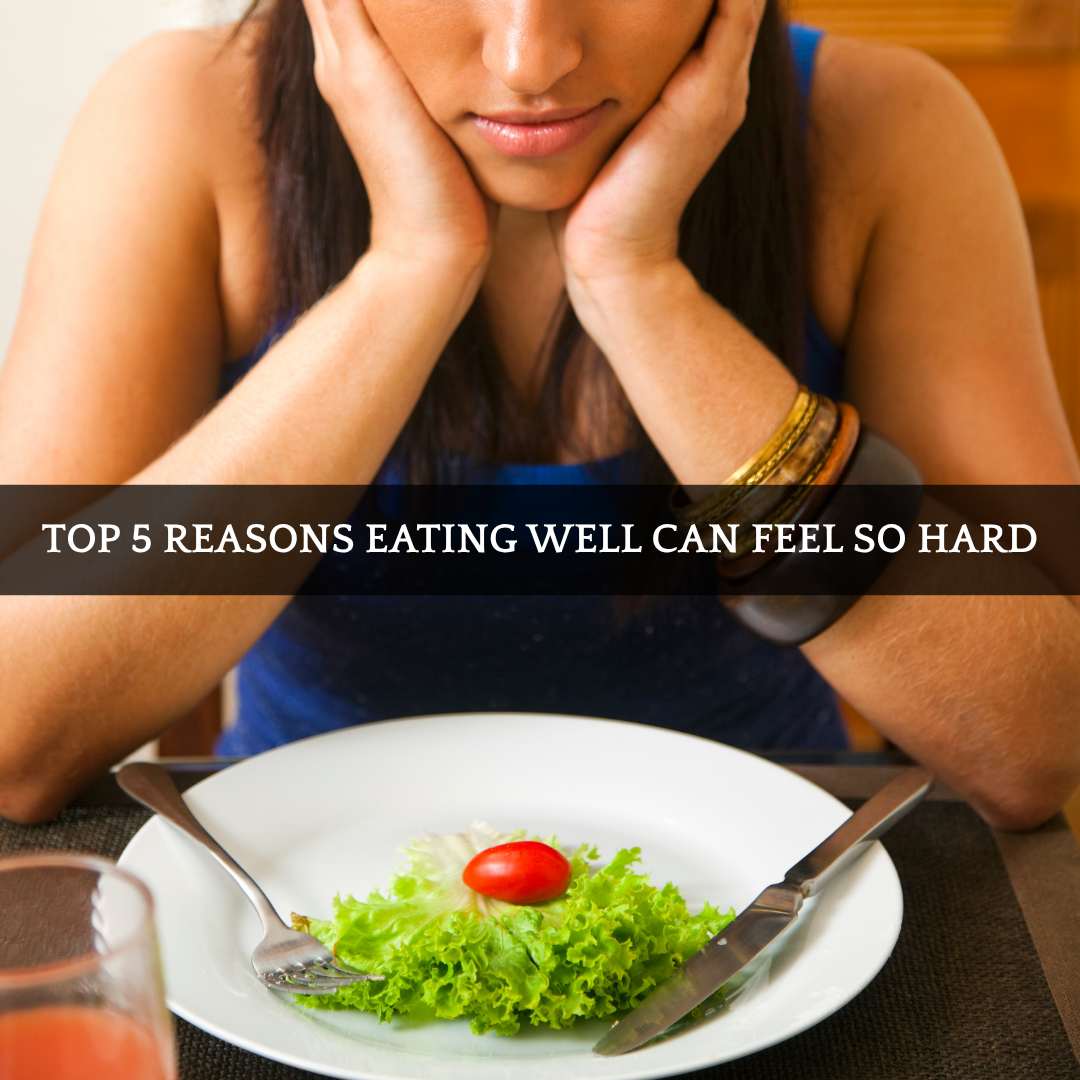
Top 5 Reasons Eating Well Can Feel So Hard
Eating well can be difficult for many reasons, from busy schedules and food costs to boredom and feeling restricted. Here are five common barriers and realistic ways to make eating well easier.
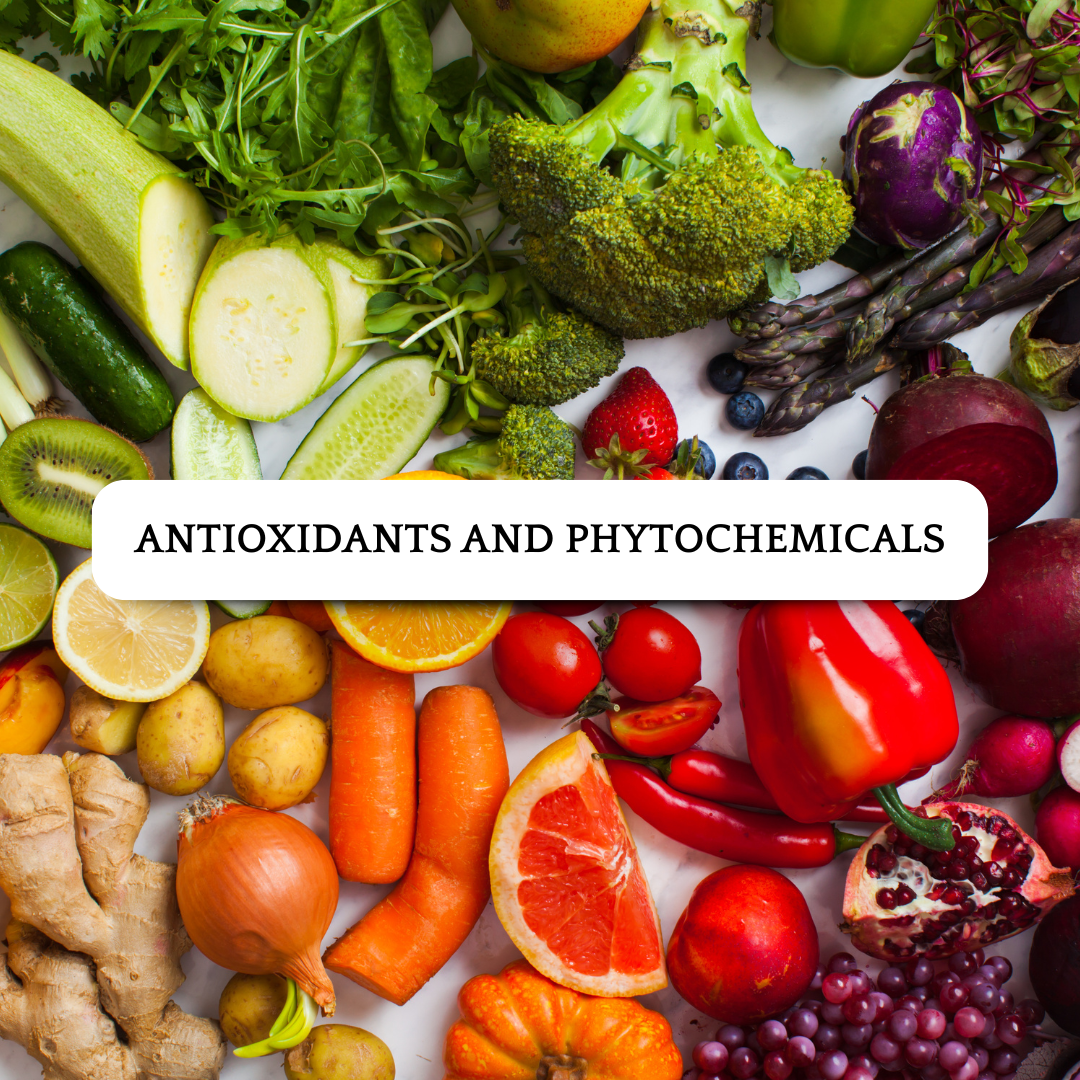
Antioxidants and Phytochemicals: What They Are and Why They Matter
Antioxidants and phytochemicals aren't just ingredients in supplements. They're naturally occurring components of many foods. Here's what they are, where to find them, and why food variety matters more than chasing individual nutrients.
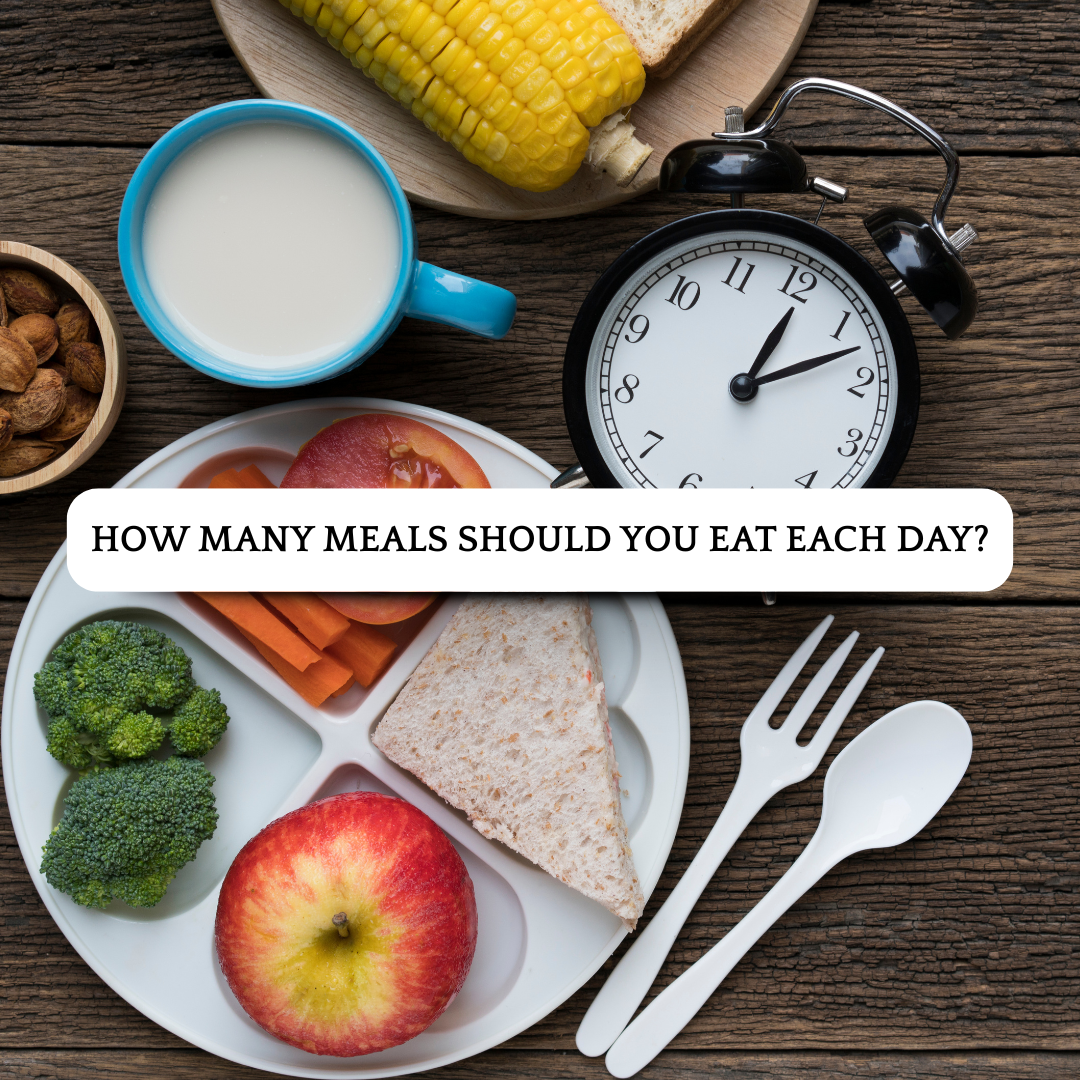
How Many Meals Should You Eat Each Day? Three Meals, Six Meals, or One?
Three meals? Six small meals? One large meal? Here's what the research says about meal frequency, metabolism, intermittent fasting, and finding an eating pattern that works for you.
Wheat Allergy vs. Gluten Intolerance vs. Celiac Disease: What's the Difference?
Wheat allergy, gluten intolerance, and celiac disease all involve reactions to foods containing wheat, but they are very different conditions. Learn what sets them apart and why understanding the difference matters.
Food Allergy vs. Food Intolerance: What's the Difference?
Have you ever wondered whether a reaction to food is an allergy or an intolerance? Although the terms are often used interchangeably, they have different causes, symptoms, and health implications. Here's what you need to know.
Lactose Intolerance vs. Dairy Allergy: Why They Are Not the Same Thing
Lactose intolerance and dairy allergy are often confused, but they are two very different conditions. Learn what causes each one, the symptoms to watch for, and why understanding the difference matters.
What Actually Matters? Finding an Eating Pattern That Works for You
After exploring diets from every angle, what actually matters? Learn how to evaluate nutrition advice and choose an eating pattern that fits your health goals, preferences, and lifestyle.
Five More Weight Loss Myths Busted
From low-carb diets and gluten-free eating to vegan diets and exercise, these common weight loss myths continue to circulate. Learn what the evidence actually shows.
Not Every Diet Is About Weight Loss: Gluten-Free, Heart-Healthy, Diabetic, Low-FODMAP, and Other Therapeutic Diets
Not all diets are designed for weight loss. Learn how therapeutic diets such as gluten-free, diabetic, renal, low-FODMAP, and heart-healthy eating patterns help manage chronic medical conditions.
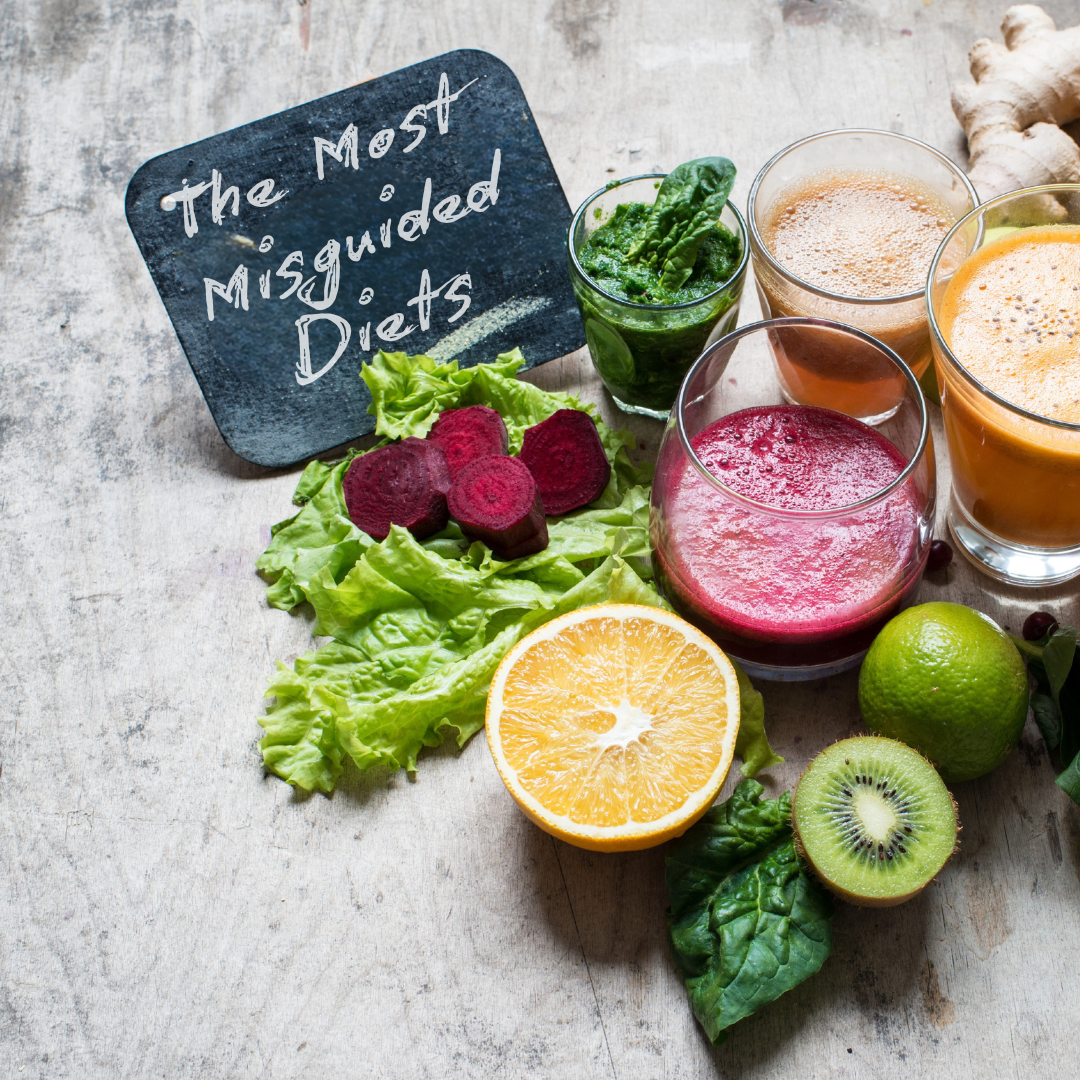
The Most Misguided Diets: Cabbage Soup, Military Diet, Detoxes, and Other Quick-Fix Promises
Do fad diets really work? Learn why quick-fix plans such as the Cabbage Soup Diet, Military Diet, detoxes, and cleanses produce short-term results but rarely lead to long-term success.
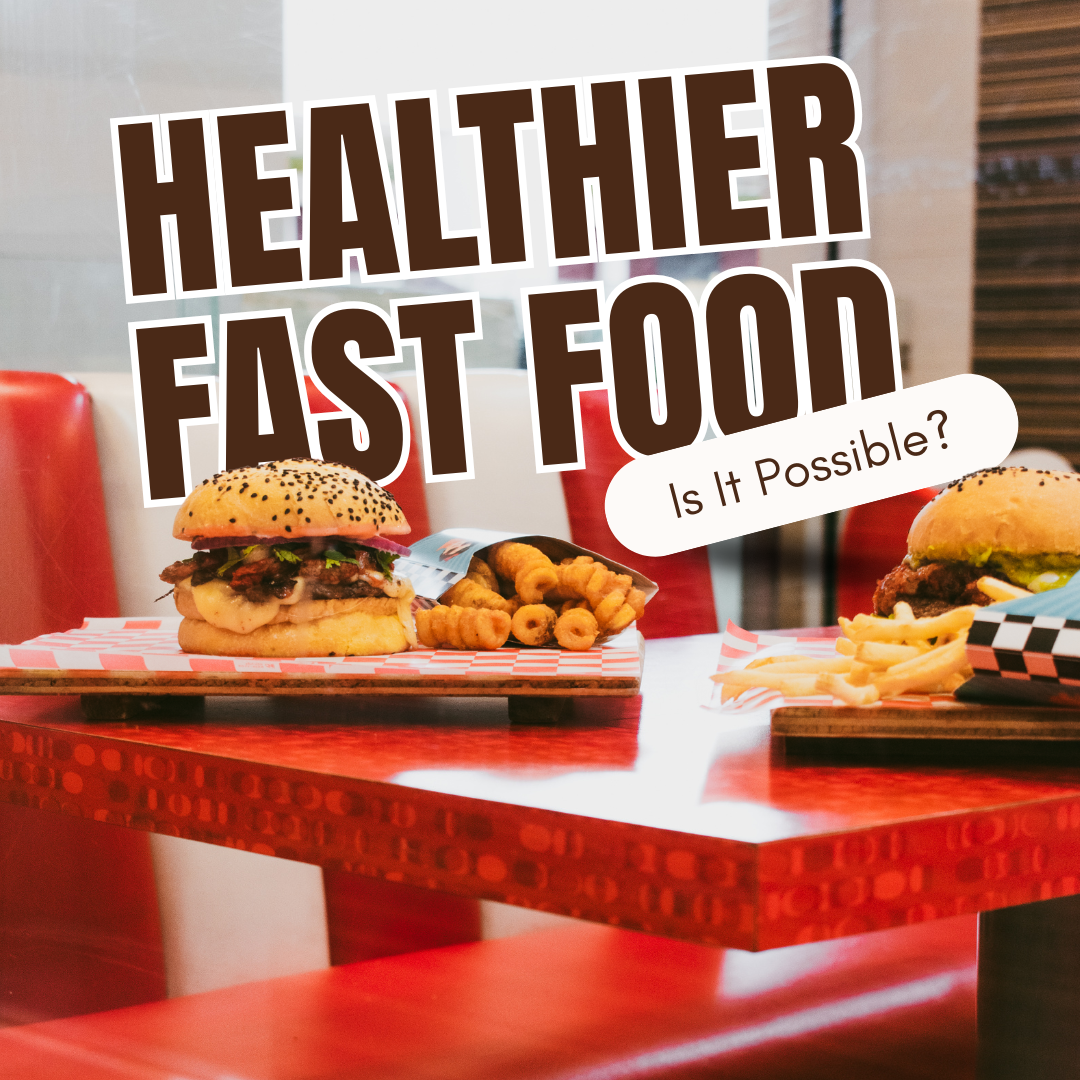
Healthier Fast Food: Is It Possible?
Can fast food fit into a healthy eating pattern? Learn practical strategies for making more balanced choices when eating at fast food and quick-service restaurants.

When Diets Go Sideways: How Keto, Carnivore, and Other Trends Drift from Their Original Purpose
Many popular diets began with a specific purpose unrelated to weight loss. Learn how keto, elimination diets, Whole30, and carnivore evolved into modern diet trends.
Five Weight Loss Myths Busted
Do you need to stop eating after 8 PM? Should everyone follow a 1,200-calorie diet? Learn the truth behind five common weight loss myths and what the evidence actually shows.
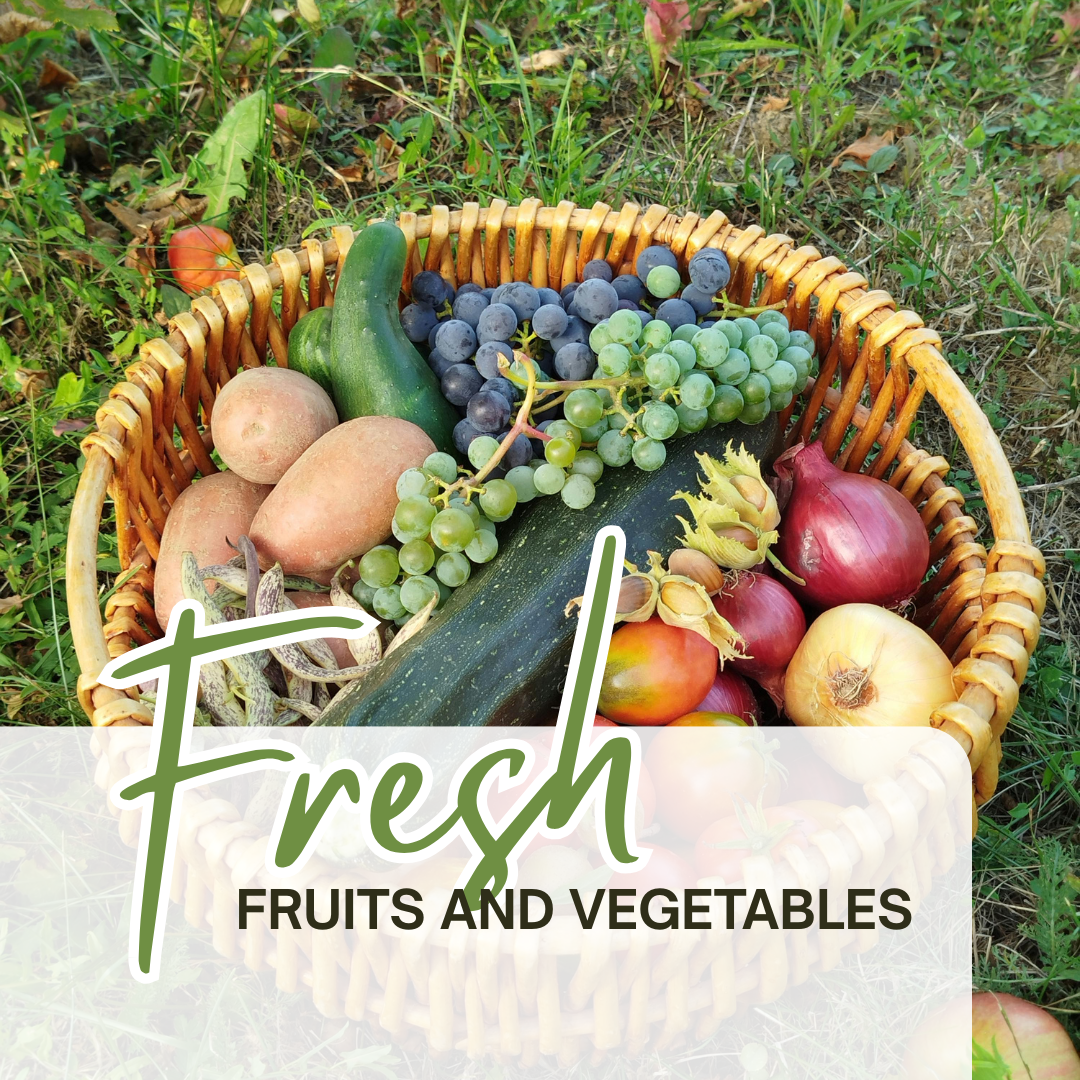
Fresh Fruits and Vegetables: Why Eating More Produce Is Still Great Advice
Why do fruits and vegetables appear in nearly every healthy eating pattern? Learn the benefits of produce, common nutrition myths, and simple ways to eat more fruits and vegetables.
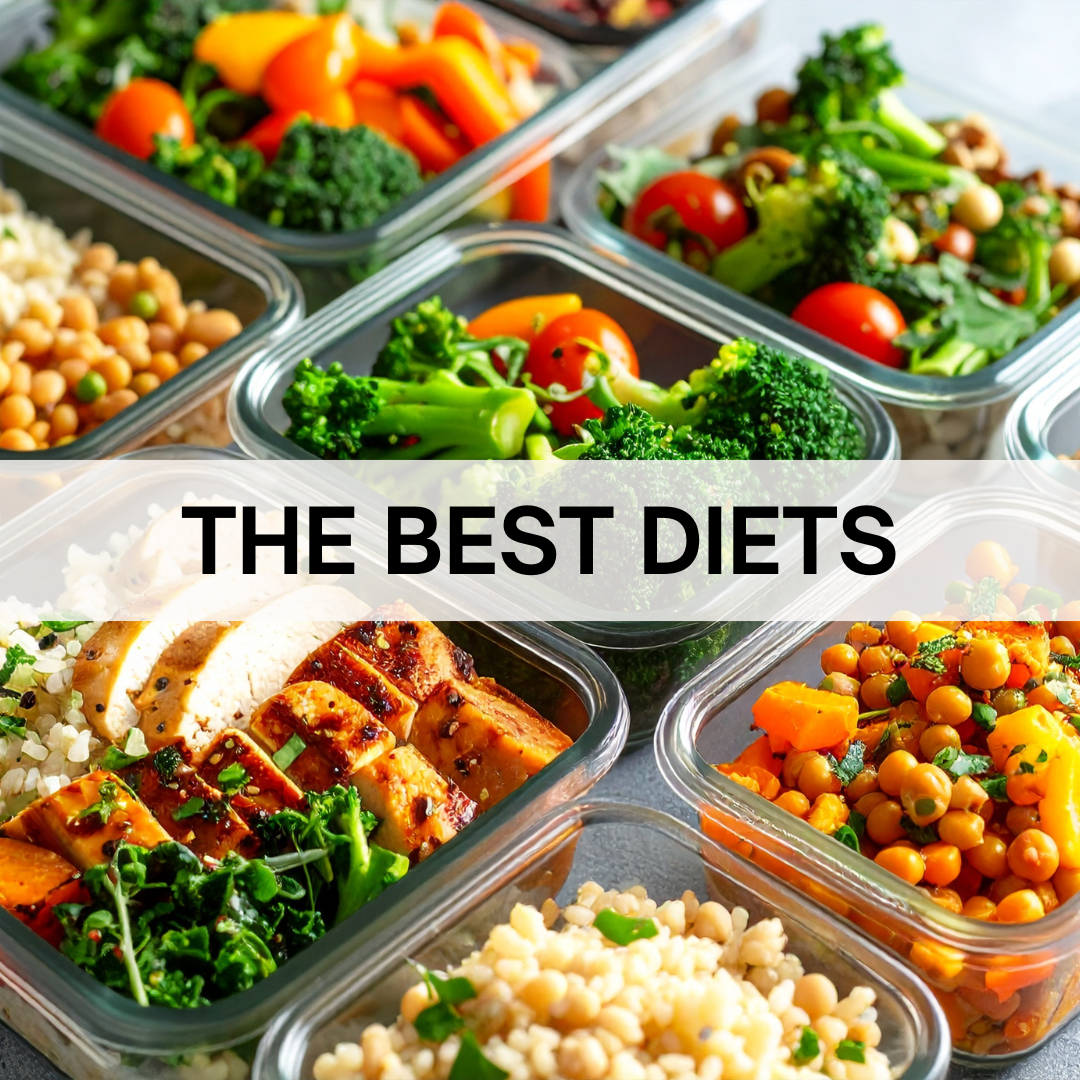
The Best Diets: DASH, MIND, Flexitarian, Mediterranean, and Why They Consistently Rank Well
What makes a diet one of the best? Learn why DASH, MIND, Mediterranean, Flexitarian, and plant-forward eating patterns consistently receive high rankings and what they have in common.