
Is Oatmeal a Healthy Breakfast? What Makes an Oatmeal Breakfast Work
Oatmeal is often recommended as a healthy breakfast. It contains whole grains, provides fiber, and can be an affordable, convenient option. But does that mean a bowl of oatmeal is automatically a good breakfast?
Not necessarily. And that doesn't mean oatmeal is unhealthy.
I think we spend too much time deciding whether individual foods are healthy or unhealthy and not enough time looking at the bigger picture. With oatmeal, the more useful question is what goes into the bowl, how much you eat, and whether it keeps you satisfied.
If you tried oatmeal for breakfast in the past, but felt hungry an hour later, you might need to change how you prepare it. Or you might discover oatmeal simply isn't your favorite breakfast. And that’s okay.
So, what makes an oatmeal breakfast work? What can be done to help make it “stick” for more than an hour?
Is oatmeal healthy on its own?
Oats are a nutritious whole grain. They provide carbohydrates for energy, fiber, some protein, and nutrients such as magnesium, iron, and thiamin. Oats also contain beta-glucan, a soluble fiber that can help lower LDL cholesterol as part of an overall eating pattern.
Those are good reasons to include oats in your diet if you enjoy them.
But plain oatmeal made with water is not a particularly substantial meal for everyone. It provides carbohydrates and fiber, but relatively little protein and fat. Depending on the serving size and your needs, you could very likely be hungry again before lunchtime.
That doesn't make the oatmeal a problem. It means you need to consider the whole breakfast rather than judging it by the oats alone.
What does oatmeal provide nutritionally?
Oats are primarily a source of carbohydrates, including starch and fiber. Carbohydrates are an important energy source, and there is no reason to avoid them just because they make up a significant part of oatmeal.
The fiber is another benefit. Oats contain beta-glucan, which supports healthy cholesterol levels, and fiber helps support digestive health.
Oats also provide some protein, but they are not a particularly high-protein food compared with options such as eggs, Greek yogurt, or cottage cheese.
The nutritional value of your breakfast changes depending on what else you eat with the oats. A bowl made with milk, walnuts, and berries provides a different mix of nutrients than a small serving of plain oatmeal made with water.
Neither needs a “good food” badge. They simply provide different things.
Why might oatmeal leave you hungry an hour later?
If oatmeal doesn't keep you satisfied, check the portion size and what you're adding to it.
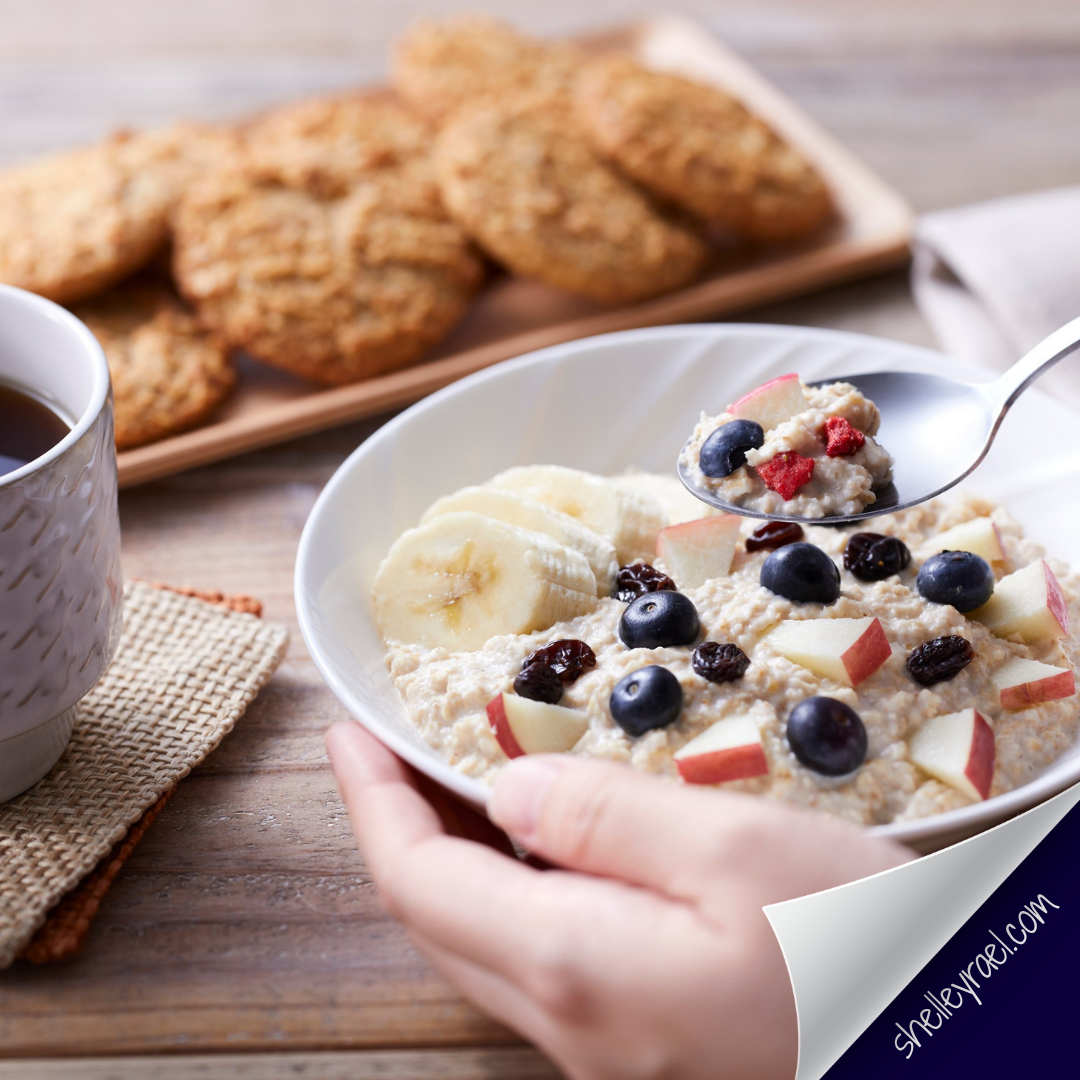
A small bowl of oats made with water might not provide enough energy for your morning. You might also benefit from more protein or fat, both of which can make a meal more satisfying.
Try adding milk instead of water, stirring in Greek yogurt, or topping your oatmeal with nuts or stirring in peanut butter. Fruit and seeds can add more fiber, too. You don't have to add everything at once. Make a change and see whether it helps.
Your appetite is what matters here. Someone with a relatively sedentary morning may have different needs than someone who exercises early or has a physically demanding day. No single serving size works for everyone.
How can you add protein to oatmeal?
You have several options, and protein powder isn't a requirement.
Use milk. Dairy milk provides protein, calcium, and often vitamin D. Fortified soy milk can also provide a useful amount of protein.
Add Greek yogurt. Stir it into cooked oatmeal once it has cooled a bit, or spoon it on top.
Use peanut butter or another nut butter. You'll get some protein along with fat, which adds to the meal's staying power.
Add nuts and seeds. Pumpkin seeds, hemp seeds, chia seeds, flax seeds, and walnuts provide varying amounts of protein, fat, and other nutrients.
Eat something alongside your oatmeal. An egg, cottage cheese, or a serving of yogurt can help round out breakfast.
Think about what you like and what fits your morning. If you already eat enough protein throughout the day and oatmeal keeps you satisfied, you may not need to change anything.
Do you need to add protein at all?
No. No rule requires every breakfast to include a specific amount of protein.
Protein is important, but your overall intake matters more than whether every single meal hits a specific number. If you enjoy plain oatmeal and it works for your appetite and daily routine, there's no reason to turn it into a “high protein” recipe or tag it as “protein oats” just because you see it online.
On the other hand, if you're hungry soon after breakfast or regularly struggle to get enough protein, adding a protein source is a reasonable place to start.
Pay attention to what you need rather than following a breakfast rule that may not apply to you.
What about sugar, honey, maple syrup, or brown sugar?
You can sweeten your oatmeal, of course. A little brown sugar, honey, or maple syrup doesn't suddenly turn that breakfast into an unhealthy meal.
These sweeteners add sugar, yes, so the amount matters in your overall eating pattern. But there is a difference between adding a teaspoon of brown sugar because you enjoy it and assuming any amount of sugar makes a food “bad.”
Fruit is another option. Bananas, berries, apples, peaches, and dried fruit can add sweetness, along with varying amounts of fiber and other nutrients. Cinnamon and vanilla can add flavor, too.
Use what you enjoy. You don't have to make oatmeal taste like something you don't want to eat to make it nutritious.
Are flavored instant oatmeal packets unhealthy?
No. Instant oatmeal is not automatically unhealthy, and convenience is a legitimate reason to choose it.
Some flavored packets contain added sugar, and serving sizes vary. Check the nutrition facts if you want to compare options. You can also combine a flavored packet with plain oats, make it with milk, or add fruit, nuts, or yogurt.
Plain oats give you more control over sweetness and toppings, but you don't have to avoid instant oatmeal. If a packet helps you get breakfast on the table on a busy morning, that counts for something.
Does steel-cut oatmeal have a significant advantage over rolled oats?
Not a significant nutritional advantage for most people.
Steel-cut oats are cut into pieces, while rolled oats are steamed and flattened. Instant oats are processed further so they cook quickly. These differences affect cooking time and texture, and can affect how quickly the oats are digested.
All three can be nutritious choices when you start with plain oats. Steel-cut oats take longer to cook, while rolled and instant oats are convenient when time is limited.
Choose the type you like and will actually use. You don't need to spend 30 minutes cooking steel-cut oats to get the benefits of eating oats.
What about overnight oats?
Overnight oats are a convenient option if you want breakfast ready when you wake up. And you are fine with a cold version of oats – not everyone is. You combine oats with milk or another liquid and let them soften in the refrigerator overnight.
Keep them simple or add ingredients such as Greek yogurt, chia seeds, fruit, or nut butter. Again, these additions can change the meal’s protein, fiber, fat, and overall energy.
The same approach applies to hot oatmeal. Start with the oats, then decide what else would make the breakfast more satisfying.
Is oatmeal made with milk better than oatmeal made with water?
Milk adds nutrients that water doesn't provide, including protein and calcium. Dairy milk often provides vitamin D, and fortified soy milk can be a similar protein option. Other plant-based beverages vary in protein content, so check the label if protein is important to you.
Water works just fine, too. You might prefer it, or you might plan to get protein from yogurt, nuts, or another food.
The question isn't which preparation wins. It's what you want your breakfast to provide.
What can you add for more fiber and staying power?
Oats already contain fiber, but you can add more with berries, apples, pears, chia seeds, flaxseed, or nuts. Nuts and nut butters also contribute fat, which can make the meal more substantial.
Some combinations to try:
Oatmeal with milk, berries, and walnuts
Oats topped with banana and peanut butter
Overnight oats with Greek yogurt, chia seeds, and fruit
Oatmeal with chopped apples, cinnamon, and pumpkin seeds
Portion size matters, too. If your bowl is small and you're hungry soon afterward, try eating a little more. If you add several toppings and find the meal is more than you want, adjust them. This is about finding a breakfast that meets your needs, not following a formula.
Is oatmeal a good breakfast for everyone?
No, and it doesn't need to be.
Some people love oatmeal. Others prefer eggs and toast, yogurt and fruit, or dinner leftovers. Some people find oatmeal filling, while others need a more substantial meal. You can eat well without eating oatmeal.
If you have celiac disease, choose oats labeled gluten-free when appropriate, because oats can be contaminated with gluten during growing or processing. Follow your health professional's guidance for your individual needs.
There are plenty of ways to build a nutritious breakfast. Oatmeal is one option, not a requirement.
Does the breakfast work for you?
This is the question I'd like you to ask instead of simply deciding whether oatmeal is healthy.
Do you enjoy it?
Does it provide enough energy?
Are you hungry again shortly after eating?
Does it fit your schedule and budget?
Does it help you meet your nutritional needs?
If you enjoy oatmeal but are hungry an hour later, experiment with the portion, protein, or toppings. If your usual bowl keeps you satisfied and fits into your overall eating pattern, there's no reason to change it just because someone recommends a different version online.
And if you don't like oatmeal, you don't need to eat it because it has a healthy reputation.
Individual foods don't need to earn a “good food” label. One ingredient doesn't determine the quality of your eating pattern, and a breakfast doesn't have to meet every possible nutrition goal to be a useful choice.
The goal is to find foods and meals that work for your needs and your real life. Oatmeal can do that for many people. The question is whether it does that for you.
Want to learn more about oats? Read Oats: Nutrition, Fiber, and Everyday Uses for more on oat varieties, their nutritional benefits, and ways to use them beyond breakfast.