
How Much Protein Do You Really Need?
How Much Protein Do You Really Need?
Protein is one of the most talked-about nutrients in the health and fitness world. Whether it’s gym-goers chasing gains or folks trying to eat healthier, the question of how much protein do I need? comes up a lot.
And while most people are already getting enough, some lingering myths and misunderstandings persist regarding the amount needed, when to consume it, and whether supplements are necessary. Let’s break it down.
Are You Getting Enough Protein?
Short answer: probably.
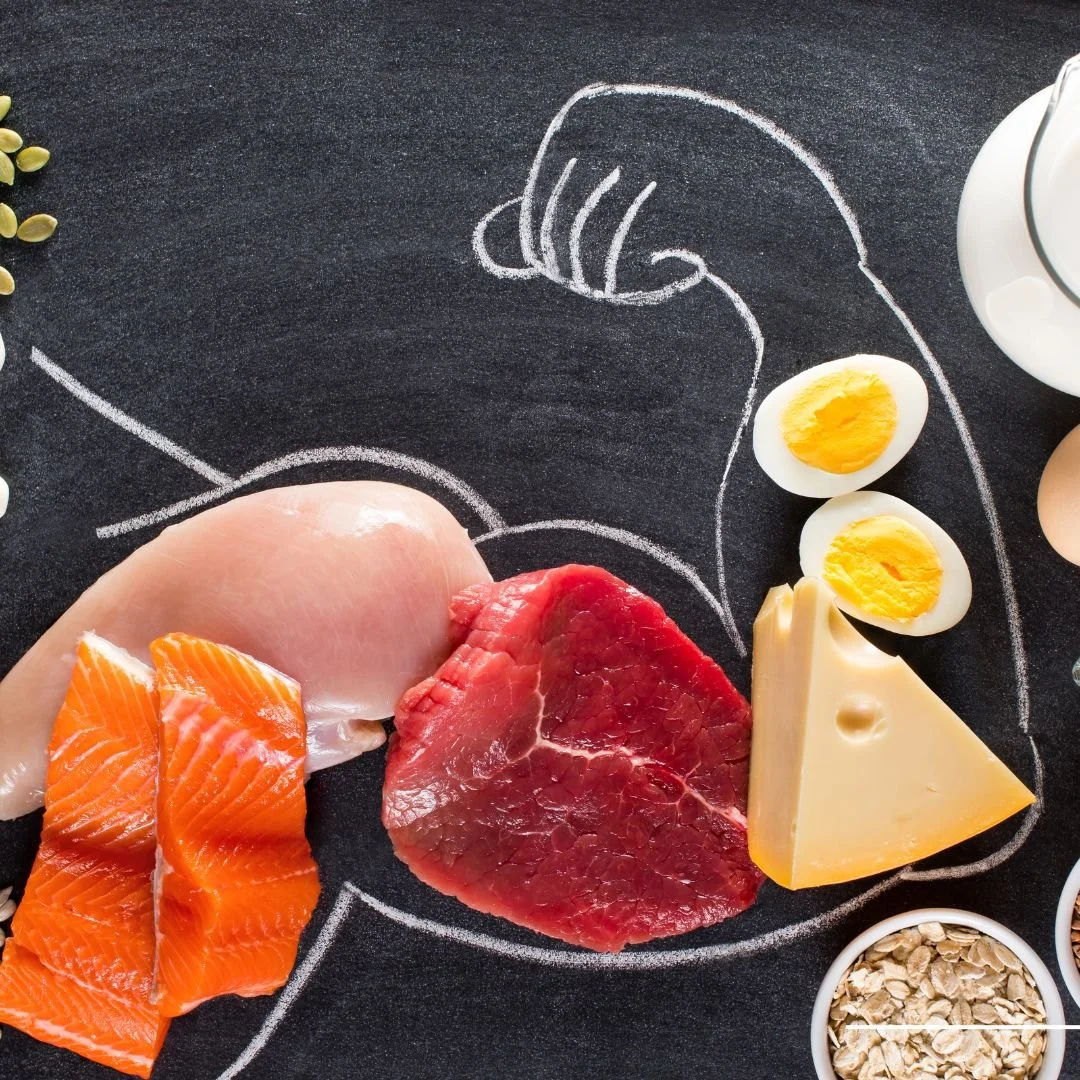
Most adults in the United States meet or exceed their daily protein requirements. The issue isn’t usually about not getting enough; it’s more about not realizing where protein comes from or how to incorporate it into your diet throughout the day for optimal benefits.
Two common patterns I see:
People don’t realize how many foods contain protein—not just meat, but grains, dairy, vegetables, legumes, nuts, and seeds.
They eat most of their protein in one meal, usually dinner.
How Much Protein Do You Need?
The current Recommended Dietary Allowance (RDA) for protein is: 0.8 grams per kilogram of body weight, or about 0.36 grams per pound of body weight.
This is the minimum needed to prevent deficiency in healthy adults, not necessarily the ideal amount for optimal health, strength, or performance.
Let’s use a 150-pound person as an example, with the minimum recommended intake: 150 x 0.36 = 54 grams of protein per day.
That’s not hard to hit, and most people exceed this without even trying. However, in certain situations, protein needs increase.
Who Might Need More Protein?
Some people may benefit from consuming more protein than the standard recommendations. Here are a few groups that might need closer to 1.2–2.0 grams per kilogram of body weight:
Older Adults: As we age, we naturally lose muscle mass, a condition known as sarcopenia, and our protein needs increase to help preserve strength and function. Aiming for 1.2–1.5 g/kg can be helpful.
Injury or Surgery Recovery: Healing and tissue repair require extra protein. Depending on the severity, the dose may be increased to 1.5–2.0 g/kg temporarily.
Athletes and Active Individuals: Training puts stress on the body that protein helps repair. Endurance athletes may need 1.2–1.4 g/kg, while strength athletes may need up to 2.0 g/kg.
Pregnancy and Breastfeeding: Protein supports fetal growth and milk production. Pregnant individuals need about 1.1 g/kg; needs go even higher while breastfeeding.
People with Chronic Illness or Inflammation: Conditions like cancer, chronic wounds, or inflammatory diseases may increase protein needs to support immune function and healing.
Bottom line: protein needs are individual. If you fall into one of these categories, calculate your needs or consult with a registered dietitian for personalized guidance.
Does the Body Only Use 25–35 Grams at a Time?
This was a widely held belief, but we now understand it’s not entirely accurate.
Yes, muscle protein synthesis —the process of building muscle —may reach its maximum at approximately 25–35 grams of protein per meal for most people. However, that doesn’t mean extra protein is “wasted.” Your body can still utilize it for various functions, including repair, immune support, enzyme production, hormone regulation, and more.
That said, it is beneficial to spread your protein intake throughout the day rather than consuming it all in one meal.
How to Distribute Protein Throughout the Day
Let’s go back to our example of someone aiming for 80 grams of protein per day:
Breakfast: Greek yogurt (20–24g)
Lunch: 3 oz chicken or tuna (20–22g) + whole grain bread + veggies (adds 4–6g)
Snack: Apple with 2 Tbsp peanut butter (~7g)
Dinner: 4 oz salmon (26g) + rice and broccoli (~8g combined)
This approach supports energy, muscle repair, and sustained fullness throughout the day, without the need for supplements.
Read more about various protein sources: Protein – Plant vs. Animal Sources: What You Need to Know
Do You Need a Protein Supplement?
In most cases, no.
Supplements can be helpful for convenience, such as after a workout when you can’t get to a meal, or for those with higher nutritional needs, like athletes or individuals recovering from illness or surgery. But they’re not required for the average person.
If you enjoy them and they fit into your routine, great. But if you think they’re essential just to hit your goals, think again.
Can You “Feel” When You Need Protein?
This one comes up a lot. People often say, “I feel like I need more protein,” or “I switched to a different protein powder and now I feel the difference.”
The truth is: there’s no internal sensor that tells you you’re low on protein. Cravings and perceived energy levels are more closely related to overall food intake, blood sugar fluctuations, and factors such as sleep and stress, rather than just protein.
If you’re eating a balanced, varied diet, your body is probably getting what it needs. And no, switching from one protein supplement to another likely doesn’t create a dramatic physiological change, despite how it might feel.
Bottom Line: Protein Isn’t as Complicated as It Seems
Getting enough protein doesn’t require complicated calculations, tons of meat, or fancy powders. It requires consistency, balance, and some awareness of where protein shows up in your meals.
Focus on:
Including a quality protein source with each meal and snack
Getting variety—from both animal and plant-based sources
Eating enough total calories to support your overall energy and health
Your body is smart. Feed it well throughout the day, and it’ll take care of the rest.
Real World Nutrition Refreshed: I am revitalizing and updating my archive of blogs and re-publishing them. Stay tuned as I review, update, refresh, and re-share these posts to provide you with even more valuable information on nutrition, health, and overall wellness—and keep things timely. A portion of this blog was initially posted on July 28, 2022, and is updated here.