
What Are Sources of Protein in the Diet?
What Are Sources of Protein in the Diet?
“What are sources of protein besides meat?”
When I ask this question, many people pause. Some give a blank stare. Others respond hesitantly with eggs, as if they are not quite sure that answer counts.
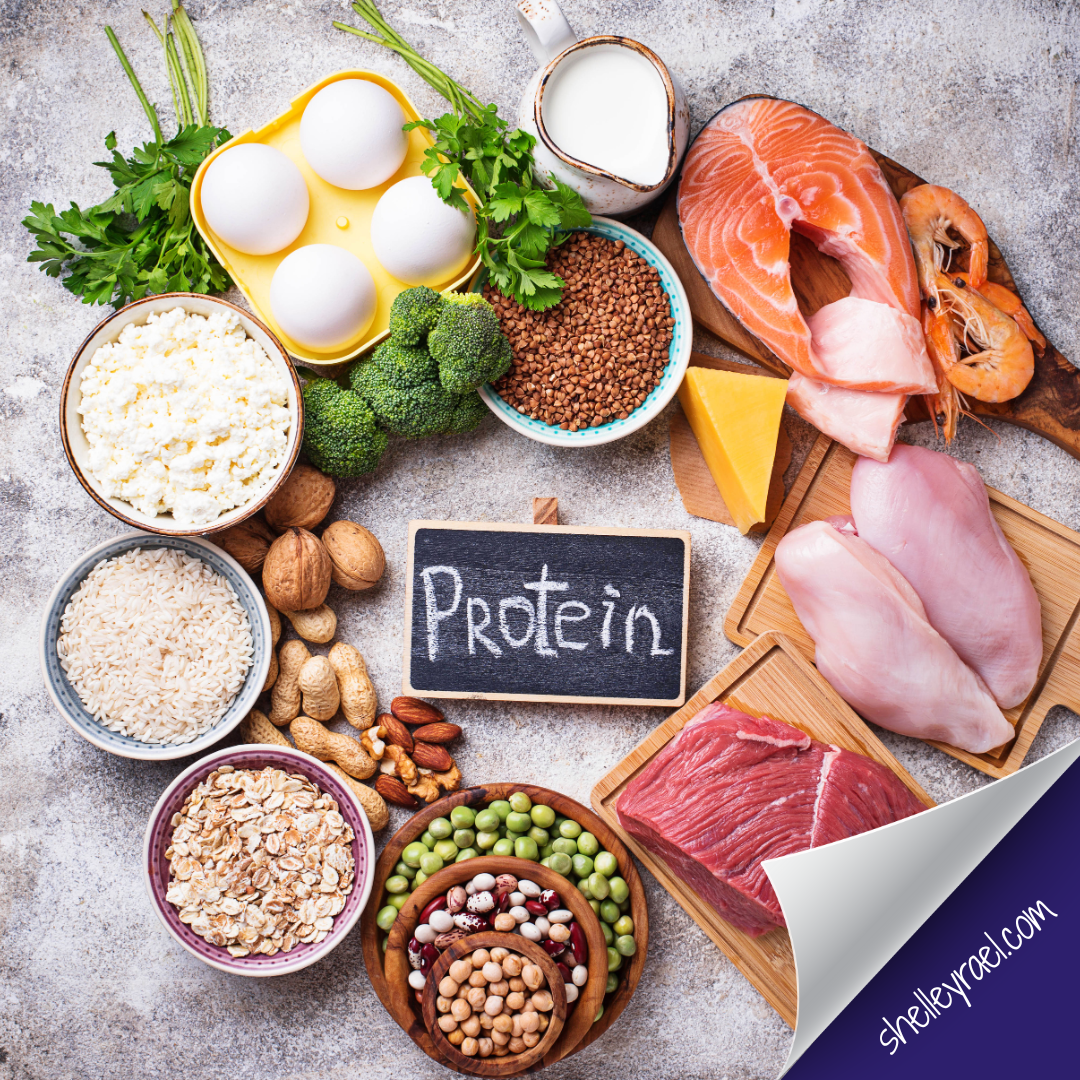
Protein is often thought of as “meat” and little else. And when I say meat, I am using that term broadly to include poultry, fish, and red meat. These foods are familiar protein sources, and yes, they are rich in protein. They are also complete proteins, meaning they contain all nine essential amino acids.
But they are far from the only sources of protein in the diet.
Even people who do not eat meat every day usually get enough protein. In fact, if someone tried to avoid protein entirely, it would be extremely difficult. Protein is found in nearly all foods. The only real exceptions are pure sugar and pure fats, and even butter contains a small amount of protein. Small amount.
Protein exists across all food groups.
That matters because protein intake is not just about one category of foods or one type of eating pattern. It is about the whole diet.
Protein Is Found in More Than the Protein Food Group
The Protein Foods group includes foods like eggs, meat, poultry, fish, beans, lentils, nuts, seeds, and soy products. These foods tend to be more concentrated sources of protein.
But protein is also present in grains, vegetables, dairy foods, and even fruit, though in smaller amounts.
Here are examples of protein content in a variety of foods:
4 grams in 1 cup of cooked white rice
6 grams in 1 cup of cooked oats
8 grams in 1 cup of cooked quinoa
4 grams in 1 cup of cooked broccoli
4 grams in 1 cup of cooked asparagus
4 grams in 1 cup of cooked sweet potato
1 gram in 1 cup of blueberries
1.4 grams in 1 cup of sliced peaches
Less than 0.5 gram in 1 cup of sliced apples
1 gram in 1 cup of unsweetened almond milk
8.5 grams in 1 cup of 1% percent milk
About 20 to 24 grams in 1 cup of plain Greek yogurt, depending on the brand
6 grams in 1 large egg
6 grams in 1 ounce of pistachios
8 grams in 2 tablespoons of peanut butter
15 grams in 1 cup cooked of pinto beans
About 30 grams in 4 ounces of tilapia
About 35 grams in 4 ounces of roasted skinless chicken breast
About 30 to 35 grams in 4 ounces of lean beef sirloin
This is not a list of all foods with protein, of course. It is simply a snapshot of how protein appears across many different foods.
While fruits and vegetables are not significant protein sources on their own, they still contribute to total intake. When protein is spread across meals and snacks, it adds up quickly.
Protein on Paper vs Protein on the Plate
You may also see comparisons online claiming that one food has as much or more protein than another when measured gram for gram. A common example is comparing 100 grams of broccoli to 100 grams of beef or chicken. Technically, these statements are usually true – I mean, I can’t verify all of them. However, on paper, broccoli does contain protein, and when standardized to the same weight, the numbers can appear pretty darn impressive.
The issue is not whether the math is correct. The issue is whether the comparison reflects how people actually eat. I mean, realistically, and will eat. One hundred grams of broccoli is roughly three and a half cups raw or about one and a half cups cooked. That is a large volume of food for most people to eat in one sitting. One hundred grams of beef or chicken, on the other hand, is about three and a half ounces cooked, which is a very common portion size at a meal. In fact, many people have more than that amount in a single sitting.
This is where efficiency and realism matter. While vegetables do provide protein, they are not typically eaten in sufficient quantities to serve as a primary protein source. Animal proteins and some plant proteins, such as beans, lentils, tofu, and yogurt, provide more protein in a smaller, more realistic portion. That does not make one food better than another. It simply highlights why context matters when comparing foods and why nutrition information needs to reflect real world eating, not just numbers on a chart.
Plant-Based and Animal-Based Proteins Both Count
Animal-based proteins are often complete proteins, which means they contain all essential amino acids. That fact is frequently used to imply that plant-based proteins are inferior. However, that conclusion does not hold up well in real-life eating patterns.
Plant based protein sources include beans, lentils, peas, soy foods, nuts, seeds, and whole grains. While many plant proteins are “incomplete” on their own, eating a variety of foods throughout the day easily meets amino acid needs.
This is not a new concept. The idea that plant proteins must be carefully combined at every meal is outdated. Variety across the day matters far more than precision, and potentially, obsession, at a single meal.
Both plant and animal protein sources can support health. Each comes with benefits and tradeoffs related to fiber, fat type, micronutrients, cost, access, and cultural preference.
Nutrition does not require choosing sides or adopting an all-or-nothing, one-or-the-other approach.
What Does Protein Do in the Body?
Protein often gets reduced to muscle building, but its role is much broader. I have to say, protein’s role in the body is like the working mom – it does way more than people realize, and it is often distilled down to a single role or two.
Protein is a structural component of tissues. It forms enzymes that drive chemical reactions, antibodies that support immune function, and hormones that regulate processes throughout the body. Protein also plays a role in maintaining fluid balance and acid-base balance.
Carbohydrate and fat cannot do what protein does.
However, it is important to note, especially for the low- or no-carb approach, that when carbohydrate intake is low, protein can also be used to produce glucose through a process called gluconeogenesis. This helps fuel the brain and other tissues that rely on glucose. That does not mean protein is an ideal primary fuel source, but it does mean the body has built-in flexibility. And, consider where that protein that is used for gluconeogenesis comes from…usually protein in the body.
Protein is essential, but it does not act in isolation.
Can You Get Too Much Protein?
Possibly, but the bigger issue is not toxicity or harm as much as it is displacement.
Very high protein intakes can crowd out other nutrients. Diets that emphasize protein at the expense of carbohydrates may fall short on fiber, energy, and certain micronutrients. Diets high in animal protein may also include higher amounts of saturated fat, depending on food choices.
This is where nuance matters.
The question is not whether protein is “good” or “bad.” The question is what the overall pattern looks like. Protein needs to fit into a diet that also provides carbohydrates, fats, fiber, vitamins, and minerals.
The Bigger Picture
Most people are already getting enough protein. What often needs more attention is distribution. Protein spread across meals tends to support satiety, muscle maintenance, and energy levels better than consuming most of it at one meal.
Protein also does not need to come from one source or one philosophy. It can come from animal foods, plant foods, or a mix of both.
When nutrition guidance or a diet trend becomes overly focused on a single nutrient, context gets lost. Protein matters, but it is only one piece of the diet. Not as the sole part of the diet.
The real work is not finding more protein. It is understanding how protein fits into real-world eating patterns, personal preferences, and long-term sustainability.
That is where nutrition actually becomes useful.
Real World Nutrition Refreshed: I am revitalizing and updating my blog archive and re-publishing it. Stay tuned as I review, update, refresh, and re-share these posts to provide you with even more valuable information on nutrition, health, and overall wellness—and keep things timely. A portion of this blog was initially posted in July 2022 and has been updated here.