
How to Reduce Food Waste at Home With Simple Steps
How to Reduce Food Waste at Home With Simple Steps
Reducing food waste often sounds like a big, overwhelming goal. For many, it suggests meal prep, strict planning, or never letting anything go to waste. An all-in-or-don’t-bother mentality.
Three Areas to Help Reduce Food Waste
Shopping: Buy With a Plan, Not Just a List
Storage: Set Your Kitchen Up to Use What You Have
Leftovers: Plan for Them Instead of Avoiding Them
That is not realistic.
Food waste happens in small, everyday ways. And reducing it works the same way. Small shifts that fit into your routine tend to be more effective than overhauling everything at once. This is true of nearly anything.
This is not about doing everything right. It is about doing a few things more intentionally.
Let’s consider three areas where most food waste occurs at home: shopping, storage, and leftovers.
Shopping: Buy With a Plan, Not Just a List
Most people know they should make a grocery list, but a list without context can still lead to overbuying.
A better approach is to shop with a plan.
Before heading to the store, take a quick look at what you already have. Not a full inventory. Just a simple check of the fridge, freezer, and pantry.
What needs to be used soon?
What do you already have that can be made into a meal?
Then build your shopping list around that.
This does not mean you cannot buy new items. In fact, most of the time you will still need to buy several things. It simply means you are not buying duplicates or letting food get pushed to the back of the pantry and neglected.
Another helpful shift is to buy for your actual schedule, not your ideal one.
If you have a busy week ahead, it might not be the time to buy a lot of fresh produce that requires prep. That does not mean skipping vegetables. It may mean choosing frozen or pre-cut options that are easier to prepare quickly.
It is also worth reconsidering bulk buying.
Buying in bulk can save money, but only if the food is used. Otherwise, it becomes expensive waste. For items you use regularly, especially non-perishables, it makes sense. For others, smaller quantities may be the better option, even if they cost more per unit, per pound, etc. Food that is thrown away does not save money.
Storage: Set Your Kitchen Up to Use What You Have
Sometimes, food waste is not about what we buy. It is about what we cannot see.
Food that is out of sight often goes unused.
A simple strategy is to make the most perishable items the most visible.
Keep items that need to be used soon at eye level in the fridge. Move longer-lasting items to the back or lower drawers.
Another helpful habit is grouping foods by purpose.
For example:
A container or section for “use soon” items
A shelf for leftovers
A consistent place for ready-to-eat snacks
This reduces the mental effort required to decide what to eat and increases the likelihood that food will be used. You may not think it takes much mental effort, but it happens more than it should.
Freezing is another underused tool.
Many people think of freezing as something you do with raw meat or packaged foods. But it works just as well for leftovers, cooked grains, bread, and even some dairy products (like shredded cheese).
If you know you will not use something in time, freezing it gives you flexibility.
Labeling helps here. Even a simple note with the date can make a difference. I use the zip-top bags with space for the date and item description. If I use a reusable container, a piece of tape with the information works well.
Leftovers: Plan for Them Instead of Avoiding Them
Leftovers tend to fall into two categories. Either people rely on them heavily, or they avoid them altogether.
In many cases, the issue is not the leftovers themselves. It is how they are used.
Instead of thinking of leftovers as “the same meal again,” think of them as ingredients.
For example:
Roasted vegetables can go into a wrap, salad, or grain bowl
Cooked chicken can become tacos, soup, or a quick stir-fry
Rice can be used for fried rice or added to soups
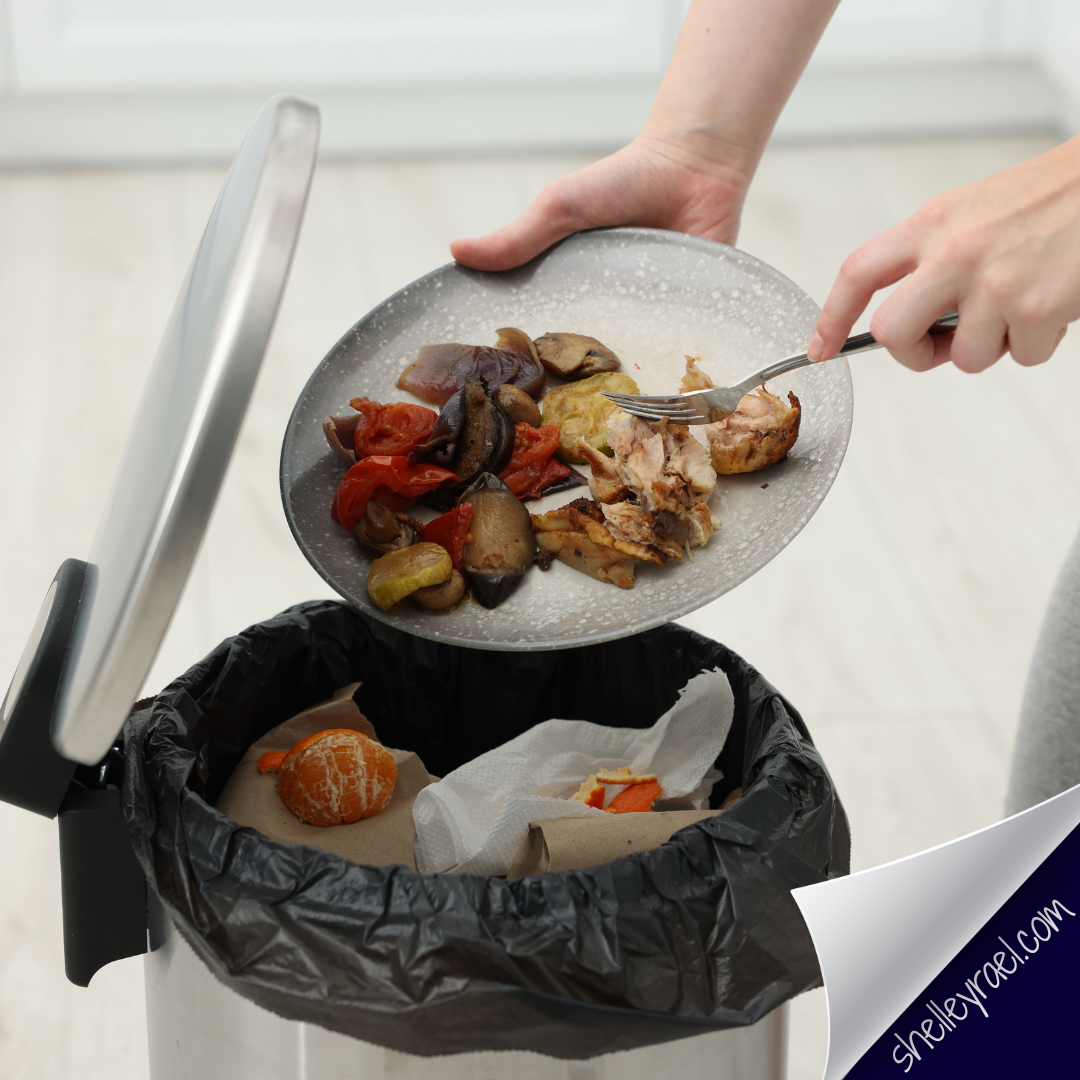
This shift makes leftovers more flexible and often more appealing.
Portioning also matters.
If large amounts of leftovers feel overwhelming, store them in smaller containers. That makes them easier to grab for lunch or a quick meal.
Another approach is to plan one meal each week specifically to use what is left.
This could be a “clean out the fridge” dinner, a soup, or a mixed-bowl meal. It does not have to be complex. It just needs to use what you already have.
A Few Additional Strategies That Make a Difference
Keep a running list of foods that tend to go to waste and adjust buying habits
Wash and prep produce soon after bringing it home, so it is easier to use
Store herbs properly to extend their life
Use smaller plates or prepare slightly less if food is consistently left uneaten
Be realistic about how often you will cook versus eat out
Key Takeaways
Reducing food waste at home does not require a complete system or major changes.
It comes down to awareness and a few consistent habits.
Check what you have before you shop.
Store food where you can see it and use it.
Treat leftovers as ingredients, not obligations.
Those small adjustments can go a long way in reducing waste, saving money, and making meals easier to manage.