
Going Vegan? What a Well-Planned Diet Needs
Vegetarian eating isn't one-size-fits-all. Some people eat less meat, while others eliminate meat, fish, dairy, eggs, and other animal-derived foods. And there are plenty of approaches in between.
People choose vegetarian and vegan eating patterns for different reasons. Health, animal welfare concerns, environmental considerations, cultural or religious practices, and personal preferences can all play a role. There isn't one reason, and there isn't one right way to approach it.
One thing I do want to make clear: A vegan diet can provide the nutrients your body needs, but it takes some planning. That doesn't mean it's impossible or necessarily difficult. Some people find the transition challenging, while others do just fine. The key is knowing what to include and which nutrients deserve a little more attention.
Vegan Diet FAQ
Can you get enough protein on a vegan diet?
Yes. Beans, lentils, peas, tofu, tempeh, edamame, nuts, seeds, and whole grains all provide protein. Eating a variety of these foods throughout the day can supply the essential amino acids your body needs.
Do vegans need to take vitamin B12?
Vegans need a reliable source of vitamin B12, which is not naturally found in unfortified plant foods. Fortified foods can provide B12, but check labels and include dependable sources regularly.
Is a vegan diet automatically healthier?
No. A vegan diet can be nutritious, but simply eliminating animal foods doesn't guarantee a healthy eating pattern. Food quality, variety, and overall nutrient intake still matter.
What is the difference between vegetarian and vegan?
Vegetarians generally avoid meat, poultry, and seafood but may eat eggs and dairy. Vegans avoid all foods of animal origin, including meat, fish, eggs, dairy, and honey.
Are vegan diets high in carbohydrates?
They can be, since many plant foods, including fruits, vegetables, beans, lentils, and whole grains, contain carbohydrates. That's not a bad thing. These foods also provide fiber, vitamins, minerals, and other beneficial nutrients.
Vegetarianism Is a Spectrum
When we talk about vegetarian eating, we're really talking about a range of dietary patterns.
Flexitarian: Primarily eats plant-based foods but occasionally includes meat, poultry, or fish. This is a flexible approach, not a strict vegetarian diet.
Pescatarian: Avoids meat and poultry but includes fish and seafood. Technically, this isn't vegetarian, but it's often included in discussions about plant-forward eating.
Lacto-ovo vegetarian: Avoids meat, poultry, and seafood but includes dairy products and eggs.
Lacto vegetarian: Includes dairy products but avoids meat, poultry, seafood, and eggs.
Ovo vegetarian: Includes eggs but avoids meat, poultry, seafood, and dairy products.
Vegan: Avoids all foods of animal origin, including meat, poultry, fish, seafood, eggs, dairy, and honey.
Veganism is the most restrictive of these eating patterns, not as a judgment, but simply because it eliminates the widest range of foods.
And yes, honey is included. Although bees produce honey, it is an animal-derived food, so it isn't considered vegan. Other ingredients people may not immediately recognize include gelatin, whey, casein, and some animal-derived food colorings or additives.
Some people who identify as vegan also extend that philosophy beyond food to clothing, personal care products, and other areas of daily life. For this post, however, I'm focusing on food choices and nutrition.
Can You Get Everything You Need From a Vegan Diet?
Yes, a well-planned vegan diet can provide adequate nutrition. The Academy of Nutrition and Dietetics' 2025 position paper recognizes that appropriately planned vegetarian and vegan eating patterns can be nutritionally adequate for adults and may offer health benefits.
But eliminating animal foods also means eliminating some convenient sources of certain nutrients. That's where planning comes in.
Nutrients That Deserve a Little More Attention
PROTEIN
Protein is often the first nutrient people ask about when discussing vegan diets. The good news is that plenty of plant-based protein sources exist.
Beans, lentils, peas, soybeans, tofu, tempeh, edamame, nuts, seeds, and whole grains all contribute protein. Seitan, made from wheat gluten, is another option.
You don't have to combine specific plant proteins at every meal to get all the essential amino acids. Eating a variety of protein-containing plant foods throughout the day can provide what your body needs. The important thing is to include meaningful protein sources regularly rather than relying on vegetables and grains alone.
VITAMIN B12
This is one nutrient I wouldn't overlook. Vitamin B12 is naturally found in animal foods, and unfortified plant foods are not reliable sources.
For someone following a vegan diet, fortified foods become especially important. These include some breakfast cereals, nutritional yeast, plant-based milks, and meat alternatives. Check the Nutrition Facts label because not all products contain added B12.
For B12, simply eating a wide variety of fruits, vegetables, and whole grains isn't enough. You need a dependable source of B12.
IRON
Plant foods contain non-heme iron, which isn't absorbed as efficiently as the heme iron found in meat. That doesn't mean you can't get enough, but food choices matter.
Good sources include lentils, beans, tofu, spinach, pumpkin seeds, and iron-fortified cereals and breads.
Here's a helpful tip: Pair iron-rich plant foods with foods containing vitamin C. For example, add tomatoes or bell peppers to a bean dish, serve citrus fruit with breakfast, or include strawberries with an iron-fortified cereal. Vitamin C helps your body absorb non-heme iron.
ZINC
Zinc supports immune function, wound healing, and many other bodily processes. Beans, lentils, nuts, seeds, and whole grains provide zinc.
One consideration is that phytates, naturally occurring compounds in many plant foods, can reduce zinc absorption. Soaking beans, grains, and seeds before cooking, along with using fermented foods, can help improve availability.
CALCIUM and VITAMIN D
Without dairy products, calcium needs some attention. Good options include calcium-fortified plant milks, calcium-set tofu, kale, bok choy, and broccoli. Not all plant-based milk alternatives are fortified, so check the label.
Vitamin D can be a little trickier because relatively few foods naturally contain it. Some plant milks, breakfast cereals, and other foods are fortified with vitamin D. UV-exposed mushrooms can also provide some vitamin D.
These nutrients work together to support bone health, so it's worth paying attention to both rather than assuming a plant-based diet automatically provides enough.
OMEGA-3 FATTY ACIDS
Omega-3 fats support heart health, brain function, and other processes. Plant sources of alpha-linolenic acid (ALA) include flaxseeds, chia seeds, hemp seeds, walnuts, and canola oil.
The body can convert ALA into the longer-chain omega-3 fats EPA and DHA, although that conversion is limited. Including ALA-rich foods regularly is a good starting point for a vegan eating pattern.
IODINE and CHOLINE
These two nutrients are often forgotten, but they're worth noting.
Iodine is needed for thyroid hormone production. Iodized salt is a practical food source, while seaweed also contains iodine. However, iodine levels in seaweed vary considerably, and some varieties, particularly kelp, can contain very high amounts.
Choline supports cell structure, nerve function, and other important processes. Soy foods, beans, nuts, wheat germ, and whole grains contribute choline.
What About All Those Carbs?
A vegan diet is often higher in carbohydrates than a typical omnivorous diet. That's not necessarily a bad thing.
Think about the foods that make up a plant-based eating pattern: fruits, vegetables, beans, lentils, peas, and whole grains. These foods naturally contain carbohydrates, and many are also excellent sources of dietary fiber.
Remember, you don't need to avoid carbohydrates. They provide energy, and fiber supports digestive health, helps manage blood glucose, and contributes to feeling satisfied after meals.
Of course, not all vegan foods are automatically nutritious. A diet made up mostly of refined grains, sweets, chips, and highly processed meat alternatives can still lack important nutrients. The overall food choices matter, just as they do with any other eating pattern.
Thinking About Eating More Plant-Based Foods?
If you're curious about vegetarian or vegan eating, you don't have to make a complete change overnight. Start by looking at what you currently eat and identifying a few ways to include more plant-based meals.
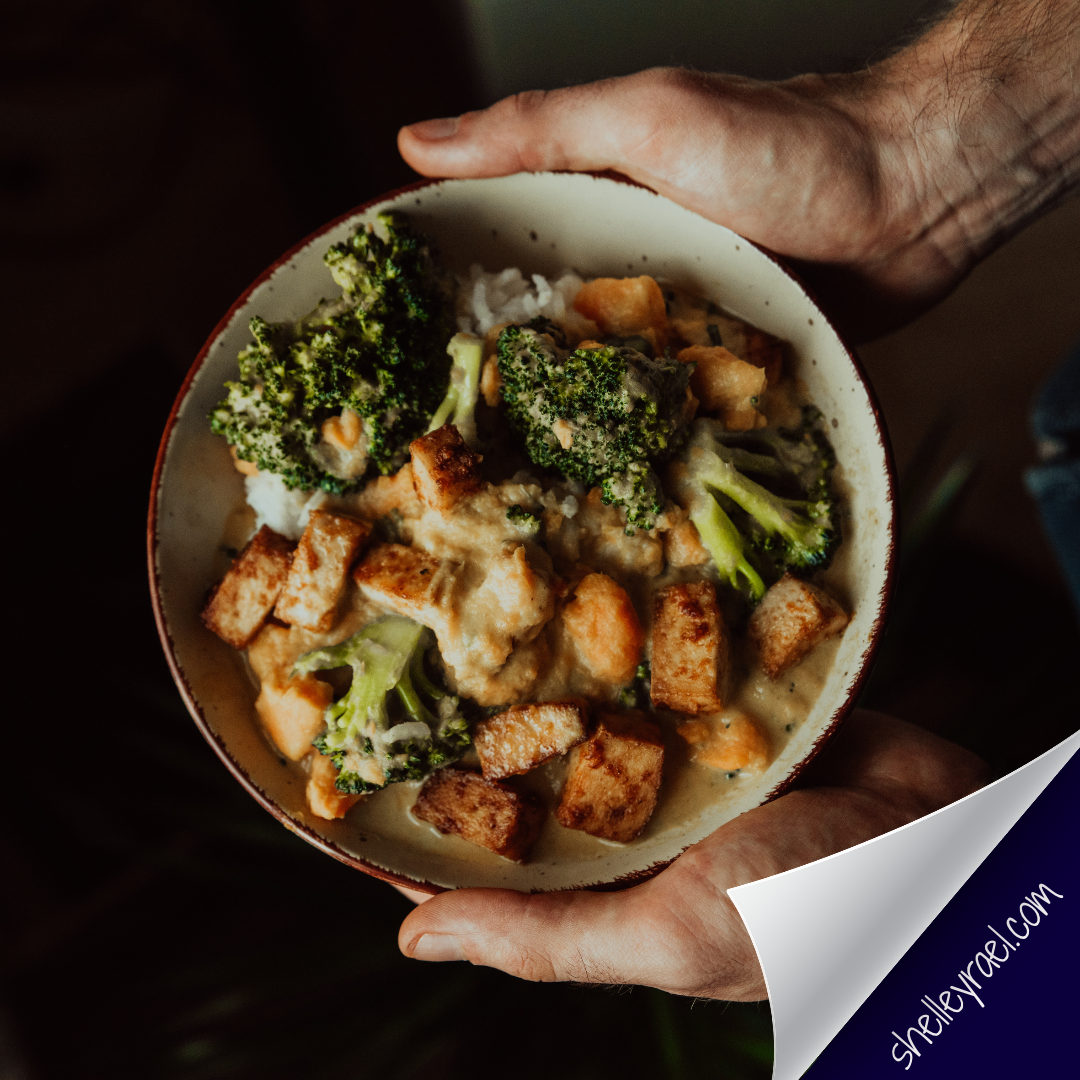
Try a lentil soup, a bean-based chili, a tofu stir-fry, or a grain bowl with vegetables and chickpeas. Experiment with different protein sources and find foods you actually enjoy.
You might start with one or two meatless meals each week and gradually increase from there. Pay attention to how you feel, what you enjoy, and what works with your schedule, budget, and food preferences.
And if you decide to follow a fully vegan diet, take the time to plan for the nutrients we've discussed, particularly vitamin B12. People who are pregnant, breastfeeding, or planning meals for children and teenagers have additional nutritional considerations and should work with a qualified health professional.
You don't have to follow a vegan diet to eat more beans, vegetables, fruits, whole grains, nuts, and seeds. Adding more plant-based foods can be a worthwhile choice regardless of where you fall on the vegetarian spectrum.
The bottom line: A well-planned vegan diet can meet nutritional needs, but it requires more attention to certain nutrients. It's not automatically healthier, and it's not automatically harder. Like any eating pattern, the quality and variety of the foods you choose make a difference.