
Honey: Is It Really Healthier Than Sugar?
Honey: Is It Really Healthier Than Sugar?
Honey has an impressive reputation.
It is natural. It comes from bees. It contains antioxidants. You may have heard that raw honey is better than regular honey, local honey can help with seasonal allergies, and Manuka honey is somehow in a category of its own. (Haven’t heard of Manuka honey? Keep reading!)
So, is honey a healthier sweetener, healthier than sugar?
The short answer is not really, at least not in the way that claim usually implies.
FAQs About Honey
Is honey healthier than sugar?
Not necessarily. Honey contains small amounts of compounds that table sugar does not, but it is still primarily a source of sugar and carbohydrates. Honey can be part of a healthy eating pattern, but you don't need to consider it healthier than other sweeteners.
Is raw honey healthier than regular honey?
Raw honey may retain more naturally occurring compounds because it undergoes less processing, but that doesn't make it significantly more nutritious. Both raw and processed honey are primarily sources of sugar.
Does local honey help with allergies?
There isn't good evidence that eating local honey prevents or treats seasonal allergies. The pollen that commonly triggers seasonal allergies is generally not the same pollen that bees collect to make honey, so local honey shouldn't be considered an allergy treatment.
Is Manuka honey worth the extra cost?
That depends on why you are buying it. Manuka honey has unique characteristics and has been studied for antimicrobial activity, particularly in medical-grade honey used for wound care. For everyday eating, however, it is still a sweetener, so there isn't a general nutritional reason that everyone needs to pay more for Manuka honey.
Is honey considered an added sugar?
Yes. Honey is considered an added sugar when it is added to foods or beverages during processing, preparation, or at the table. Even though honey occurs naturally and is less processed than some other sweeteners, it still adds sugar to the diet.
Can you eat honey every day?
Yes. If you enjoy honey, you can include it regularly as part of an overall healthy eating pattern. The important thing is your overall diet, not whether you occasionally add honey to oatmeal, yogurt, tea, toast, or another food.
Honey can absolutely be part of a healthy eating pattern. If you enjoy it, there is no reason to avoid it simply because it contains sugar.
But honey doesn't really get the health halo people give it, either.
What exactly is honey?
A review of what honey is.
Honeybees make honey from flower nectar. Bees collect the nectar, transform it with enzymes, reduce its water content, and store it in honeycomb, where it becomes the sweet, thick food we know as honey.
Most of honey is carbohydrate, primarily in the form of sugars. It also contains small amounts of water, organic acids, proteins, enzymes, minerals, vitamins, and other compounds. And when I say small amounts, I mean small. The exact composition varies depending on the flowers the bees visited, where the honey was produced, and how it was processed.
That last part is important.
Honey is certainly more chemically complex than table sugar. But more complex does not automatically mean more nutritious in a meaningful dietary sense.
Honey versus table sugar
Table sugar is sucrose. Sucrose is a disaccharide made from one molecule of glucose and one molecule of fructose.
Honey contains a mixture of sugars, with fructose and glucose making up much of its carbohydrate content, along with smaller amounts of other sugars.
So when someone says, "Honey is healthier because it isn’t the same is sugar,” that is a weak argument because, sure, it isn’t the same, but that doesn’t mean it’s better.
Fructose and glucose are sugars.
And table sugar ultimately provides those same two simple sugars when the body digests sucrose. Again, sugar (sucrose) is 50% glucose and 50% fructose.
Other sweeteners have their own sugar profiles, too. Maple syrup is primarily sucrose, while agave syrup tends to contain a higher proportion of fructose (an average of 80-85%) . High-fructose corn syrup contains varying proportions of glucose and fructose (generally, 45% glucose and 55% fructose).
The chemistry is different from one sweetener to another, but they are all concentrated sources of sugar.
What about calories and carbohydrates?
A tablespoon of honey provides about 60 calories and 17 grams of carbohydrate, essentially all of it from sugars.
A tablespoon of granulated sugar provides roughly 50 calories and about 13 grams of carbohydrate.
So, gram for gram, honey and table sugar are fairly similar in their overall role in the diet. Honey is a little less calorie-dense by weight than sugar because it contains water, but a tablespoon of honey actually contains more carbohydrate and calories than a tablespoon of granulated sugar.
That doesn't make honey a problem. It just means that swapping sugar for honey isn't automatically a major nutritional upgrade.
But honey contains vitamins, minerals, and antioxidants
Yes, it does.
Honey contains trace amounts of minerals, vitamins, phenolic compounds, flavonoids, enzymes, and other bioactive compounds. The amounts vary considerably depending on the type and source of honey.
This is where the health claims can get ahead of the nutrition facts.
Those compounds are interesting. Researchers study them for good reason. But honey is not a significant source of vitamins or minerals the way fruits, vegetables, whole grains, nuts, seeds, dairy foods, or legumes are.
You would have to eat a considerable amount of honey, like nearly one cup, to obtain measurable or meaningful amounts of many of those nutrients, and doing so would also mean consuming a considerable amount of sugar.
So yes, honey contains some beneficial compounds.
No, that doesn't mean you should eat more honey to get them.
Is raw honey better?
"Raw honey" certainly sounds healthier.
The USDA describes raw honey as honey as it exists in the hive or as obtained by extraction, without filtration. Raw honey may contain pollen, fine particles, propolis, and other materials naturally found in honey.
Some people prefer raw honey because it is less processed and may retain more of certain compounds that processing and heat can affect.
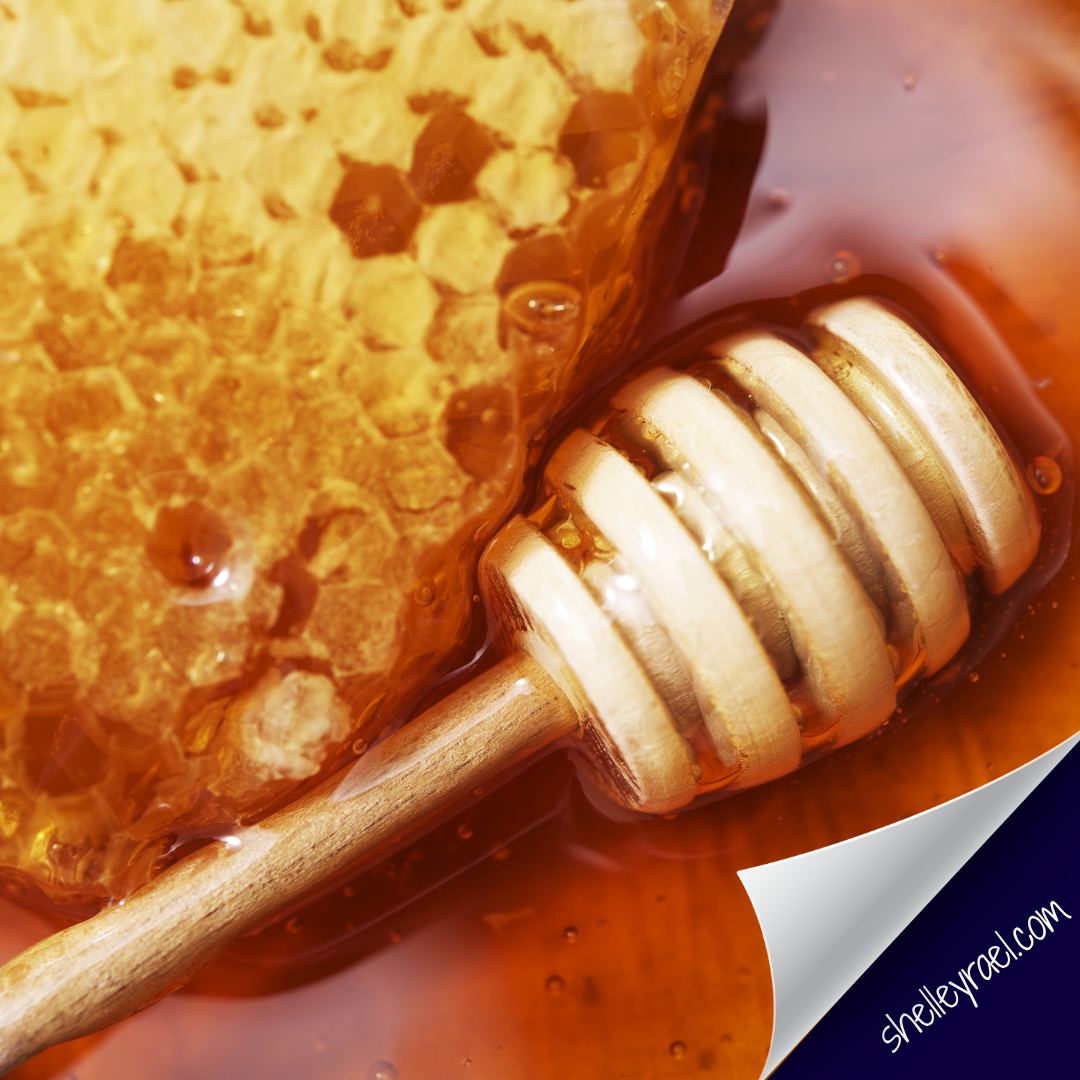
But that doesn't make raw honey a superfood.
Raw honey is still primarily sugar.
Another important point: raw honey is not safe for infants younger than 12 months. Honey can contain spores that can cause infant botulism, so the CDC recommends avoiding honey for children under one year of age.
For everyone else, whether you prefer raw, filtered, local, or another type of honey can largely come down to taste, texture, availability, and personal preference.
Can local honey help with allergies?
This is one of those claims that sounds logical.
The idea is that bees collect pollen locally, that pollen ends up in honey, and eating small amounts of that pollen might gradually expose you to the allergens causing your seasonal symptoms.
Unfortunately, the evidence doesn't support using local honey to treat allergies.
The American Academy of Allergy, Asthma & Immunology specifically addresses the claim that local honey can treat allergies and includes it among common allergy myths.
That doesn't mean you shouldn't buy local honey.
Buy it because you like it. Support a local beekeeper. Enjoy the flavor differences between honeys from different plants.
Just don't rely on it as an allergy treatment. And, let’s face it, the placebo effect is real. So if people think it helps, maybe it does.
What about Manuka honey?
Manuka honey really is interesting.
Manuka honey comes from bees that collect nectar from the Manuka plant, which is associated with New Zealand. It contains compounds, including methylglyoxal, that contribute to antimicrobial activity.
Legitimate research exists on Manuka honey, particularly its use in wound care. Some wound-management settings use medical-grade honey products, and research continues to evaluate their effectiveness.
But this is where we need to separate medical-grade honey used in wound care from the jar of expensive Manuka honey you might put in your tea.
Manuka honey is still a sweetener when you eat it.
Just because a type of honey has purported powerful antimicrobial properties doesn't mean eating a spoonful provides the same benefits as using a regulated, medical-grade honey product for a specific wound-care purpose.
So, is Manuka honey special?
Chemically, yes, it has characteristics that distinguish it from many other honeys.
Does that mean everyone needs to eat it for better health?
No.
Natural does not automatically mean healthier
This may be the biggest takeaway.
"Natural" is a description, not a nutrition grade.
Honey is natural.
So are plenty of foods that aren't particularly nutrient-dense.
And something being processed doesn't automatically make it unhealthy, either. Processing can change a food, but "processed" and "unhealthy" are not synonyms.
When evaluating a food, I would rather look at what it actually contains, how much you eat, how it fits into your overall eating pattern, and whether it helps you enjoy food while meeting your nutritional needs.
That's much more useful than asking whether something has a natural-sounding label.
So, how should you actually use honey?
If you like honey, use it.
Put some in your oatmeal. Squeeze it over yogurt and fruit. Use it in a salad dressing or marinade. Add it to tea. Bake with it. Put a little on toast.
You don't need to replace every other sweetener with honey.
You also don't need to avoid honey because it is "just sugar."
It is a sweetener, and like other sources of added sugar, it makes sense to use it in reasonable amounts within an overall eating pattern. The FDA includes honey among the sources of added sugars and notes that added sugars can fit within a healthy dietary pattern when consumed in moderation.
And sometimes the best reason to choose honey is simply that you like the flavor.
That's enough.
Honey can be part of a healthy eating pattern, but it doesn't need a health halo.
It is delicious, interesting, and culturally meaningful. It can contain compounds that researchers find fascinating. Some varieties have unique characteristics and legitimate uses. And I like just trying different varieties for their little flavor differences.
But you don't need to turn honey into a health food to justify eating it.
Sometimes a sweetener is just a sweetener.
And that's okay.
Sources and Further Reading:
Chronic Disease Prevention: What You Can Influence and What You Can't
AAAAI – American Academy of Allergy, Asthma, and Immunology Myths in Allergic Diseases
CDC Centers for Disease Control and Prevention: Infant and Toddler Nutrition
NIH National Library of Medicine
Clinical and Postoperative Applications of Manuka Honey in Wound Healing: An Evidence-Based Review. PMID: 42117760; PMCID: PMC13163150.
Neurological effects of honey: current and future prospects.PMID: 24876885; PMCID: PMC4020454.
Physicochemical Properties, Minerals, Trace Elements, and Heavy Metals in Honey of Different Origins: A Comprehensive Review. PMID: 33371579.
U.S. Department of Agriculture (USDA) Commercial Item Description Honey
U.S. Food and Drug Administration (FDA)