
Processed Meats: What They Are and What Actually Makes Them a Concern
Processed Meats: What They Are and What Actually Makes Them a Concern
Following the discussion of red meat in my last post, the next logical step is to discuss processed meats.
Because just like red meat, this is another area where the conversation tends to swing to extremes, from fear-based that a single hot dog will do you in to an “I don’t care, we will all die sometime” attitude.
Most people agree that processed meats are not something to emphasize. But does that mean they need to be completely avoided?
Not necessarily. It is somewhere in the middle.
What Is Processed Meat?
Processed meat refers to meat that has been preserved or modified to enhance flavor or extend shelf life.
This typically involves methods such as:
Curing
Smoking
Salting
Fermenting
Adding preservatives
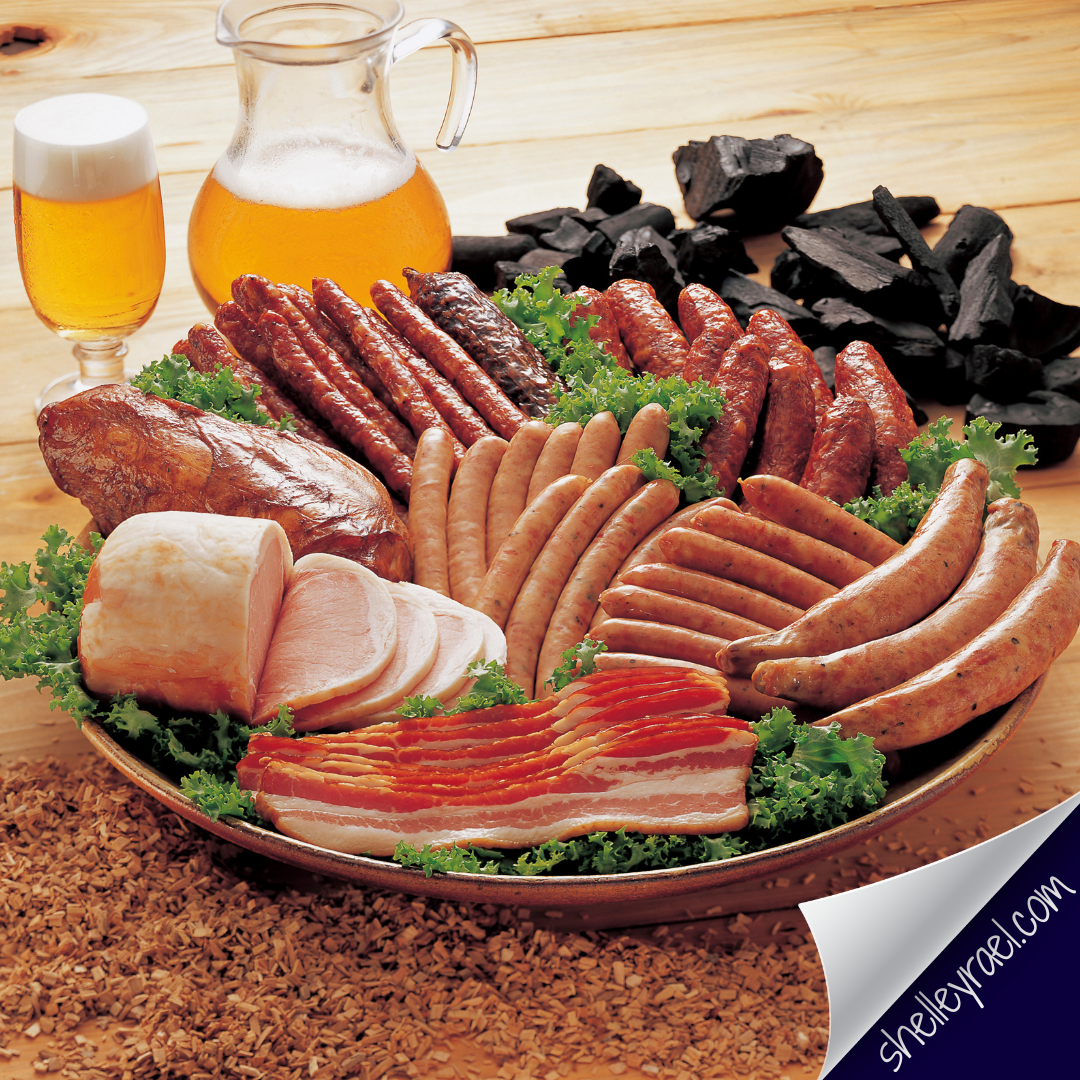
Common examples include:
Bacon
Sausage
Hot dogs
Deli meats
Ham
Pepperoni
Salami
These can come from beef, pork, poultry, or other meats. The key factor is not the animal source, but the processing method.
Are Deli Meats Like Turkey, Ham, and Roast Beef “Processed” Meats?
In most cases, yes.
Deli meats such as turkey, ham, roast beef, and chicken are typically considered processed meats because they have been preserved or otherwise modified. This can include curing, smoking, adding sodium, or using preservatives to extend shelf life.
Even options labeled as “natural” or “no nitrates added” are often still processed, just using different ingredients to achieve a similar result.
That said, not all deli meats are the same.
Some are more heavily processed than others, while some may have fewer additives or lower sodium content. Freshly sliced meats with minimal ingredients may be a different choice compared to highly processed packaged versions.
As with other processed meats, the key factor is how often and how much they are included in your overall eating pattern.
What About “Natural” or “Uncured” Meats?
This is where things can get confusing.
Products labeled as “natural” or “uncured” often still go through a curing process. The difference is the source of the preservatives.
Instead of synthetic nitrates or nitrites, they may use ingredients like celery powder or beet juice, which naturally contain nitrates.
From a chemical standpoint, your body processes these compounds in a similar way.
So while the label may sound different, it does not necessarily mean the product behaves significantly differently in the body. If they act the same on the body, the final outcome is the same.
Nitrates, Nitrites, and Why They Matter
Nitrates and nitrites are used in processed meats for preservation, color, and flavor.
Under certain conditions, these compounds can form substances called nitrosamines, which have been linked to cancer risk.
This is one of the reasons processed meats are often discussed in relation to health concerns.
It is also important to note that nitrates are not inherently harmful. They are found naturally in many foods, including vegetables like spinach and beets.
The difference lies in the context – what kind of food are these nitrates coming from?
Vegetables contain compounds like vitamin C and other antioxidants that can inhibit the formation of harmful byproducts. Processed meats do not offer that same protective effect.
What Does It Mean That Processed Meat Is a “Carcinogen”?
The World Health Organization has classified processed meat as a Group 1 carcinogen.
This classification is based on the strength of evidence that there is a link between processed meat consumption and cancer, particularly colorectal cancer.
It is important to understand what this does and does not mean.
It means:
There is strong evidence of an association
It does not mean:
That eating processed meat will cause cancer in every individual
That the level of risk is the same as other substances in this category
That any amount is harmful
Risk is influenced by how much and how often these foods are consumed, as well as by overall dietary patterns and lifestyle factors.
What Does the Evidence Say About Health?
Higher intake of processed meats has been associated with:
Increased risk of colorectal cancer
Higher risk of cardiovascular disease
Possible links to type 2 diabetes
These associations are generally observed at higher intake levels over time.
At the same time, processed meats are not a significant source of many nutrients compared with less-processed protein options.
Are Plant-Based or Vegetarian Versions Better?
Plant-based alternatives to processed meats have become more common.
They may have lower levels of certain compounds associated with processed meats, but they are still processed foods.
Some may be high in sodium or contain other additives.
So while they can be an option, they are not automatically a “health” food.
Again, it’s all about context.
Evidence-Based Intake Guidance
Most health organizations recommend limiting (not necessarily eliminating) processed meat intake.
There is no universal number that applies to everyone, but guidance generally suggests:
Eating processed meats occasionally rather than regularly
Keeping portions smaller when included
The emphasis is on reducing frequency rather than eliminating it entirely.
Pattern Over Individual Foods
This is where the bigger picture comes in.
A single food does not determine your health.
A single meal does not determine your health.
What matters is the overall pattern.
A diet that includes occasional processed meats alongside a variety of nutrient-dense foods is very different from a pattern where processed meats are a regular staple.
Does It Have to Be All or Nothing?
No.
This is where things often go off track.
It does not have to be complete avoidance or unrestricted intake.
Processed meats can fit into a balanced pattern, but they are not something to rely on regularly.
Thinking in terms of frequency and context is more helpful than labeling foods as completely off-limits.
Key Takeaways
Processed meats are meats that have been preserved or modified through curing, smoking, salting, or other methods.
They are classified as a carcinogen based on strong evidence of an association with certain cancers, particularly colorectal cancer.
This classification reflects the strength of evidence, not the level of risk in any single instance.
“Natural” or “uncured” products often use different sources of nitrates, but this does not necessarily change how they function in the body.
Higher intake over time is associated with increased health risks, including cancer and cardiovascular disease.
They can be included occasionally, but they are not a food to emphasize in a regular eating pattern.
As with most aspects of nutrition, the overall pattern matters more than any single food.
Read More:
American Institute for Cancer Research (AICR) AICR Food Facts: Processed Meat (Sausages, Ham, Bacon, Hot Dogs, Salami)
American Cancer Society Red and Processed Meat and Cancer
NIH National Cancer Institute Cancer Trends and Progress Report
World Health Organization (WHO) Cancer: Carcinogenicity of the consumption of red meat and processed meat