Red Meat and Health: How Much Is Too Much?
Red Meat and Health: How Much Is Too Much?
Few nutrition topics create as much debate as red meat.
On one side, there are those who avoid it completely and point to links with cancer and heart disease. On the other, there are people who build their entire diet around it and view it as one of the most nutrient-dense foods available.
So where does that leave the rest of us?
Like most things in nutrition, the answer is not all or nothing.
What Is Red Meat?
Red meat refers to meat that comes from mammals and is typically higher in myoglobin, which gives it a darker color.
This includes:
Beef
Pork
Lamb
Veal
Goat
Venison
Elk
Bison
And yes, pork is red meat.
The idea that pork is “the other white meat” came from a marketing campaign, not from its nutritional classification.
Is Red Meat Bad for You?
Not necessarily.
Red meat can be part of a healthy eating pattern. It provides protein, iron, vitamin B12, and other nutrients that support overall health.
At the same time, higher intake, especially over time, has been associated with increased risk of certain conditions like heart disease and some cancers.
That does not mean it needs to be avoided completely.
It means context matters.
How much you eat, how often you eat it, the type of red meat you choose, and what the rest of your diet looks like all play a role.
For most people, including moderate amounts of red meat alongside a variety of other protein sources can fit into a balanced approach.
Not All Red Meat Is the Same
One of the biggest oversimplifications in this conversation is treating all red meat as identical.
It is not.
There are leaner cuts and higher-fat cuts, and that can make a difference in overall nutrient intake.
Examples of leaner options:
Sirloin
Tenderloin
Eye of round
Pork loin
Higher-fat options:
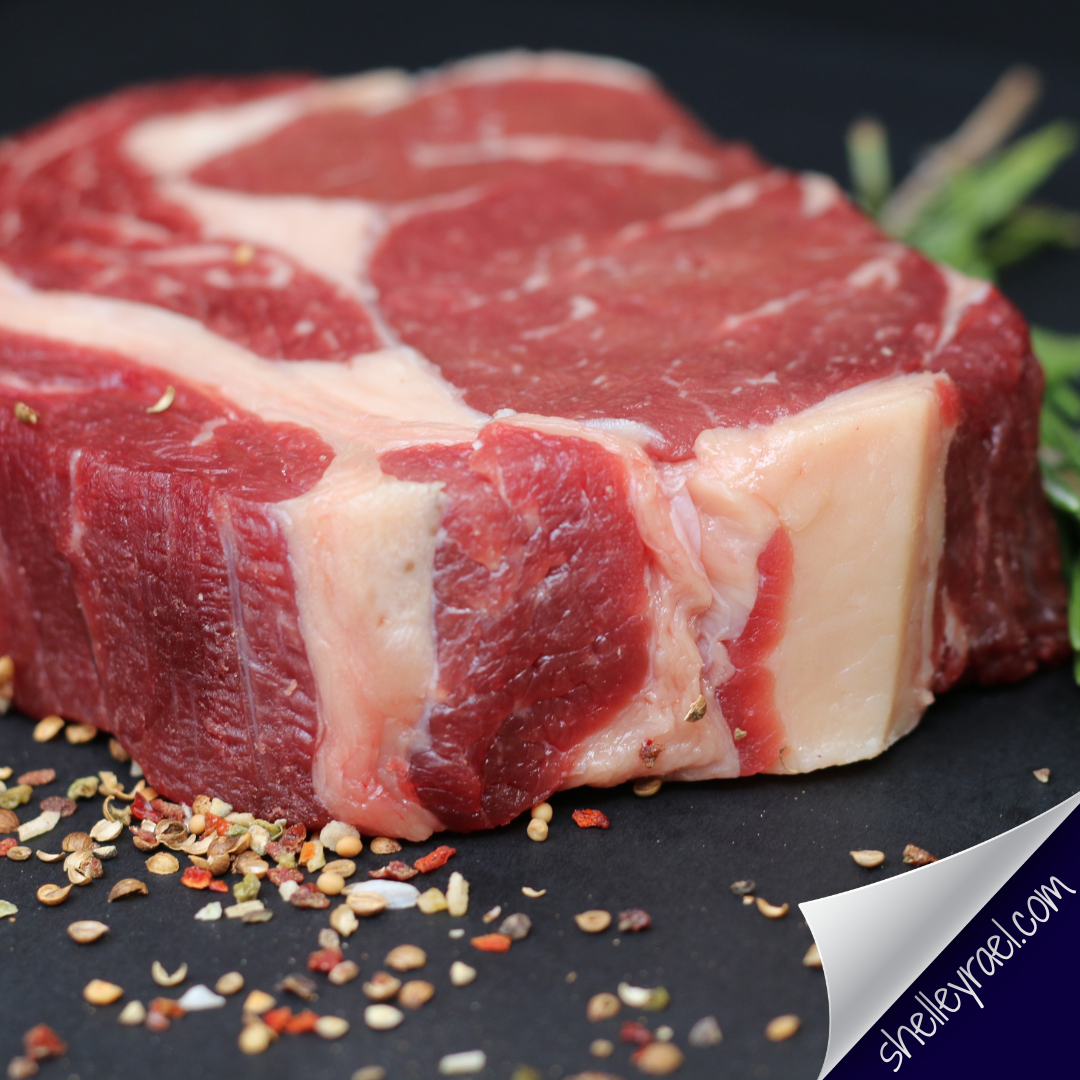
Ribeye
T-bone
Ground beef with higher fat percentages
Processed cuts like sausage and bacon
Preparation also matters. Grilling, frying, portion size, and what the meat is served with all contribute to the overall impact.
What Does the Evidence Say?
This is where things tend to get misunderstood.
Cancer Risk
Organizations like the World Health Organization have classified processed meats as carcinogenic and red meat as “probably carcinogenic.”
That classification is based on the strength of evidence, not the level of risk.
In other words, it means there is evidence of an association, not that eating red meat guarantees cancer.
The increased risk is generally associated with higher intake over time, particularly with processed meats, which will be covered in more detail in the next post.
Heart Disease
Red meat, especially higher-fat cuts, can contribute to higher saturated fat intake, which is associated with increased LDL cholesterol levels.
But again, context matters.
A diet high in red meat and low in fruits, vegetables, and fiber is very different from a diet that includes moderate amounts of lean red meat within an otherwise balanced pattern.
Other Conditions
Red meat intake has also been associated with:
Increased risk of gout due to purine content
Potential links to type 2 diabetes when consumed in higher amounts, particularly processed forms
At the same time, red meat provides:
High-quality protein
Iron, including heme iron, which is more easily absorbed
Vitamin B12
Zinc
So it is not simply a “good” or “bad” food.
What Does “Carcinogen” Actually Mean?
This is an area where a lot of confusion happens.
When something is labeled as a carcinogen, it means there is evidence that it can contribute to cancer under certain conditions.
It does not mean:
That it causes cancer in everyone
That any amount is harmful
That the level of risk is the same as other carcinogens
Risk is dose-dependent and influenced by overall patterns.
What About Different Dietary Approaches?
This is where the conversation often becomes polarized.
Vegetarian Patterns
People who avoid red meat often have lower rates of certain chronic diseases. But those patterns usually include higher intake of plant-based foods, fiber, and other nutrients.
It is not just the absence of red meat. It is the overall pattern.
Carnivore Patterns
There are individuals who consume very high amounts of red meat and report feeling well.
Long-term data on these patterns is limited. Individual experiences do not always reflect broader population outcomes.
Most People Are Somewhere in Between
For most people, the question is not whether to eat red meat or avoid it entirely.
It is how much, how often, and in what context.
Evidence-Based Intake Ranges
Most dietary guidance suggests limiting red meat intake rather than eliminating it.
For example, patterns associated with health outcomes often include:
Moderate portions
Leaner cuts
Less frequent intake compared to plant-based foods and other protein sources
There is no single number that applies to everyone, but many recommendations fall in the range of a few servings per week rather than daily high intake.
Pattern Over Individual Foods
This is where things come back to the bigger picture.
Red meat eaten occasionally as part of a balanced diet is very different from red meat consumed in large amounts alongside highly processed foods and low intake of plant-based foods.
The overall pattern matters more than any single food.
So… How Much Is Too Much?
That depends on the rest of your diet, your health status, and your overall lifestyle.
Instead of focusing on extremes, it is more useful to think in terms of:
Frequency
Portion size
Variety in protein sources
Including fish, poultry, beans, lentils, and other options alongside red meat can help create a more balanced pattern.
Key Takeaways
Red meat is not a simple yes-or-no when it comes to health.
It is a source of important nutrients, but higher intake, especially over time, is associated with increased risk of certain conditions.
Not all red meat is the same. Leaner cuts and preparation methods matter.
The classification of red meat as “probably carcinogenic” reflects evidence of association, not certainty or immediate risk.
Dietary patterns that include a variety of foods, including plant-based options, tend to be associated with better health outcomes.
You do not need to eliminate red meat to have a healthy diet. But it also doesn't need to be emphasized in large amounts.
As with most things in nutrition, the answer lies in balance over time.
Read More:
American Cancer Society Red and Processed Meat and Cancer
World Health Organization Cancer: Carcinogenicity of the consumption of red meat and processed meat
NIH National Cancer Institute Cancer Trends Progress Report: Red Meat and Processed Meat Consumption
NIH National Library of Medicine National Center for Biotechnology Information Comprehensive Review of Red Meat Consumption and the Risk of Cancer PMCID: PMC10577092 PMID: 37849565