
Are Olives a Healthy Food?
Are Olives a Healthy Food?
Olive oil tends to get most of the attention when talking about oils and fats.
It is often highlighted as one of the healthier fats to include in your diet, especially in patterns like the Mediterranean approach. But what about olives themselves?
They do not seem to get nearly the same level of recognition.
For some people, olives are a regular part of meals. For others, they show up occasionally on a salad, pizza, or charcuterie board. Maybe even a martini. And for many, preferences vary quite a bit by type. Green, black, kalamata, stuffed, plain. There are a lot of options.
So where do olives fit in when it comes to nutrition?
What Are Olives, Exactly?
Olives are a fruit.
That sometimes surprises people, since they are not sweet and are often used more like a savory addition to meals.
There are some key differences between types:
Green olives are harvested before they are fully ripe
Black olives are fully ripened
Kalamata olives are typically cured in a brine that may include vinegar or wine
Fresh olives right off the tree are very bitter. They need to be cured or brined to make them palatable. That process is what gives olives their distinctive flavor and also contributes to their sodium content.
I Thought Olives Were a Fat. So, Why Are They Called a Fruit?
It comes down to how foods are classified.
Botanically, olives are a fruit because they grow from the flower of the olive tree and contain a seed, similar to peaches or cherries.
Nutritionally, we often think of foods in terms of what they provide. Olives are mostly fat, specifically monounsaturated fat, so they are often grouped with foods like oils, nuts, and avocados.
Both are correct.
They are a fruit by definition, but in everyday nutrition conversations, they are often considered a source of fat because of their nutrient profile.
What Nutrients Do Olives Provide?
Olives are primarily a source of fat, specifically monounsaturated fat. This is the same type of fat that is found in olive oil and is associated with heart health when included as part of an overall balanced eating pattern.
They also contain:
Small amounts of fiber
Vitamin E
Various plant compounds
However, the amount of these nutrients depends on how many olives you eat.
So, let’s get some perspective.
Nutrition information is often listed per 100 grams, which is a much larger portion than most people eat at one time. That would be around 35 to 40 olives, depending on the size.
A more typical serving might be closer to 4-8 olives.
At that amount, you are getting:
A small amount of calories
A small amount of fat
A little bit of fiber
Some vitamin E
A noticeable amount of sodium
And that last point is worth noting.
What About Sodium?
Because olives are brined, they tend to be higher in sodium.
For someone who occasionally eats a small portion, this is usually not a major concern.
But if olives are eaten frequently or in larger amounts, the sodium can add up.
This does not mean olives need to be avoided. It just means they are one piece of the overall picture regarding sodium intake.
Are Olives “Healthy”?
This is where the answer is not a simple yes or no.
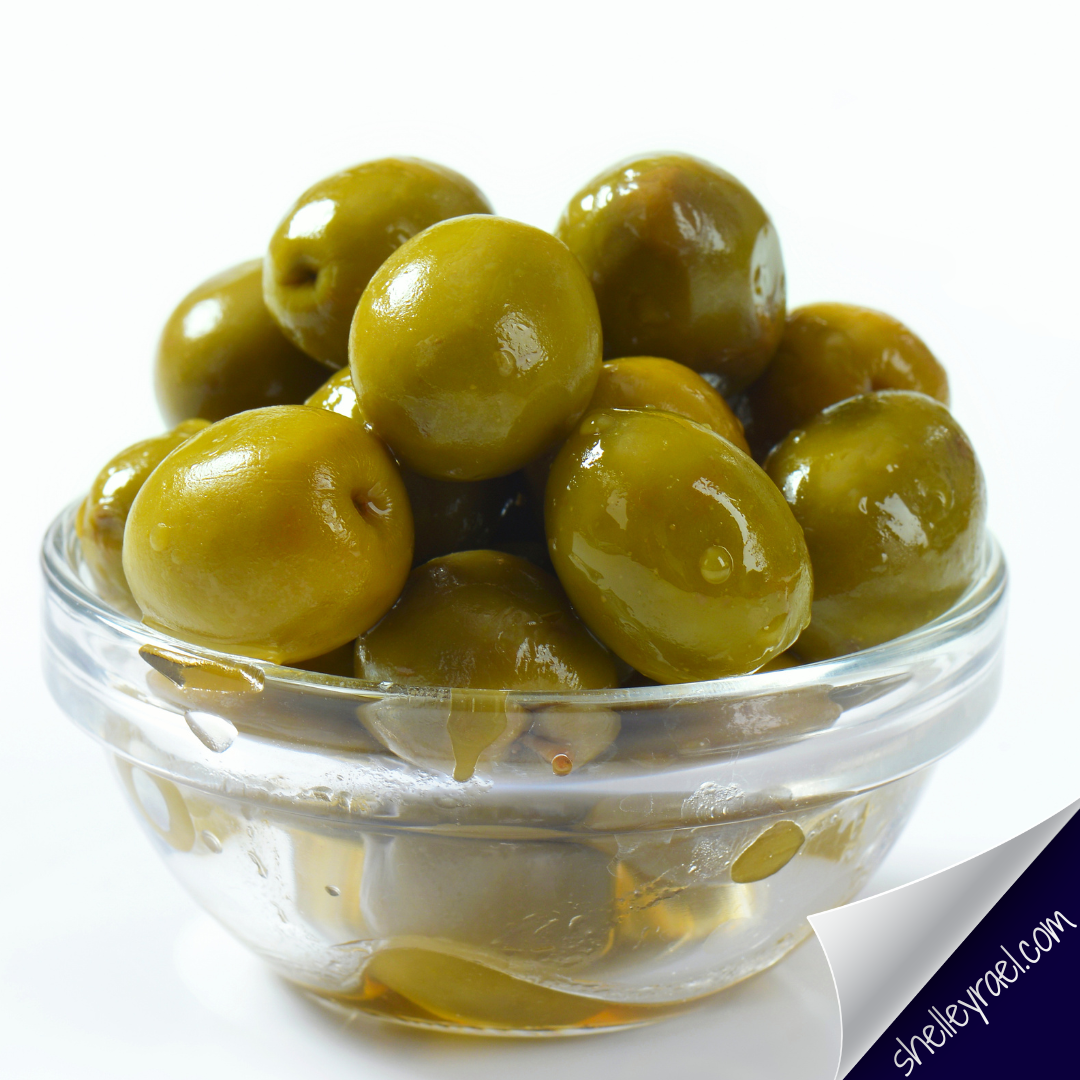
Olives can absolutely be part of a healthy eating pattern.
They provide a source of unsaturated fat and can add flavor and variety to meals. They also tend to be eaten in smaller amounts, which naturally keeps portions in check.
At the same time, they are not a significant source of most nutrients. They are not a primary source of protein, vitamins, or minerals compared to other foods.
So rather than thinking of olives as a “superfood” or something that needs to be emphasized, it is more helpful to view them as an addition.
They can enhance meals, but they are not the foundation of a healthy diet.
How Do Olives Fit into Eating Patterns?
This is where olives make the most sense.
They are often used as:
A topping for salads or grain dishes
Part of a snack plate or charcuterie board
An ingredient in Mediterranean-style meals
A garnish for certain dishes
In these situations, olives add flavor, texture, and variety.
They can also make meals more satisfying, which can help with overall eating patterns.
What About Research?
There is not a large body of research looking at olives on their own.
Most studies focus on broader dietary patterns, such as the Mediterranean diet, which includes olives and olive oil along with many other foods.
That makes it difficult to isolate the specific effects of olives.
But that also reflects how people actually eat.
Foods are not consumed in isolation. They are part of a bigger picture that includes overall diet, lifestyle, and habits.
A Realistic Perspective
If you enjoy olives, there is no reason to avoid them.
They can be part of a balanced approach to eating.
At the same time, there is no need to go out of your way to include them if you do not like them. There are many other ways to incorporate healthy fats and nutrients into your meals.
The key is to look at your overall pattern.
Are you including a variety of foods? Are your meals balanced? Are your habits consistent?
Those factors matter much more than whether or not olives are included.
Key Takeaways
Olives can fit into a healthy eating pattern, but they do not need to be emphasized or avoided.
They are one of many foods that can contribute to variety and enjoyment.
Like most things in nutrition, context matters.
It is not about a single food. It is about how everything comes together over time.
Read More:
The Mediterranean Diet: What It Is (and What It’s Not)
Heart Disease Is the #1 Killer, But Are We Making Progress?
American Heart Association vs. Dietary Guidelines: What’s Different and Why It Matters
Healthy Fats: Supporting Brain, Heart, and Hormonal Health
USDA Food Data Central: Olives, green, Manzanilla, stuffed with pimiento
Real World Nutrition Refreshed: Since nutrition science and my perspective evolve, I update and republish older blog posts. I originally wrote about this topic in June 2022, and it has been updated here.