
Soy Foods and Your Health: Benefits, Myths, and Who Should Eat Them
Soy is one of those foods that tends to get a strong reaction.
Some people include it regularly without thinking much about it. Others avoid it completely. And then there are the comments and labels that show up online that do not really explain anything but still influence how people feel about it.
So, here I want to address several things related to soy, including what soy is, why it comes up so often in nutrition topics and recommendations, and what the research really says about soy benefits.
What Is Soy and Why Do We Talk About It So Much?
Soy comes from soybeans, which are a type of legume. That puts them in the same general category as beans, lentils, and peas.
What makes soy stand out is its protein content.
Soy is one of the few plant-based foods that is considered a complete protein, meaning it contains all nine essential amino acids. These are the amino acids that our bodies cannot make on their own and must obtain from food.
Most plant proteins are lower in one or more of these amino acids, which is one of the many reasons why it is recommended to eat a variety of plant-based foods. Soy is an exception, which is part of why it gets so much attention.
In terms of food groups, soy can fit into more than one category depending on how it is used. It can count as a protein food, and in the case of fortified soy milk, it can also fit into the dairy group as an alternative. And if we are talking about soybeans, they can be in the vegetable group.
Soy Shows Up in Many Foods
Soy is more common than many people realize.
Some foods are clearly soy-based:
Soybeans
Edamame
Tofu
Tempeh
Soy milk
Soy nuts
Others use soy as an ingredient:
Soybean oil
Soy protein isolate or concentrate
Meat alternatives
Some snack foods and processed products
People choose soy foods for a variety of reasons.
For some, it is about adding more plant-based protein. For others, it is an option if they do not consume dairy or animal products. Some people tolerate soy better than other foods. And sometimes it is simply a matter of preference.
One thing worth noting is that soy milk is the only plant-based milk that comes close to matching cow’s milk in protein content. Many other plant milks are lower in protein unless they are fortified or formulated differently. I always mention this because people are often surprised that their favorite milk alternative isn’t as nutritious as they assumed. But a look at the label shows very little protein or other nutrients.
Read More: So Many “Milks” – Are They Healthy?
A Quick Note on GMOs and Bioengineering
When I mention soy foods, people often bring up genetically modified or bioengineered foods.
This can sound concerning, but it is important to understand what it means. Many people don’t understand what it means and fall for the fear-based messaging.
Bioengineering is used in agriculture for a variety of reasons, including improving crop resistance and efficiency. The current body of evidence supports that approved GMO foods are safe to eat.
If someone prefers to avoid them, there are non-GMO and organic soy options available. But from a nutrition and safety perspective, bioengineered soybeans are not inherently harmful or unsafe.
Read More: Deconstructing Food Labels – Part 4: Non-GMO Terms and What Foods Are GMO? Not as Many as You Think
Common Myths About Soy
Soy has been the subject of a lot of mixed messaging over the years.
Myth: Soy affects hormones in harmful ways
This is probably the most common concern.
Soy contains compounds called isoflavones, which are a type of phytoestrogen. These are plant compounds that can have weak estrogen-like effects in the body.
However, they do not function the same way as human estrogen.
Research has consistently shown that moderate soy intake does not negatively impact hormone levels in men or women. Concerns about things like gynecomastia are based on isolated cases involving extremely high intake, not typical consumption.
Myth: Soy increases cancer risk
At one point, people were advised to avoid soy, especially in relation to breast cancer.
More recent research does not support this.
In fact, soy foods may be associated with a reduced risk of certain cancers, particularly when consumed as part of an overall balanced diet. For individuals with specific medical conditions, recommendations may vary, but for most people, soy foods are considered safe. If you have been told to avoid soy of all types in the past, maybe check in and see if that is still true.
Who Should Avoid Soy?
The main group that should avoid soy is individuals with a soy allergy.
Beyond that, most people can include soy in their diet without concern.
Health Benefits of Soy
Okay, so soy doesn’t have the negative effects that often come to mind, but is soy healthy? Absolutely. Soy provides way more than just protein.
Heart Health
Soy protein has been associated with modest improvements in cholesterol levels, particularly when it replaces higher-saturated-fat protein sources.
Cancer Research
Some studies suggest a protective effect, especially with long-term intake as part of a varied diet.
Bone Health
Soy foods may support bone health, especially when they are fortified with calcium and vitamin D.
Fiber and Nutrients
Whole soy foods like edamame and soybeans provide fiber, along with vitamins and minerals.
Phytochemicals
Because soy is a plant food, it offers additional benefits due to its phytochemicals. Isoflavones and other plant compounds in soy may contribute to overall health, though research in this area is ongoing.
Whole vs Processed Soy
Like most foods, soy exists on a spectrum.
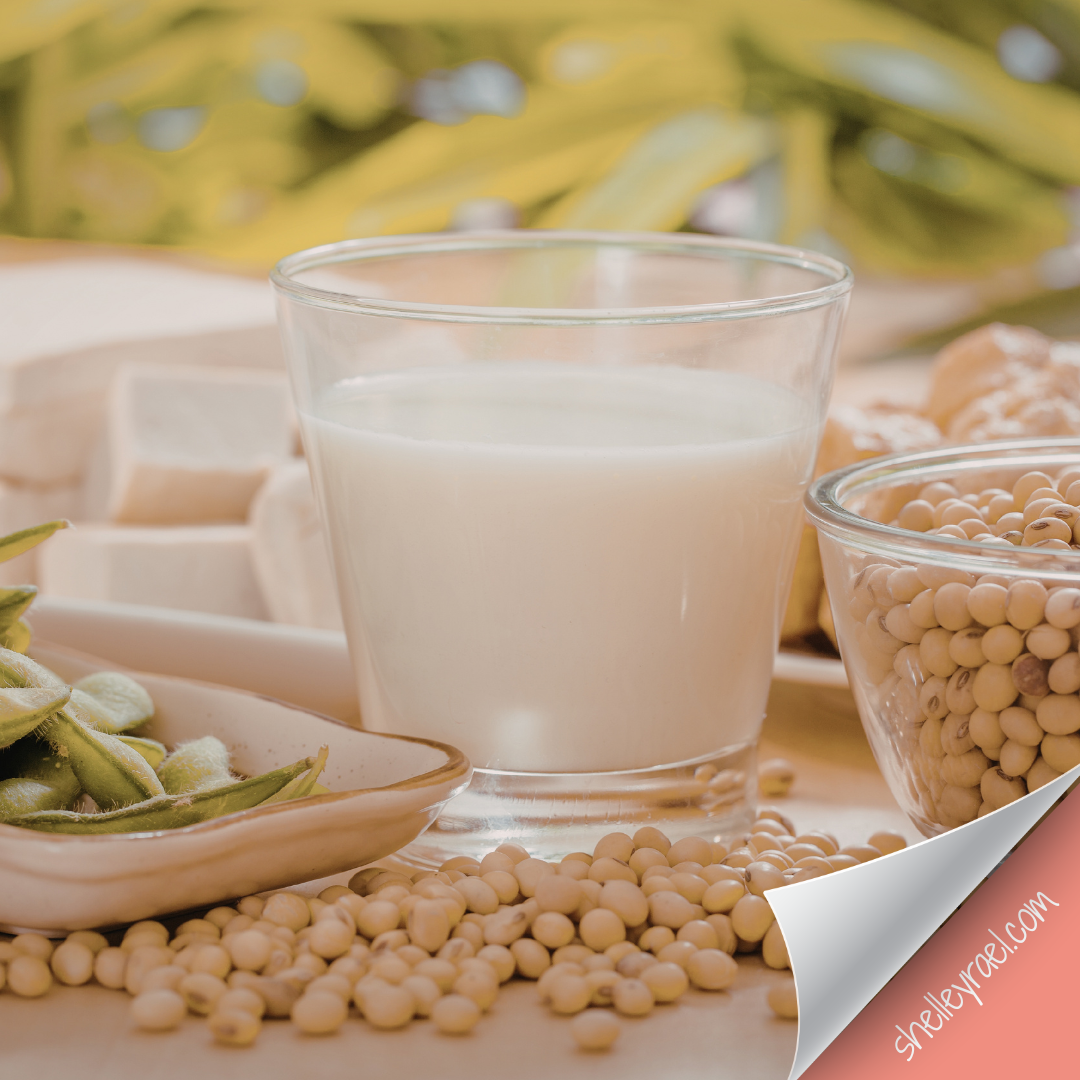
Less Processed Options
Edamame
Tofu
Tempeh
Soybeans
These tend to retain more of the original nutrients and fiber.
More Processed Options
Soy protein isolate
Meat alternatives
Some packaged foods
These can still be part of a balanced diet, but they may be lower in fiber or higher in sodium depending on the product. As with many foods, soy’s nutritional value varies with processing methods.
It is not about avoiding processed foods completely. It is about understanding where they fit.
What About Soy Supplements?
Soy supplements, including isoflavone supplements, are sometimes marketed for specific health benefits.
In general, getting nutrients from food is preferred over supplements.
Whole foods provide a combination of nutrients and compounds that work together in ways supplements cannot fully replicate.
Simple Ways to Include Soy in Your Diet
Okay, you don’t need to go all in on the soy or even overhaul your diet to include it. You can just start with some of these simple options:
Add edamame to meals or snacks
It works well in salads, grain bowls, or on its own – and these can be found in the freezer section of your grocery store.
Use tofu in familiar dishes
Stir-fries, tacos, or even baked dishes – tofu tends to take on the flavor of its surroundings. If you have silken tofu, you can add it to smoothies, as it has a texture similar to yogurt.
Swap in soy milk
Use it in smoothies, cereal, or coffee – even if you can and will still consume cow’s milk, this is still a simple way to get in some more soy.
Try tempeh as a protein option
It has a firmer texture and works well in savory dishes – it can be marinated and substituted for or added to ground meat when crumbled.
Include roasted soy nuts for snacks
A simple way to add protein and crunch – this is another easy swap or addition.
Use tofu or soy-based products alongside animal proteins
It does not have to be all or nothing – this is where mixing soy foods with meat dishes works. For example, instead of chicken teriyaki OR tofu teriyaki, have it be a mix of the two.
Simply Soy – Give It a Try
Soy is a nutrient-dense, versatile food that can fit into many different eating patterns.
It is not a “required” food, but it is also not something most people need to avoid despite common lore.
For those who enjoy it, are looking for more variety in their protein choices, or are adding more plant-based options to their eating patterns, soy is a great option with plenty of benefits.