
Carbohydrates vs Sugar: What’s the Difference and Why It Matters
The terms “carbohydrates” and “sugar” are often used interchangeably, and that is where a lot of confusion begins. If you have ever heard statements like “cut carbs,” “sugar is toxic,” or “I do not eat sugar,” you are not alone. I hear it all the time. These messages show up year after year, and often I would say “especially at the start of January,” but let's be real – it is all the time, so January is no longer special. However, you may see the detox push more in January post-holiday.
This post is to encourage pausing for a minute, questioning what you think you know about carbohydrates and sugar, explaining what carbohydrates and sugar are, how they appear in food, and why understanding the difference matters.
Recently, I updated my Nutrition Facts Panel series, including the section on macronutrients and how carbohydrates and sugars appear on food labels. That matters here because carbohydrates and sugars are listed in a way that often adds to confusion instead of clearing it up. I will reference parts of that series throughout this post, and it is a helpful companion if labels feel overwhelming. I will also include links for all the posts in the four-part series at the bottom of this post.
Before getting into sugar specifically, one important clarification: carbohydrates are a nutrient, not a food group.
Again, carbohydrates are a nutrient, not a food group. They are one of the three macronutrients we must consume to survive; the other two are fat and protein.
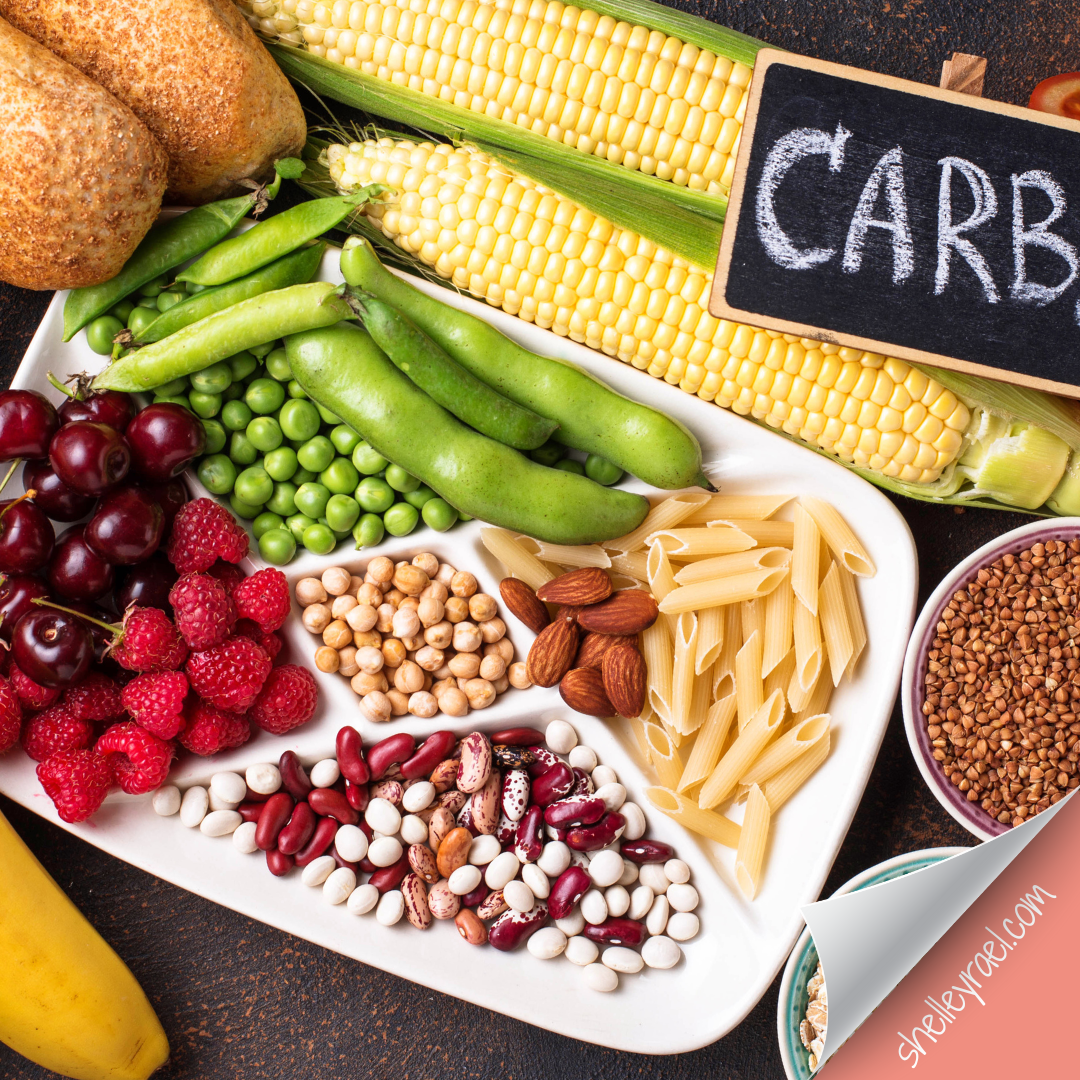
Carbohydrates are found in all foods of plant origin and in dairy foods. When people say they are “cutting carbs,” that means they are cutting out entire categories of foods, including fruits, vegetables, grains, beans, and milk or yogurt. If they are truly cutting carbs, they are not eating any of these foods – otherwise, they are definitely eating carbohydrates.
The Three Types of Carbohydrates
There are three types of carbohydrates:
Starch
Fiber
Sugar
This is where the key distinction comes in. All sugars are carbohydrates, but not all carbohydrates are sugars.
Understanding this single sentence clears up a surprising amount of confusion. Though admittedly, I often have to explain beyond this one sentence.
Sugar and Glucose as Fuel
Sugar, in the form of glucose, is fuel. It is the primary fuel for the brain, fuel for all cells, and fuel for muscles. When people make blanket statements like “sugar feeds cancer,” what is often missing is context. Sugar feeds cancer cells because sugar feeds all cells. Glucose is the fuel for all human cells. Full stop.
The body can obtain glucose from many different foods. It does not have to come from white table sugar or sweets that many people envision when we say “sugar.” Glucose comes from any food that contains carbohydrates.
This includes all plant foods and dairy products such as milk and yogurt. Plant foods in their whole form contain carbohydrates that are broken down or converted into glucose to fuel the body. Plant foods in more refined forms also contain carbohydrates that eventually break down into glucose.
Dairy foods that contain lactose are broken down into glucose. The same applies to soy milk, oat milk, and other dairy alternatives. They are plant-based, which means their carbohydrates are digested and converted into glucose as well.
Starches found in foods like potatoes, rice, bread, and flour are simply long chains of glucose molecules. During digestion, those chains are broken down into individual glucose units that the body can use for energy. It takes a bit longer to break down starch because it is more complex and has more bonds to break than sugars.
Simple and Complex Carbohydrates
This is where people tend to get confused: when we refer to simple vs. complex carbohydrates. So, let’s break this down a bit more.
Sugars are classified as simple carbohydrates, which include mono- and disaccharides. Hang on here as I get into some basic chemistry.
There are three monosaccharides – single sugar or saccharide, therefore “mono”:
Glucose
Fructose
Galactose
There is not much simpler than a monosaccharide unless it is broken down into its chemical elements – carbon, hydrogen, and oxygen (but don’t worry about those steps).
There are also three disaccharides – or two sugars or saccharides bonded together, therefore “di”:
Lactose is made from the two monosaccharides glucose and galactose
Maltose is made from of two glucose molecules
Sucrose is made from the two monosaccharides glucose and fructose
When foods containing these sugars are eaten, the body breaks them down into their parts. Galactose and fructose are then converted into glucose. Once again, fuel for the cells. Sometimes people want to know what we mean by “made from” – this is nature. Nature is the original chemist, so nature is what makes these bonds.
Starches are considered complex carbohydrates because they are made up of many glucose molecules linked together or are more complex compared to simple sugars. Because of that structure, they take longer to break down than simple sugars.
A helpful way to think about this is like unlocking a door. Unlocking one lock is quicker than unlocking twenty. The more links involved, the more time digestion takes. That is why starches are classified as complex carbohydrates.
Where Fiber Fits In
Fiber is also a carbohydrate, but it behaves differently. Humans do not have the enzymes needed to break down fiber into glucose. As a result, fiber does not raise blood glucose levels in the same way other carbohydrates do.
Fiber is found in plant foods, although processing can remove some or all of it. Foods like whole grains, beans, fruits, vegetables, nuts, and seeds naturally contain fiber. Highly refined foods may have little to no fiber unless fiber has been added back.
Foods such as corn and potatoes are often mislabeled as simple carbohydrates, but they are actually complex carbohydrates. Foods like fruit, honey, and milk contain simple carbohydrates. Grain foods, even in their refined forms, are still complex carbohydrates, though they may be lower in fiber.
Why This Matters
Understanding the difference between carbohydrates and sugar helps take some of the fear out of food. It also makes nutrition labels easier to interpret. On the Nutrition Facts Panel, total carbohydrates include starch (which isn’t explicitly labeled), fiber, and sugar. Added sugars are listed separately, which is helpful, but only if the bigger picture is understood.
This is why carbohydrate education is so important. Without it, people are left making decisions based on headlines, fear, or oversimplified rules that do not reflect how the body actually works.
This post is part of a broader series focused on carbohydrates, as this topic is consistently among the most misunderstood. Over the coming weeks, I will continue to address different aspects of carbohydrates, including fiber, sugar, low-carbohydrate diets, and how carbohydrates fit into various health conditions.
Foundational understanding creates context. Context makes nutrition feel more manageable.
Nutrition Facts Label Series:
Part 2: Fats, Cholesterol, Carbohydrates, and Protein – this one explains total carbohydrates, fiber, sugar, and added sugar on the label.
Real World Nutrition Refreshed: I am revitalizing and updating my blog archive and re-publishing it. Stay tuned as I review, update, refresh, and re-share these posts to provide you with even more valuable information on nutrition, health, and overall wellness—and keep things timely. A portion of this blog was initially posted in October 2022 and has been updated here.
Related blogs in this series:
The Six Essential Nutrients Explained: A Foundational Guide to Nutrition
What Are Carbohydrates? Fiber, Starch, and Sugar Explained
Fiber 101: Soluble, Insoluble, Functional Fiber, and Resistant Starch
What Are Net Carbs and Do They Actually Matter?
What Are the Names of Added Sugars?
“Detoxing” From Sugar and the Idea of Sugar Addiction
Low-Carb and No-Carb Diets: What They Get Right and What They Miss
Healthier Alternative Sugars: What the Science Actually Says
Carbohydrates, Sugar, Fiber, and Chronic Disease
How to Build a Balanced Plate When Carbohydrates Are Involved
Nutrition Facts Panel: Serving Sizes, Servings Per Container, and Calories
Nutrition Facts Panel, Part 2: Fats, Cholesterol, Carbohydrates, and Protein
Nutrition Facts Panel, Part 3: Sodium, Potassium, and Other Vitamins and Minerals
Nutrition Facts Panel, Part 4: % Daily Values and Other Information