
Thanksgiving Dinner: The Foods We Love, the Traditions We Keep
Many of us associate certain foods with Thanksgiving. Turkey, stuffing or dressing, mashed potatoes, gravy, sweet potatoes, green beans, cranberry sauce, and pie. Maybe dinner rolls, corn, or a favorite casserole. These are the foods that often come to mind when someone says Thanksgiving dinner.
But here's the thing: There really isn't one traditional Thanksgiving menu. What shows up on the table each year varies by region, culture, family, and even generation. Sometimes it even changes from year to year.
Thanksgiving Food FAQ
What foods are traditionally served at Thanksgiving?
Common Thanksgiving foods include turkey, stuffing or dressing, mashed potatoes and gravy, sweet potatoes, cranberry sauce, green beans, and pies. Menus vary by region, culture, and family tradition.
Why do families eat turkey on Thanksgiving?
Turkey became associated with Thanksgiving over time because it was a large bird that could feed a crowd and was widely available in North America. It eventually became the centerpiece of many traditional Thanksgiving meals.
What are some common Thanksgiving side dishes?
Popular sides include mashed potatoes, stuffing, sweet potato casserole, green bean casserole, cranberry sauce, corn, roasted vegetables, dinner rolls, and macaroni and cheese.
What temperature should Thanksgiving turkey reach?
Turkey should reach an internal temperature of 165°F in the thickest part of the breast and the innermost part of the thigh and wing. Use a food thermometer to check.
How long are Thanksgiving leftovers safe?
Most cooked Thanksgiving leftovers can be stored in the refrigerator for 3 to 4 days when kept at or below 40°F. Refrigerate them within two hours of serving, or freeze them for longer storage.
I'm hearing more people talk about moving away from some of the familiar Thanksgiving staples. Maybe they're skipping the turkey, swapping mashed potatoes for something else, or deciding stuffing isn't worth the effort. And…? We need to acknowledge it’s tradition, not a requirement. But I also know some of those traditional foods are important to some people, and changing the menu isn't always as simple as it sounds!
What Makes a Thanksgiving Meal Traditional?
When we think about a traditional Thanksgiving meal today, turkey is usually a given. It's often accompanied by stuffing or dressing, mashed potatoes and gravy, sweet potatoes, cranberry sauce, green beans or other vegetables, and some type of pie.
Pumpkin, pecan, and apple pies are common favorites, though many families have their own dessert traditions.
But these foods didn't become part of Thanksgiving menus at the same time, and today's menu doesn't exactly reflect the 1621 harvest gathering in Plymouth. Maybe moving away from that memory is just fine. Historical accounts describe wildfowl, venison, and corn among the foods served. Potatoes, pumpkin pie, and many of today's familiar side dishes weren't part of that documented meal.
The Thanksgiving menu evolved over time, influenced by regional cooking, available ingredients, cookbooks, and the people who helped popularize the holiday.
Regional differences are still easy to see. Some Southern tables include cornbread dressing, macaroni and cheese, collard greens, or sweet potato pie. Other families serve tamales and posole, rice dishes, or foods that reflect their cultural backgrounds. Some people wouldn't consider Thanksgiving complete without green bean casserole, while others have never served it.
And then there are the family recipes passed down through generations. Those may be the most important traditions of all.
Our Thanksgiving Menu: Some Traditions, With a Few Changes
In our house, we're keeping most of the familiar Thanksgiving foods.
We'll have turkey, stuffing (from a box, because sometimes that's just easier), mashed potatoes, green beans, and pies. We'll also have a modified version of my mom's sweet potato casserole. I love the original, but I've changed it over the years. No marshmallows for us. Instead, I use a streusel topping.
I did consider making rolls, but when I looked at the rest of the menu, I decided we already had enough starchy foods. I figured I could skip them. But I did pick up some Hawaiian bread for leftover turkey sandwiches. So it will be there in some form just after the meal, not with the meal.
And then there's cranberry sauce. It's one of those foods that seems to divide people. Some prefer the canned, jellied version, others want whole-berry sauce, and some don't want cranberries anywhere near their plate. I happen to enjoy it, but I know not everyone agrees.
I've also learned something about changing the menu: Be careful what you announce you're not making. Rather, just don’t say a thing!
There have been years when I thought about skipping a particular dish. I figured no one would miss it, or perhaps I was just tired of making it. Let's just say that didn't always go over well. One year, my husband ran off to the grocery store 15 minutes before dinner was to be on the table to buy that one item I casually mentioned I didn’t make.
The point is that traditions aren't necessarily about following a recipe exactly or making the same foods every year. They're about what people enjoy, what they remember, and what they expect to see when they sit down together.
What Time Is Thanksgiving Dinner, Anyway?
Even the meal's timing varies.
Some families eat at noon, almost like a big lunch. Others wait until the traditional dinner hour, while some fall somewhere in between. We usually eat around 2 p.m.
And I make sure we have breakfast.
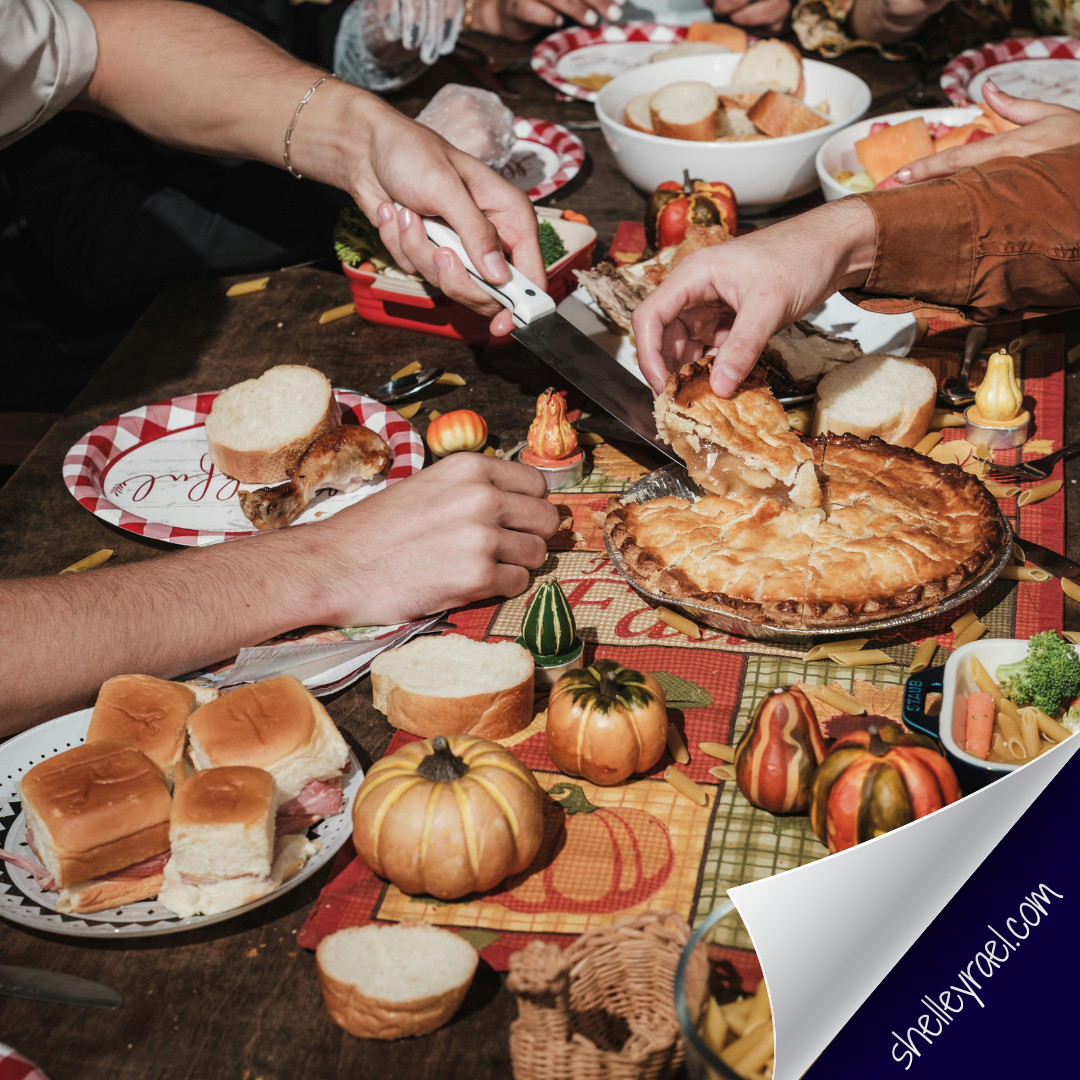
I know some people skip breakfast because they're “saving room” for Thanksgiving dinner. I don't recommend that approach. Going most of the day without eating can leave you overly hungry, uncomfortable, or even feeling lightheaded by the time the meal is served.
Have breakfast. It doesn't need to be elaborate. Eat something that works for you, and enjoy Thanksgiving dinner when it's ready.
Arriving at the table ravenous offers no nutritional advantage.
A Little Balance Goes a Long Way
Thanksgiving meals can be larger and more elaborate than our usual dinners. That's part of the occasion. But that doesn't mean we need to approach the meal with a list of foods we're allowed or not allowed to eat.
You can enjoy the turkey, mashed potatoes, stuffing, sweet potato casserole, cranberry sauce, and pie. You can also include vegetables, fruit, and other foods.
Balance doesn't have to happen on one plate or even at one meal. It's about the overall pattern of what you eat over time. One holiday meal doesn't undo your usual eating habits, just as one meal doesn't create a healthy eating pattern.
If you enjoy the traditional foods, there's no reason to replace them simply because someone says there's a healthier version. And if you want to change things up, that's fine, too. You don't have to follow anyone else's menu.
The same goes for portions. Take what you want, enjoy your meal, and have more if you're still hungry. You don't need to compensate for Thanksgiving by skipping meals the next day or adding an extra workout.
And don't forget that food is about more than nutrients. There's enjoyment, family, memories, and the connection that comes from sharing a meal. Those things matter, too.
Don't Forget About Food Safety
One part of Thanksgiving that needs addressing, regardless of what's on your menu, is food safety.
With large meals, multiple dishes, and people gathering around the table, food can easily sit out longer than it should. Keep these basics in mind:
Cook turkey to an internal temperature of 165°F, checking the thickest parts with a food thermometer.
If you're cooking stuffing inside the turkey, it also needs to reach 165°F. Cooking it separately makes it easier to monitor the temperature. My recommendation? Just don’t.
Refrigerate perishable foods within two hours of serving. Don't leave everything sitting out while everyone visits.
Divide leftovers into smaller, shallow containers so they cool more quickly.
Keep refrigerated leftovers for 3 to 4 days, or freeze them if you want to keep them longer.
Reheat leftovers to 165°F before serving.
For more details, I've covered storage, freezing, reheating, and when it's time to toss leftovers in my article, Leftovers: How to Store Them and When to Toss Them.
Keep the Foods and Traditions That Matter to You
Thanksgiving doesn't have to look a certain way. You can serve turkey or skip it. You can make everything from scratch or use a few shortcuts. You can eat at noon, at 2 p.m., or at 6 p.m. You can keep your family's traditional recipes or start new ones.
What matters is that the meal works for you and the people you're sharing it with.
For me, that means turkey, mashed potatoes, my modified sweet potato casserole, stuffing, green beans, cranberry sauce, and pie. And apparently, I won't be announcing that I'm skipping anything else!
Enjoy the foods you love, make room for the traditions that matter, and don't let the pressure to make everything healthier or different take away from the occasion.
*Note: There are some years we have gone out for Thanksgiving for various reasons. But we mostly alternate between my home and visiting family in the next state over. So I don’t host Thanksgiving every year.