
Whole Grains: Why They Matter and How to Eat More of Them
Whole Grains: Why They Matter and How to Eat More of Them
Grains get a lot of attention in nutrition conversations, and I get so many questions about them, but not always for the right reasons. Some people avoid them altogether because they have been led to believe they are “evil,” while others don’t give much thought to what kind of grains they eat. Of course, like with many things in nutrition, there are nuances, and not all grains are created equal. Refined grains and whole grains are not the same thing, and understanding that difference can make a big difference, especially in your overall health.
What Exactly Are Whole Grains?
Whole grains are exactly what they sound like: the entire grain. That means all three parts of the kernel are still intact: the bran, germ, and endosperm.
The bran is the outer layer, rich in fiber and antioxidants.
The germ is the nutrient-packed center, containing healthy fats, vitamins, and minerals.
The endosperm provides carbohydrates and a bit of protein.
When grains are refined, the bran and germ are stripped away, leaving only the endosperm. That process removes much of the fiber, nutrients, and health benefits. White bread, white rice, and many traditional pastas are all examples of refined grains. Whole grains keep the good stuff intact.
The Nutritional Benefits of Whole Grains
Whole grains are more than just a “better carb.” They provide real benefits for health and well-being.
Fiber: This is one of the most important nutrients in whole grains. Fiber helps regulate digestion, keeps you feeling fuller longer, and supports heart health by helping lower cholesterol. Many people also fall short of their recommended fiber intake.
Vitamins and Minerals: Whole grains are a source of B vitamins, iron, magnesium, and antioxidants, all nutrients that play a role in energy production, blood health, and immune support.
Disease Prevention: Research consistently shows that eating more whole grains is linked to a lower risk of heart disease, type 2 diabetes, and certain cancers.
These benefits don’t come from refined grains, which is why choosing whole over refined makes a difference.
Clearing Up the Confusion
There’s a lot of misinformation out there about grains, which often portrays them in a negative light. Let’s clear up a few common myths:
“Whole wheat” and “whole grain” are the same thing. Not exactly. Whole wheat refers to the grain coming from wheat, whereas whole grain can include oats, barley, quinoa, and others. Both can be healthy, but “whole grain” means there’s more variety.
“Whole grain” vs. “Made with whole grain.” These are not the same. “Made with whole grain” often means there’s only a small amount of whole grain in the product, while the rest may be refined flour. Always check the ingredient list to be sure whole grain is the first ingredient.
“Grains cause weight gain.” Overeating anything can contribute to weight gain, but whole grains, thanks to their fiber, can actually help with satiety and appetite control.
“Gluten-free grains are always healthier.” Unless you have celiac disease or a gluten sensitivity, gluten itself isn’t the problem. Gluten-free doesn’t automatically mean nutritious. Some gluten-free products are highly processed, can have higher sugar, fat, and sodium, and are low in nutrients.
Real-Life Ways to Add More Whole Grains
You don’t have to overhaul your entire diet to get more whole grains. Small swaps can make a big difference:
Rice: Try brown rice, wild rice, or even quinoa instead of white rice.
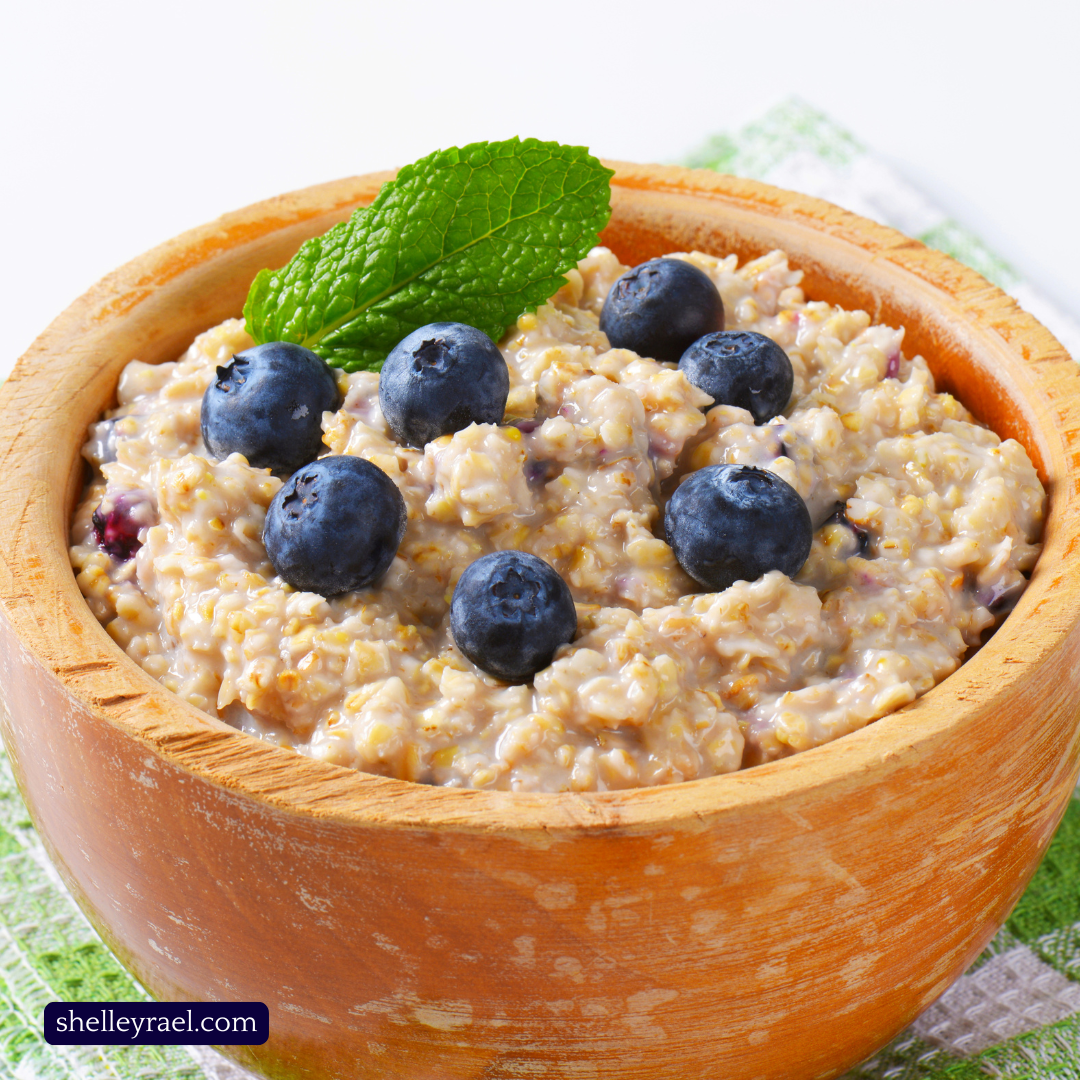
Breakfast: Swap sugary cereals for oatmeal, overnight oats, or whole-grain toast.
Bread and Tortillas: Look for 100% whole wheat or whole grain on the label.
Experiment: Grains like farro, barley, bulgur, and millet are hearty, versatile, and can be added to soups, salads, or served as side dishes.
When reading labels, check the ingredient list. Look for “100% whole grain” or “whole wheat flour” as the first ingredient. If the label says “wheat flour,” that’s refined flour.
Keep It Practical
Eating more whole grains doesn’t need to be complicated or “scary.” If you’re used to refined grains, start by mixing them. Mixing half white rice and half brown rice is a good way to ease into the taste and texture. Or use whole-grain pasta for half the week and refined pasta the other half. In my house, we alternate brown rice and white rice.
The goal isn’t necessarily about making them all whole grains – ideally, it is making half your grains whole grains. It is also about building habits that add up over time. Every choice for whole grains provides more nutrients and health benefits than their refined counterparts.
The Bottom Line
Whole grains are not something to fear or consider evil. They’re nutrient-dense, versatile, and can fit into almost any eating pattern. Choosing whole grains more often can improve your health in ways that refined grains cannot. You don’t have to eliminate all refined grains, but making whole grains your default choice more often is a smart move for long-term wellness.
Small changes matter. Start with one swap and build from there.
References: