Are Mushrooms a Vegetable? Plus the Benefits of Adding More Mushrooms to Your Meals
This is a thought I often have: where do mushrooms belong in the food groups? Most of us tend to think of them as vegetables, and from a nutrition standpoint, that’s generally where they are categorized.
But mushrooms are actually a little more interesting than that.
According to the Mushroom Council, mushrooms are fungi, which means they belong to their own biological kingdom. They are neither plants nor animals. Their cellular structure is different from both, which is why scientists classify them separately.
So, are mushrooms vegetables?
Technically, no.
For nutrition and meal planning purposes, however, mushrooms are commonly grouped with vegetables because they provide many of the same nutritional benefits and are often used in similar ways in recipes.
Mushroom FAQ
Are mushrooms vegetables or fungi?
Mushrooms are technically fungi, not vegetables. They belong to their own biological kingdom and are distinct from both plants and animals. However, for nutritional and meal-planning purposes, mushrooms are often grouped with vegetables because they provide many of the same nutrients and are commonly used in the same ways in cooking.
Do mushrooms contain vitamin D?
Yes. Mushrooms are one of the few foods that can naturally contain vitamin D. Some mushrooms are exposed to ultraviolet (UV) light during growing or processing, which increases their vitamin D content. The amount can vary depending on the type of mushroom and how it was grown.
Are mushrooms healthy?
Mushrooms can be a nutritious addition to a healthy eating pattern. They are low in calories, naturally fat-free and cholesterol-free, and provide nutrients such as B vitamins, potassium, selenium, and fiber. They also contain antioxidants and other beneficial compounds that may support overall health.
What are the healthiest mushrooms to eat?
There is no single “healthiest” mushroom. Different varieties provide different nutrients and flavors. Common options such as white button, cremini (baby bella), and portabella mushrooms are all nutritious choices. Other varieties, including shiitake, oyster, and maitake mushrooms, also offer valuable nutrients and can add variety to meals. The healthiest mushroom is often the one you enjoy and will regularly include in your eating pattern.
Whether you call them vegetables or fungi, mushrooms have a lot to offer when it comes to nutrition, flavor, versatility, and sustainability.
Mushroom Nutrition: More Than Just a Pizza Topping
For many years, I did not think much about mushrooms nutritionally.
I used them occasionally, mostly as a pizza topping or tossed into a recipe here and there. Looking back, part of the reason was that I was using canned mushrooms more often than fresh ones.
Now, there is nothing wrong with canned foods. I regularly recommend them as convenient, affordable options. But canned mushrooms simply are not the same experience as fresh mushrooms. They have a different texture and are often much higher in sodium, as canned foods often are.
Fresh mushrooms bring a lot more to the table than many people realize.
They are naturally low in calories, fat-free, cholesterol-free, and low in sodium. They also provide fiber, which many Americans do not get enough of. A cup of mushrooms is not going to meet your entire fiber goal for the day, but every bit helps.
One of the nutrients mushrooms are best known for is vitamin D.
Vitamin D plays an important role in helping the body absorb calcium, which supports bone health. It is also involved in immune function and many other processes throughout the body.
Mushrooms are one of the few foods that can naturally contain vitamin D. Some varieties are even exposed to ultraviolet light to increase their vitamin D content, making them one of the more unique foods in the produce section.
Another important nutrient found in mushrooms is selenium.
Selenium is an essential mineral that functions as an antioxidant. Antioxidants help protect cells from damage caused by normal metabolic processes and environmental exposures.
Mushrooms also provide:
Riboflavin (Vitamin B2)
Niacin (Vitamin B3)
Pantothenic acid (Vitamin B5)
Copper
Potassium
Many people associate potassium with bananas, but a variety of foods contain potassium, including mushrooms. Potassium works alongside sodium to help maintain healthy fluid balance and supports normal muscle and nerve function.
The bottom line is that mushrooms offer a unique nutritional profile that can complement a healthy eating pattern.
Mushrooms and Sustainability
One of the lesser-known benefits of mushrooms is their environmental impact.
Compared to many foods, mushrooms require relatively little land, water, and energy to produce. They can be grown indoors and do not require direct sunlight.
That efficiency makes them one of the more environmentally friendly foods available.
Here is a statistic that often surprises people: a single acre of growing space can produce up to one million pounds of mushrooms annually.
That is a tremendous amount of food from a relatively small footprint.
For people who are interested in incorporating more sustainable foods into their meals, mushrooms are worth considering.
Why Mushrooms Work So Well in Cooking
One reason mushrooms have become increasingly popular is their versatility.
They have a savory, umami flavor that works well in many different dishes. They can act as a side dish, an ingredient, or even the centerpiece of a meal.
While there are many mushroom varieties available, I tend to keep things simple.
The mushrooms most commonly found in my kitchen include:
White button mushrooms
Baby bella mushrooms (also called cremini mushrooms)
Portabella mushrooms
There are certainly many other varieties available, but these are easy to find and work well in a wide range of recipes.
Easy Ways to Use More Mushrooms
If you are looking for simple ways to include more mushrooms in your meals, here are some ideas.
Add Them to Pizza
This is probably the gateway mushroom food for many people.
Fresh mushrooms pair well with a variety of pizza toppings and add extra flavor and texture.
Mix Them into Pasta Dishes
Sautéed mushrooms work beautifully in pasta dishes, whether paired with marinara sauce, a cream-based sauce, or simply olive oil and garlic.
Serve Them Alongside Meat
Mushrooms make an excellent side dish for steak, chicken, pork, or fish. A quick sauté with a little olive oil and seasoning can create a simple, flavorful vegetable side.
Blend Them into Ground Meat Dishes
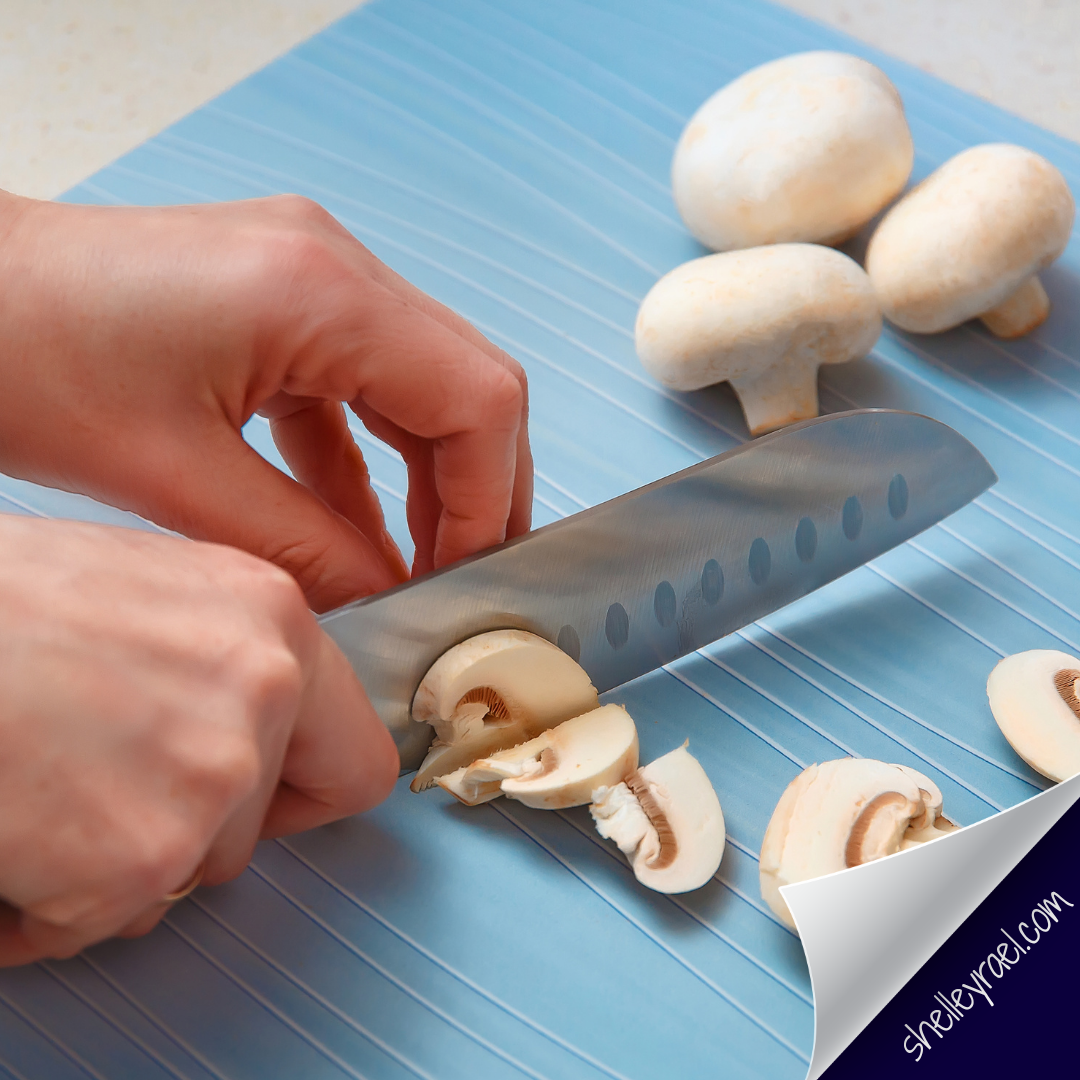
One of my favorite ways to use mushrooms is to finely chop them and mix them into ground-meat recipes.
This works especially well in:
Meatloaf
Chili
Taco meat
Meatballs
Burgers
The mushrooms add moisture and flavor while allowing you to use less meat overall.
This approach can help stretch your food budget while also increasing the meal’s “vegetable” content. It is sometimes referred to as “blending” and is an easy strategy for people who are trying to eat more plant foods without giving up meat entirely.
Grill Large Portabella Mushrooms
Portabella mushrooms are often used as an alternative to a traditional burger patty.
While they are not nutritionally equivalent to meat because they contain much less protein and iron, they can still be a flavorful option for vegetarians or anyone looking to add more variety to their meals.
A grilled portabella mushroom topped with your favorite burger toppings can be a delicious summer meal.
The Takeaway
Mushrooms may not technically be vegetables, but they fit comfortably into the vegetable category when it comes to nutrition and meal planning.
They provide a variety of vitamins and minerals, contribute fiber, contain unique compounds, and can be used in countless recipes. They are also affordable, versatile, and environmentally friendly.
Whether you enjoy them on pizza, mixed into chili, sautéed as a side dish, or grilled on their own, mushrooms can be an easy addition to a healthy eating pattern.
If mushrooms have not made it into your regular meal rotation, it may be time to give them another look.
For additional information, recipes, and cooking ideas, visit the Mushroom Council website. This is not a sponsored post. I simply think mushrooms deserve a little more attention than they often get.
Read More:
Fresh Fruits and Vegetables: Why Eating More Produce Is Still Great Advice (coming June 11, 2026)
What Is a Diet, Really? Why We’ve Misunderstood the Word “Diet”
What Makes a Diet “Good”? Common Traits of Healthy Eating Patterns
Whole Foods vs. Isolated Nutrients: Why Food Synergy Matters
Healthy Eating vs. Perfect Eating: Why Consistency Matters More
Real World Nutrition Refreshed As nutrition science and perspectives evolve over time, older blog posts are occasionally updated and republished. This post was originally written in September 2022 and has been refreshed and expanded here.