
Foods Don’t Always Nicely Fit Into the Food Groups
Foods Don’t Always Nicely Fit Into the Food Groups
In a class not long ago, someone asked me, “Is corn a grain or a vegetable?”
It’s a fair question. Even dietitians debate this sometimes. The truth is, not all foods fit neatly into one of the classic food groups. And that’s OK.
We’re taught about five main food groups:
Grains
Fruits
Vegetables
Protein foods
Dairy
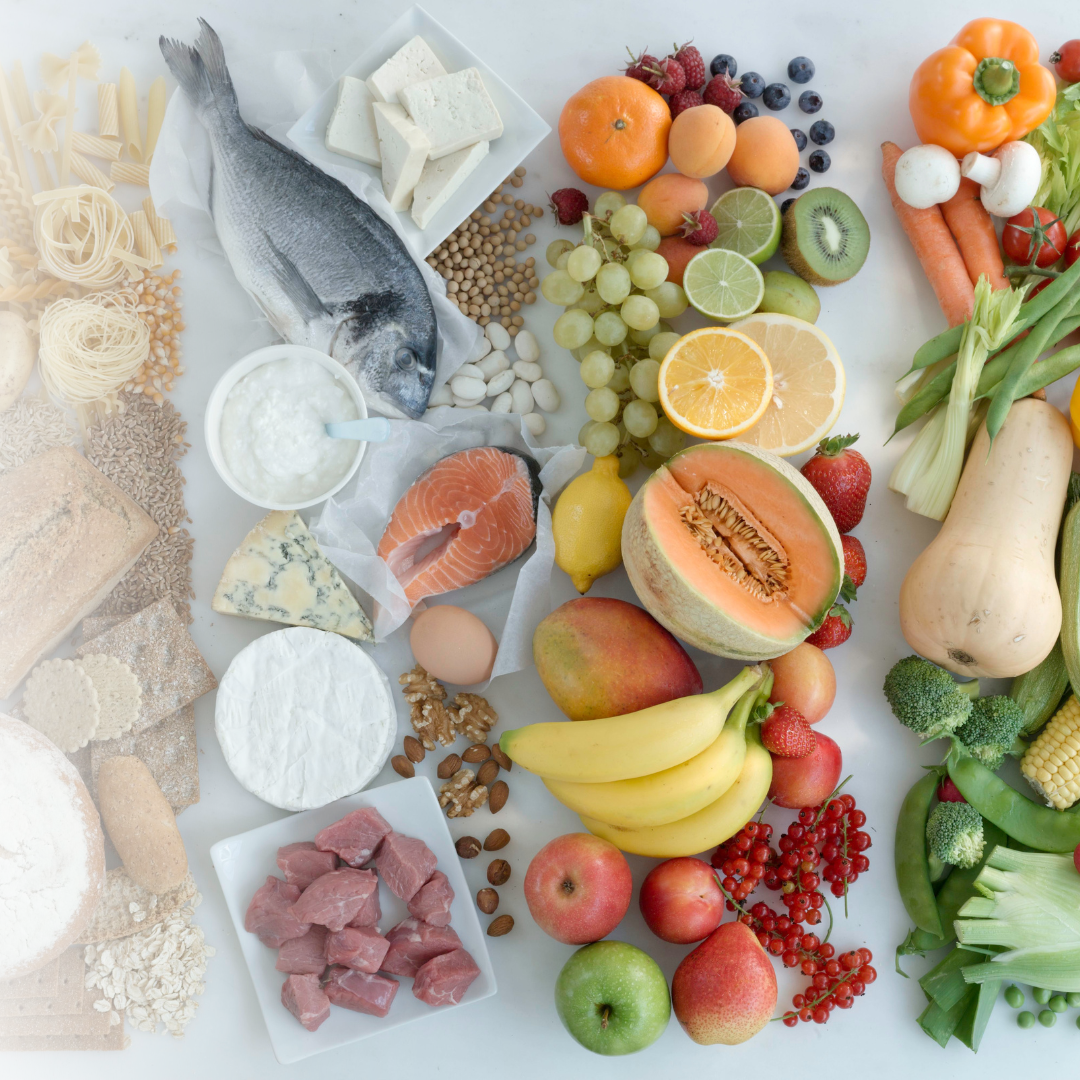
That seems simple enough, but food doesn’t always play by the rules. Some foods fit into more than one category, while others seem to belong nowhere. Instead of stressing about labels, the bigger picture is what matters: variety, balance, and consistency in eating habits.
When Foods Double Dip
Take corn as an example. Depending on how it’s harvested and eaten, it can be a grain or a vegetable. Corn on the cob, frozen corn, or hominy? That counts as a starchy vegetable. Popcorn, cornmeal, grits, or polenta? That’s grain.
Beans and legumes are another case. They belong in the protein food group, especially since they’re a good non-animal protein source. But technically, they’re also vegetables. Do you need to worry about where they “really” belong? No. Just know they bring protein, fiber, and plenty of nutrients to your meals.
Fruits vs Vegetables (and Why It Doesn’t Matter Much)
Botanically, a tomato is a fruit. Same with cucumbers, peppers, zucchini, and eggplant. But in everyday eating, we treat them as vegetables. Getting bogged down in whether something is botanically correct doesn’t help your health. The real goal? Eat more fruits and vegetables of all kinds. Seriously, I do not care if it is a fruit, a vegetable, something in between – just eat them.
The Misfits of the Food Group World
Then we have the foods that don’t seem to belong anywhere.
Mushrooms: Not a vegetable, not a protein, not a grain. Yet most of us group them with vegetables for practical purposes. They are a fungus, as you know.
Olives: They’re technically a fruit, but nutritionally, they’re mostly fat. And yes, it’s a healthy fat.
Snack foods: Candy, chips, and other treats, or so-called “junk food,” don’t fit a food group. They’re not a grain, fruit, vegetable, protein, or dairy. Well, maybe some are a grain, or some protein (such as Reese’s peanut butter cups?). Candy isn’t automatically “carbohydrate” either, since carbohydrate is a nutrient, not a food group. See above where I outlined the food groups.
Juice blends: If a drink is 10% juice and 90% sugar water, it’s not fruit. It’s just sugar water.
What About Dairy Alternatives?
Milk made from almonds, oats, cashews, or coconut doesn’t fall into the dairy group. Most of these don’t provide the protein you’d expect from milk either. Soy milk is the exception, which is why it’s the only non-dairy alternative that’s nutritionally similar enough to be considered part of the dairy group.
Almond milk isn’t a nut. Oat milk isn’t a grain serving. Cashew milk isn’t a protein food. They’re just beverages with different nutritional profiles.
Mixed Foods and Meals
Pizza is a great example of how foods combine categories. The crust is a grain. Cheese is dairy. Sauce and veggie toppings are vegetables. Add pepperoni or sausage or ham, and you’ve got protein. Pizza isn’t one food group, it’s a mix of several.
This goes for casseroles, sandwiches, burritos, or just about anything that’s more complex than a single food. That’s normal. Most of us eat meals, not individual food groups in isolation.
Where Does Alcohol Fit?
Short answer: it doesn’t. Beer comes from grain, but it’s not a grain serving. Wine comes from fruit, but it’s not fruit. Spirits are made from grains or starchy vegetables, but they’re not a food group either.
Alcohol is calories, not a nutrient. Adults can choose to drink responsibly, but nutrition-wise, it’s not part of the picture.
The Bottom Line
Food doesn’t need to fit neatly into a category to be valid. Some foods overlap groups, others don’t really belong anywhere, and plenty of mixed foods combine several groups at once. That’s just how eating works.
Rather than worrying about what group something belongs in, focus on the big picture: consistent, balanced eating that includes a variety of fruits, vegetables, whole grains, protein sources, and healthy fats. If you’re doing that most of the time, it doesn’t matter if mushrooms count as vegetables or if popcorn is a grain.
Just like people, not every food fits into a single category. And that’s perfectly fine.
Real World Nutrition Refreshed: I am revitalizing and updating my blog archive and re-publishing it. Stay tuned as I review, update, refresh, and re-share these posts to provide you with even more valuable information on nutrition, health, and overall wellness—and keep things timely. A portion of this blog was initially posted on August 4, 2022, and is updated here.