Healthy Life Expectancy: Adding Life to Your Years
Healthy Life Expectancy: Adding Life to Your Years
In this article, I addressed the difference between lifespan, life expectancy, and healthy life expectancy.
If you haven't read that article yet, I'd start there because it provides some important context for this one.
But here's the short version:
Living longer and living well are not necessarily the same thing.
You can live to 90 and spend the last 15 years dealing with significant health problems, disability, or loss of independence.
Or you can live to 90 and remain active, engaged, and relatively independent for much of those years.
Neither outcome is completely within your control.
But you can do things to support your health and function along the way.
That's where the concept of healthspan comes in.
What Is Healthspan?
Healthspan is the portion of your life spent in relatively good health, with the ability to function and participate in the things that matter to you.
It isn't simply the absence of disease.
The World Health Organization defines healthy aging as maintaining functional ability, meaning the ability to do and be the things that matter to you as you age. Having a health condition doesn't automatically mean someone isn't aging healthfully. A person can have one or more chronic conditions and still maintain a good quality of life when those conditions are appropriately managed.
I like this distinction because it moves from:
"How do I prevent myself from ever getting sick?"
That's an impossible goal.
Instead, we can ask:
"How can I maintain my ability to live my life for as long as possible?"
I prefer this approach because it focuses on living a healthier, functional life. So, not living as long as possible, but living where you are doing things on your own terms as long as possible.
Some Things Are Simply Beyond Our Control
Before getting into what you can do, I want to first acknowledge something important.
Your health isn't entirely determined by your choices.
Genetics matter.
Some people develop autoimmune diseases.
Some people are born with conditions that affect their health throughout life.
Accidents happen.
Injuries happen.
Mental health conditions happen.
Cancer happens.
Sometimes people do all the "right" things and still develop serious health conditions.
I want to emphasize this important consideration because healthy aging should never become another way to “blame” people for their health.
What About Social Determinants of Health?
This is a piece of the healthy aging conversation that doesn't get nearly enough attention.
Social determinants of health are the conditions in which people are born, grow, live, work, and age. They include income, education, housing, employment, access to nutritious food, transportation, healthcare, safety, and social connection.
These factors can significantly influence health and healthy life expectancy.
Consider someone who has been told to eat more fresh fruits and vegetables but lives in an area without a grocery store and has no reliable transportation, a food desert.
Or someone who knows exercise would be beneficial but works two jobs and doesn't have a safe place to walk.
Or someone who has health insurance but can't get an appointment with a healthcare provider for several months.
Telling people to "make healthier choices" without considering their circumstances misses a huge part of the picture.
Healthy aging is both personal and environmental.
There are things we can influence.
There are things we can manage.
And there are things we simply cannot control.
Our job is to work with what we have.
So What Can We Actually Do?
Within our control, several habits and behaviors can support health, function, and quality of life.
And here's the good news:
You don't have to do all of them at once.
1. Eat a Varied Diet
Nutrition is a big part of the picture, but you don't need a special "longevity diet."
Focus on a varied eating pattern that includes fruits and vegetables, whole grains, beans, nuts and seeds, adequate protein, and other foods that provide the nutrients your body needs.
Variety matters because different foods provide different nutrients and other beneficial compounds.
And no, you don't need to give up birthday cake because you're interested in healthy aging.
Your overall eating pattern matters much more than any single food.
2. Pay Attention to Protein
Maintaining muscle becomes increasingly important as we age.
Muscle strength supports everyday activities such as getting out of a chair, carrying groceries, climbing stairs, traveling, and maintaining independence.
Adequate protein helps maintain muscle, especially when paired with resistance exercise.
That doesn't mean every meal needs to contain 50 grams of protein, or “protein maxxing.”
It means protein should be a regular part of your eating pattern.
3. Move Your Body
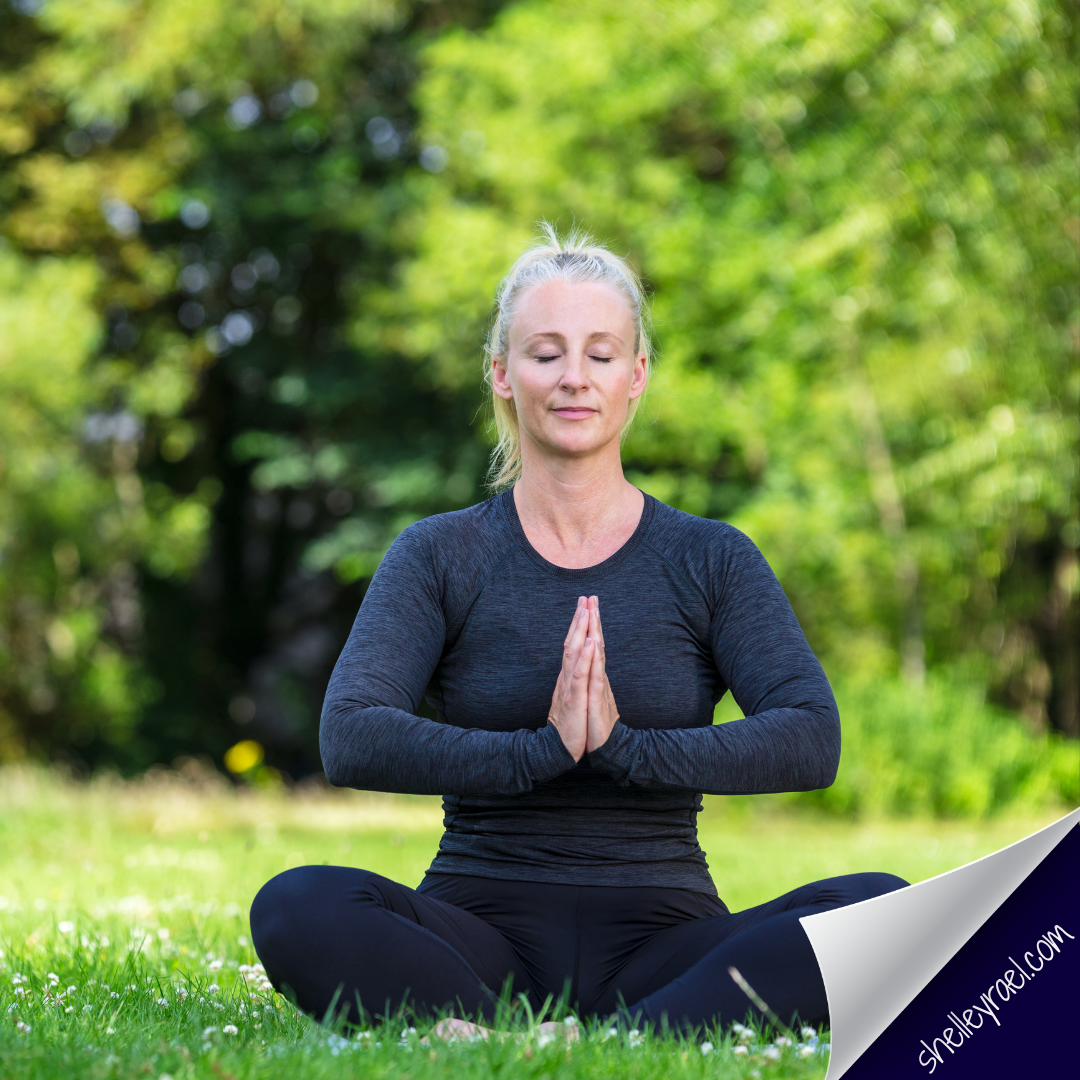
Physical activity is about much more than burning calories.
Walking, cycling, swimming, dancing, gardening, and other aerobic activities support cardiovascular health.
Resistance training helps maintain muscle and strength.
Balance and mobility work can help you continue doing the activities you enjoy.
And you don't need to become an athlete or a runner.
The goal is to keep your body capable of doing the things you want it to do.
4. Strength Train
I'm giving this one its own category because muscle strength matters so much as we get older.
What About Social Determinants of Health?
This is a piece of the healthy aging conversation that doesn't get nearly enough attention.
Social determinants of health are the conditions in which people are born, grow, live, work, and age. They include income, education, housing, employment, access to nutritious food, transportation, healthcare, safety, and social connection.
These factors can significantly influence health and healthy life expectancy.
Consider someone who has been told to eat more fresh fruits and vegetables but lives in an area without a grocery store and has no reliable transportation, a food desert.
Or someone who knows exercise would be beneficial but works two jobs and doesn't have a safe place to walk.
Or someone who has health insurance but can't get an appointment with a healthcare provider for several months.
Telling people to "make healthier choices" without considering their circumstances misses a huge part of the picture.
Healthy aging is both personal and environmental.
You don't need a fancy gym.
Dumbbells, resistance bands, machines, bodyweight exercises, or other forms of resistance can all be useful.
Start where you are.
If you've never strength trained, you don't need to start with a complicated program.
Learn a few basic movements and build from there.
If you're a gym member, consider one or two sessions with a personal trainer to make sure you're doing things safely.
5. Get Enough Sleep
Sleep is not wasted time.
Your body and brain need adequate sleep to function properly.
If you're consistently exhausted, wake frequently, or struggle to sleep, pay attention to it.
Sometimes the solution is behavioral, such as establishing a more consistent sleep schedule.
Sometimes an underlying issue needs to be addressed with a healthcare professional.
Don't simply accept chronic exhaustion as an inevitable part of getting older.
6. Manage Stress Without Expecting a Stress-Free Life
Stress is part of life.
The goal isn't to eliminate every stressful situation because that's impossible.
Instead, build ways to recover.
Take breaks.
Spend time outdoors.
Exercise.
Talk with someone.
Practice relaxation.
Make time for things you enjoy.
And sometimes, reduce the number of tasks you're trying to do.
Stress management can be less about adding another wellness activity and more about asking:
"What can I take off my plate?"
7. Take Mental Health Seriously
Mental health is health.
If you're struggling with depression, anxiety, trauma, substance use, or another mental health concern, getting appropriate care is part of taking care of yourself.
There is no prize for handling everything alone.
Therapy, medication, support groups, community support, or other forms of professional care may be appropriate depending on the situation.
And having a mental health diagnosis doesn't mean healthy aging is off the table.
It means that condition becomes part of the picture that needs appropriate care and management.
8. Keep Up With Preventive Healthcare
Preventive care isn't particularly exciting.
But it matters.
Keep up with recommended screenings and vaccinations.
Know your blood pressure, cholesterol, blood glucose, and other health measures when appropriate.
Talk with your healthcare provider about changes in your health.
Manage chronic conditions.
Take medications as prescribed.
Don't wait until something becomes an emergency to pay attention.
9. Prevent Injuries
This one often gets overlooked when discussing longevity.
And many of us say, " We never did these things growing up, and we are fine.” Okay, that may be true, but that doesn’t mean we should keep doing that. Times change, and this is the 21st century, so let’s accept that.
Wear your seatbelt.
Wear a helmet when appropriate.
Don't drive impaired.
Pay attention to fall prevention as you get older.
Use protective equipment when appropriate.
You can't eliminate every risk, but you can avoid some unnecessary ones.
Your future self may appreciate the boring safety decisions you make today.
10. Stay Connected
Humans are social creatures.
Relationships, friendships, family, community, hobbies, volunteering, and other meaningful connections can all be part of a healthy life.
You don't need a huge social circle.
But having people you can talk to, spend time with, laugh with, or ask for help can change how you experience life.
It Is Never Too Late
One of the messages I really want to emphasize is this:
You don't have to have started at age 20 or even 30.
Yes, adopting healthy habits earlier in life gives you more years for those habits to potentially benefit you. So, the earlier the better.
But that doesn't mean you're out of options if you're 40, 50, 60, 70, or older.
Your body can respond to changes at many different ages.
You can become stronger.
You can become more physically active.
You can improve your eating pattern.
You can stop smoking.
You can improve your sleep habits.
You can seek treatment for a health or mental health condition.
You can build new social connections.
You can start today, no matter your age. Seriously.
It doesn't erase what happened before.
It simply changes what happens next.
And Please Don't Forget to Enjoy Your Life
This might be my biggest concern with the current obsession with longevity.
We can become so focused on extending life that we forget to actually live it.
If you're eating an extremely restrictive diet, exercising to exhaustion, avoiding every food you enjoy, refusing to travel because your routine might be disrupted, and spending your entire day tracking biomarkers, I'm not sure you've necessarily improved your quality of life.
That’s certainly my opinion. I am fine making some of these “sacrifices” since I would rather live and enjoy things than be rigid and add more years to live with that rigidity.
Health matters.
But so does enjoyment.
Eat the dessert.
Take the trip.
Have dinner with friends.
Stay up late occasionally to watch the movie.
Go to the concert.
Laugh.
Celebrate.
Rest.
The goal isn't to eliminate every possible risk.
It's to make reasonable choices most of the time while leaving room for the things that make life enjoyable.
The Bottom Line
Healthy life expectancy isn't about finding a way to guarantee a long life.
We can't do that.
It's about increasing the likelihood that the years we have include health, function, independence, connection, and the ability to participate in the things that matter to us.
Some factors will always be outside our control.
But we can influence plenty of things.
Eat a varied diet.
Get adequate protein.
Move your body.
Build and maintain strength.
Sleep.
Manage stress.
Take care of your mental health.
Keep up with preventive healthcare.
Protect yourself from unnecessary injuries.
Stay connected.
And enjoy your life.
You don't have to make all of these changes today.
Pick one.
Then another.
And remember that healthy aging isn't something that begins when you turn 65.
We support it throughout our lives.
Sources and further reading:
World Health Organization (WHO)
Additional Articles: