Superfoods, Functional Foods, and Nutraceuticals: Do They Really Matter?
Superfoods, Functional Foods, and Nutraceuticals: Do They Really Matter?
“Superfoods” is one of those terms that sounds impressive.
It suggests that certain foods are somehow better than others. More powerful. More beneficial. More worthy of attention.
There was a time I used that term regularly. I even taught classes centered around so-called superfoods.
I do not use it much anymore.
Not because the foods themselves have changed, but because the way people interpret the term can be misleading.
I’ll. explain this more. But first…
What Do These Terms Actually Mean?
Let’s start with some definitions, because these terms tend to get used interchangeably.
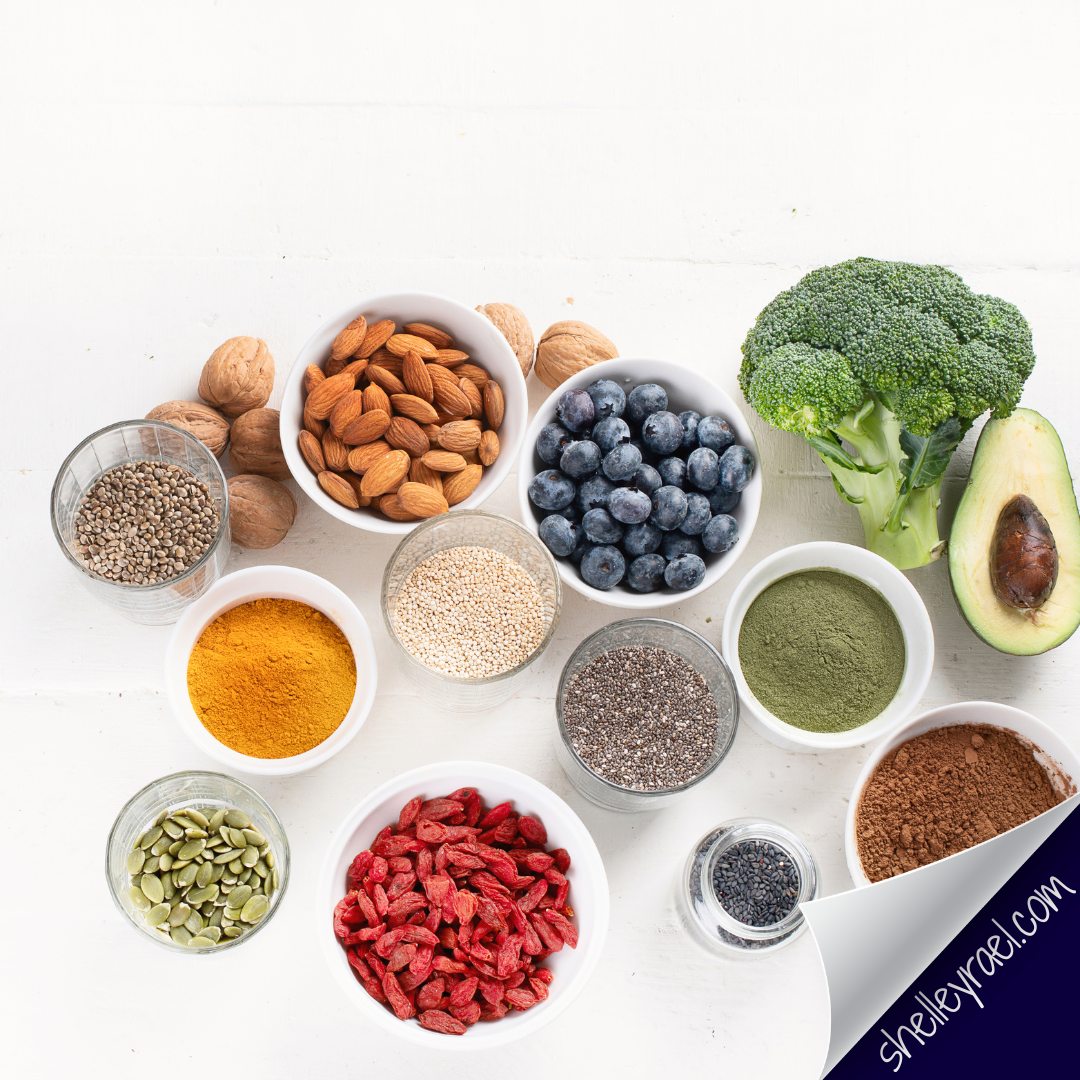
Superfood is not a scientific term. It is more of a marketing phrase used to highlight foods that are considered nutrient-dense or beneficial in some way.
Functional foods are foods that provide benefits beyond basic nutrition. These benefits often come from naturally occurring compounds such as fiber, vitamins, minerals, or phytochemicals.
Nutraceuticals is another term that overlaps with functional foods. It can refer to foods or food components that may support health, whether occurring naturally or added during processing.
Examples include:
Yogurt with live cultures
Grains enriched with certain nutrients
Foods naturally rich in compounds like omega-3 fats or antioxidants
These are not inherently different categories of foods. They are different ways of describing similar concepts.
Where Things Can Go Off Track
The issue is not with the foods themselves.
The issue is how people interpret them.
There is a tendency to believe that if a food is labeled as a “superfood” or “functional,” it can make up for other habits.
For example, someone may think that eating a handful of berries or nuts a few times a week somehow offsets the rest of their diet. Seriously, people think this!
That is not how nutrition works.
No single food fixes an overall pattern.
And no single food determines your health.
Most People Already Eat These Foods
Here is the part that often gets overlooked.
Most people are already eating foods that fall into these categories. They just do not think of them that way.
Examples include:
Fatty fish that provide omega-3 fats
Yogurt that contains beneficial bacteria
Nuts that offer healthy fats and other nutrients
Oats that provide fiber associated with heart health
These are all foods that are often labeled as “functional” or “nutraceutical.”
But they are also just… food.
The “Better Than” Problem
Another challenge with the superfood concept is the idea that some foods are superior to others within the same category.
You will hear things like:
Kale is better than spinach
Blueberries are better than strawberries
One type of nut is better than another
In reality, most of these foods are more similar than they are different.
They all provide nutrients. They all contribute to overall health. And they each bring something slightly different to the table.
This is where variety becomes more important than ranking.
Examples of Nutrient-Dense Food Groups
Instead of focusing on a single “best” option, it is more useful to consider groups of foods that offer similar benefits.
Fatty Fish
Fish such as salmon, mackerel, tuna, sardines, trout, anchovies, and herring provide omega-3 fatty acids, protein, and other nutrients.
There is no single “best” fish. Choosing a variety can help cover different nutrient needs and preferences.
Vegetables
Broccoli is often highlighted, but it is part of a much larger group of nutrient-dense vegetables.
This includes:
Brussels sprouts
Kale
Spinach
Bok choy
Collard greens
Mustard greens
Each offers a slightly different nutrient profile.
Fruits
Blueberries are often labeled as a superfood, but they are not unique in their benefits.
Other options include:
Strawberries
Raspberries
Blackberries
Cherries
Grapes
Cranberries
They all provide beneficial compounds and contribute to overall health.
Nuts and Seeds
There is no single best nut.
Almonds, walnuts, pistachios, pecans, cashews, and others all provide healthy fats and fiber along with vitamins and minerals.
Choosing what you enjoy is often the most practical approach.
What About Coffee and Tea?
Coffee is often misunderstood.
It is actually one of the primary sources of antioxidants in many people’s diets.
That does not mean everyone needs to drink coffee. Tea provides similar benefits.
Again, this comes back to options, not rankings.
The Bigger Picture
When you step back, the idea of superfoods becomes less important.
What matters is the overall pattern of eating.
Are you including a variety of foods?
Are your meals balanced?
Are your habits consistent over time?
Those questions matter far more than whether a specific food is labeled as “super.”
Do These Foods Matter? Yes. But Not in Isolation
Foods often labeled as superfoods or functional foods can absolutely support health.
But they are part of a larger system.
They work within the context of your overall diet, your lifestyle, and your habits.
Focusing too much on individual foods can take attention away from what actually makes a difference.
Key Takeaways
“Superfoods” is a marketing term, not a scientific classification.
Functional foods and nutraceuticals refer to foods that provide benefits beyond basic nutrition, often due to naturally occurring or added compounds.
Most people already consume these types of foods regularly, even if they do not label them that way.
No single food will offset an overall eating pattern.
Foods within the same category are often more similar than different, making variety more important than choosing one “best” option.
Focusing on overall patterns, rather than individual foods, is the most practical and effective approach to nutrition.
Read More:
Adequacy, Balance, Moderation, and Variety: The Four Pillars of a Nourishing Diet
Academy of Nutrition and Dietetics Functional Foods
Harvard T. H. Chan School of Public Health The Nutrition Source Superfoods or Superhype?
NIH National Library of Medicine National Center for Biotechnology Information ‘Superfoods’: Reliability of the Information for Consumers Available on the Web PMCID: PMC9914617 PMID: 36766074
Real World Nutrition Refreshed: Since nutrition science and my perspective evolve, I update and republish older blog posts. I originally wrote about this topic in August 2022, and it has been updated here.