
Healthier Fast Food: Is It Possible?
Healthier Fast Food: Is It Possible?
Fast food tends to bring out strong opinions.
Some people assume a dietitian would never eat fast food.
Others assume a dietitian would tell everyone else not to eat it.
Neither assumption is true.
Fast food restaurants exist, and most people will eat at one at some point. Sometimes it is because they enjoy it. Sometimes it is because they are traveling. Sometimes it is because they have limited time, limited options, or are simply hungry and need something convenient.
The reality is that nutrition is not determined by a single meal. One trip through a drive-thru is not going to make or break anyone’s health.
That said, there are times when people want to make a more balanced choice when eating fast food. The good news is that it is often possible.
Notice I said more balanced or healthier.
I am not going to declare a fast food restaurant a health food store.
But I also do not believe every menu item should be dismissed as nutritionally disastrous.
Fast Food FAQ - Answered in this Post
What is the healthiest fast food?
There is no single “healthiest” fast food item. A healthier choice depends on your needs, preferences, portion size, and what else you eat throughout the day.
Can fast food fit into a healthy diet?
Yes. One fast food meal does not determine your health. What matters most is your overall pattern of eating over time.
How can I reduce calories at fast food restaurants?
Simple strategies include ordering smaller portions, skipping the combo meal, choosing lower-calorie beverages, and limiting high-calorie toppings and sauces.
Are salads always healthier than burgers?
Not necessarily. Some salads can be high in calories, saturated fat, and sodium depending on the ingredients and dressing. It is important to look at the entire meal, not just the name of the menu item.
What is the healthiest drink at a fast food restaurant?
Water is usually the simplest choice. Unsweetened tea and other beverages without added sugars can also be good options.
As my husband likes to say, “Nobody is going to McDonald’s for healthy food.”
Maybe not.
But if I am grabbing breakfast at McDonald’s during a road trip, I have no problem ordering a Sausage McMuffin with Egg and moving on with my day. Nutrition exists in the context of real life.
The better question is not whether fast food is good or bad.
The better question is whether there are ways to make choices that better align with your goals.
Usually, the answer is yes.
What Makes a Fast Food Meal More Balanced?
There is no universally accepted definition of a healthy fast food meal.
Individual needs vary.
However, when people ask me how to make a fast food meal healthier, I generally look for ways to reduce:
Excess calories
Saturated fat
Added sugars
Sodium
At the same time, I look for opportunities to add:
Fruits and vegetables
Leaner protein sources
Fiber-rich foods
Reasonable portions
This does not mean a fast food meal has to check every box.
It simply means looking for ways to improve the overall nutritional profile.
Start with Portion Size
If there is one strategy that works across almost every fast food menu, it is portion awareness.
Portions have increased significantly over the years.
Many combo meals provide a substantial amount of calories, sodium, and saturated fat before any extras are added.
One of the simplest adjustments is to size down.
Examples include:
Ordering a small instead of a large fry
Choosing a single burger instead of a double
Ordering a regular drink instead of the largest available size
Selecting a smaller dessert
You still get the food you wanted, just in a smaller amount.
Consider Skipping the Combo
Combo meals are often marketed as a bargain.
And financially, they often are.
Nutritionally, they can sometimes turn a meal into far more food than intended.
Instead of automatically ordering the combo, consider whether you actually want all of the components.
Maybe you want the sandwich but not the fries.
Maybe you want the fries but not the sugary beverage.
Ordering items individually can make it easier to customize a meal to fit your preferences.
Pay Attention to Beverages
One of the biggest sources of added sugar at many fast food restaurants is not the food.
It is the beverage.
Regular soft drinks, sweet tea, fruit punch, lemonade, specialty coffee drinks, and frozen beverages can add substantial amounts of added sugar.
Options that reduce added sugar include:
Water
Unsweetened tea
Sparkling water
Diet beverages
Smaller portions of sweetened drinks
If you enjoy regular soda, one approach is simply ordering a smaller size.
Small changes can make a meaningful difference.
Look at Toppings and Extras
Sometimes the additions contribute as many calories as the main item.
Examples include:
Extra cheese
Bacon
Mayonnaise-based sauces
Special sauces
Large amounts of dressing
This does not mean these items must be avoided.
It simply means being intentional.
Choosing one slice of cheese instead of extra cheese or using less dressing can reduce calories, saturated fat, and sodium without dramatically changing the meal.
Grilled Versus Fried
This is one area where the nutrition differences can be fairly substantial.
Fried foods often contain more calories and fat because of the breading and cooking process.
Many restaurants now offer grilled chicken, nuggets, sandwiches, or protein bowls.
Again, this does not mean fried foods are off-limits.
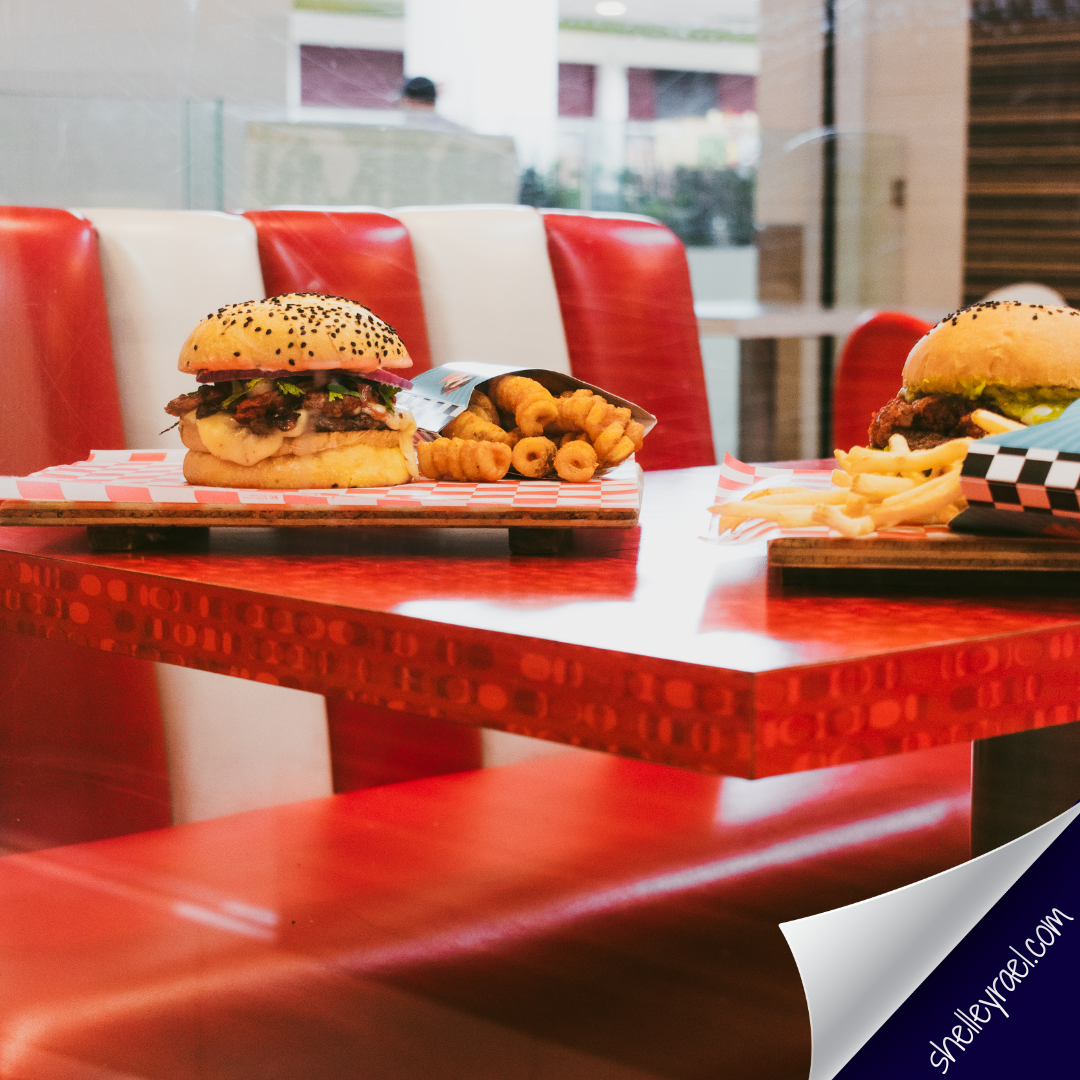
It simply means grilled options are often a useful choice when looking to reduce calories and saturated fat.
Don’t Forget About Sodium
Sodium is often the nutrient people overlook when evaluating fast food.
Many sandwiches, fries, sauces, processed meats, cheeses, and condiments contribute significant amounts of sodium.
A few ways to reduce sodium include:
Ordering smaller portions
Limiting extra sauces
Choosing grilled proteins over processed meats
Skipping bacon
Using less dressing
Avoiding additional salt packets
No, sea salt is not lower in sodium than regular table salt.
Salt is salt when it comes to sodium content.
What About Salads?
People often assume salads are automatically healthier.
Sometimes they are.
Sometimes they are not.
A salad loaded with fried chicken, bacon, cheese, croutons, and a large amount of dressing can easily rival a sandwich in calories and sodium.
That does not make the salad a bad choice.
It simply means it is worth looking beyond the word “salad” and considering the entire meal.
Fast Food and Real Life
One thing I think we sometimes forget in nutrition discussions is that people live real lives.
People travel.
People work long shifts.
People have children with activities.
People find themselves in airports, on road trips, and grabbing lunch between meetings.
Sometimes fast food is the practical option.
Rather than pretending these situations do not exist, I think it is more helpful to learn how to navigate them.
The goal does not need to be finding the “healthiest” item on the menu.
The goal can simply be to make a choice that feels reasonable in that moment.
Key Takeaways
Can fast food be healthy?
That depends on how we define healthy.
Can people make healthier choices when eating fast food?
Absolutely.
Portion size, beverages, toppings, preparation methods, and sides all influence the nutritional profile of a meal.
Most importantly, remember that nutrition is built on patterns over time.
One fast food meal is just one meal.
What matters most is the overall pattern of eating, not what happens during a single stop at a drive-thru.
Real World Nutrition Refreshed As nutrition science and perspectives evolve over time, older blog posts are occasionally updated and republished. This post was originally written in December 2022 and has been refreshed and expanded here.