Healthy Aging Starts Earlier Than You Think
Healthy Aging Starts Earlier Than You Think
When do you start thinking about healthy aging?
At 50?
60?
Maybe when someone starts calling you a "senior."
I think that's much too late.
Healthy aging isn't something we suddenly start doing when we get older. It's something we build throughout our lives.
That doesn't mean you need to have spent your 20s obsessing over longevity.
And it certainly doesn't mean you needed to start Botox at 25 because you were worried about aging.
You can have enjoyed your 20s.
You can have eaten too much pizza in college.
You can have stayed out too late.
You can have gone through periods when exercise wasn't a priority.
That's life.
But there is something to be said for recognizing that the things we do regularly over the course of our lives can influence how we feel, function, and move through those later years.
Healthy aging is really a lifelong commitment to balance and consistency.
And the earlier you build some of these habits, the more opportunity you have to benefit from them.
But if you're reading this at 40, 50, 60, or beyond, don't think, "Well, I should have started years ago."
Start now.
Healthy Aging Starts at Every Age
Here are some examples of what you can do with each decade of life.
In Your 20s and 30s
Build bone
Build muscle
Establish movement habits
Learn how to eat well
Protect your skin
Build relationships
In Your 40s and 50s
Maintain muscle and bone
Prioritize strength training
Pay attention to nutrition
Stay on top of screenings
Protect sleep and mental health
In Your 60s and Beyond
Maintain strength and mobility
Support bone health
Prioritize adequate protein and overall nutrition
Prevent falls and injuries
Maintain social and mental engagement
Continue preventive care
Here's the part I focus on so much more in my work and in my personal life.
Let's say we could tell you with absolute certainty that you'd live to 88.
Would you be satisfied with that number?
Maybe.
But I'd want to know something else.
What are those 88 years going to look like?
Because living to 88 isn't necessarily the same as living well to 88.
You could spend the last 10 or 15 years of your life dealing with significant disease, disability, pain, or limitations. You may need assistance with ADLs (activities of daily living) such as bathing, dressing, eating, and moving between chair, bed, and toilet.
Your Bones Are More Active Than You Think
Most people probably don't think much about their bones until they break one.
But bone is living tissue.
It is constantly being broken down and rebuilt through a process called bone remodeling. Two of the major players are osteoclasts and osteoblasts.
Osteoclasts break down and remove old bone.
Osteoblasts help build new bone.
When we're children and adolescents, the body generally adds more bone than it removes. Bones grow larger, heavier, and denser as we develop. In young, healthy adults, bone breakdown and rebuilding are generally more balanced. As we get older, that balance can shift, with more bone being removed than replaced.
I like to think of bone somewhat like a long-term savings account.
When you're younger, you're making deposits.
The more bone you build and maintain during those years, the more you have in the account later.
But what if you're past the primary bone-building years?
You haven't missed your opportunity to do anything.
You can't go back and rebuild the bone you didn't build at 20, but you can still support your bones through weight-bearing and resistance exercise, adequate nutrition, and other healthy behaviors. Physical activity can help support bone health and reduce age-related loss of muscle and strength.
And I want to make this very clear:
Healthy aging isn't about going back and changing the past. It's about influencing what happens next.
Then There's Muscle
Muscle gets a lot of attention when discussing longevity for good reason.
As we age, we can lose muscle mass, strength, and physical function. Age-related loss of muscle and function is often referred to as sarcopenia.
But there's another concept that matters too:
Deconditioning.
You don't need a disease to lose strength and physical function.
If you stop using your muscles, they adapt to what you're asking them to do.
Or, more accurately, what you're not asking them to do.
That's the "use it or lose it" concept.
If you spend months sitting more because of an injury, illness, or sedentary lifestyle, you can become weaker and less conditioned.
The good news is that your body can respond when you start using it again.
Resistance training is one of the best tools we have for maintaining muscle strength and function as we age.
You don't have to become a competitive weightlifter.
You need to challenge your muscles regularly.
That might mean weights, resistance bands, machines, bodyweight exercises, or other forms of resistance.
The goal is to maintain your ability to do things.
Carry groceries.
Get up from the floor.
Climb stairs.
Travel.
Garden.
Play with your grandchildren.
Move furniture when you decide your living room needs rearranging for the 15th time.
And this one is what I think of all the time: get up from a chair, specifically the toilet, without help.
Muscle isn't just about appearance.
Muscle is about function.
Nutrition Is Part of the Foundation
Healthy aging also requires adequate nutrition.
That doesn't mean following a special "anti-aging diet."
It means consistently giving your body the nutrients it needs.
Eat a varied diet.
Include fruits and vegetables.
Choose whole grains and other high-fiber foods.
Include beans, nuts, and seeds.
Get adequate protein.
Include sources of calcium and vitamin D as appropriate.
Eat foods that provide the vitamins, minerals, and other compounds your body needs.
And don't forget about hydration.
No single food will keep you healthy as you age.
There is no magic longevity ingredient.
And you don't need to chase every new "superfood" that shows up on social media.
Variety matters much more than finding one magical food.
Protein deserves particular attention because maintaining muscle becomes increasingly important as we age.
But that doesn't mean protein needs to take over your entire diet.
We need carbohydrates.
We need fats.
We need vitamins and minerals.
We need fiber.
We need protein.
We need many different nutrients and food components working together.
Nutrition is a team sport.
Physical Activity Is More Than Exercise
When people hear "physical activity," they often picture a gym.
That's one option.
But physical activity also includes walking, gardening, dancing, biking, hiking, swimming, playing with your kids, doing housework, and generally moving throughout the day.
And ideally, we want a combination of aerobic activity, muscle strengthening, and activities that support balance and mobility as we age.
The World Health Organization recommends adults get at least 150 minutes of moderate-intensity activity each week, along with muscle-strengthening activities on two or more days per week,
But don't get hung up on the number if you're starting from zero.
Some activity is better than none.
Start where you are.
Build from there.
And keep going.
Keep Your Brain Active, Too
Your body isn't the only thing that benefits from being used.
Your brain needs stimulation, too.
Learn something new.
Read.
Take a class.
Try a new hobby.
Play an instrument.
Work on puzzles if you enjoy them.
Have conversations with people who don't necessarily think exactly like you do.
You don't need to buy an expensive "brain training" program.
Staying curious and continuing to learn throughout life can help you stay mentally engaged.
And we sometimes overlook another piece of brain health.
Stay Connected
Relationships matter.
Friends.
Family.
Coworkers.
Neighbors.
Community groups.
Volunteer organizations.
Hobbies.
Whatever connection looks like for you.
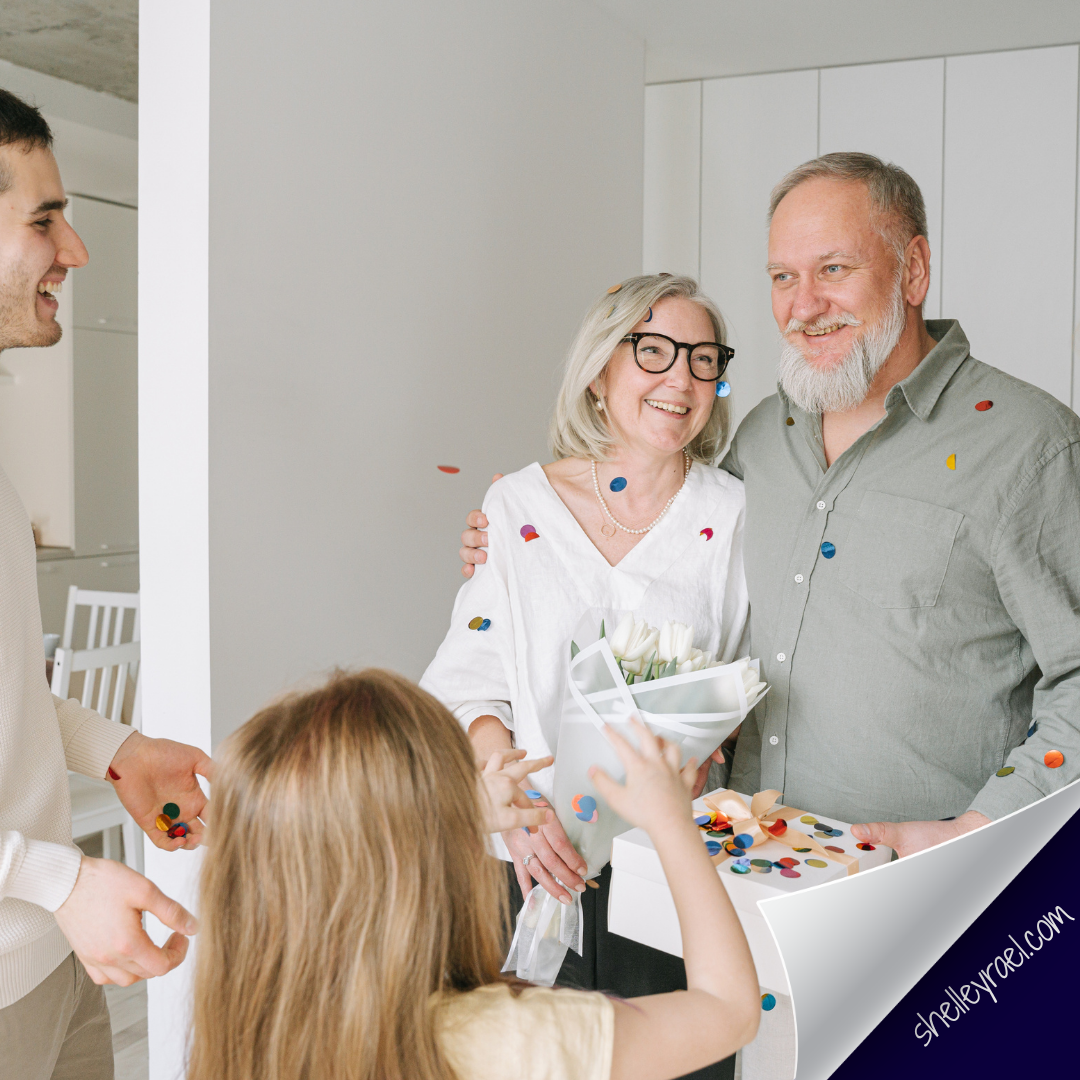
Social connection isn't just about having someone to call when you're lonely. Research increasingly recognizes social connection as an important part of physical and mental health, quality of life, and longevity.
And this is another reason not to wait until you're "older."
Build relationships now.
Maintain them.
Make new ones.
If your social circle changes because of work, moving, retirement, divorce, caregiving, or other life circumstances, look for new ways to connect.
You don't need 100 friends.
A few meaningful relationships can be incredibly valuable.
Consider diversifying your relationships across generations so you aren’t the last one left in your friend group. It is great to connect with and learn from those younger than us, just as much as it is to have peers.
Don't Underestimate Sleep
Sleep changes throughout life.
Children and teenagers generally need more sleep than adults. Sleep patterns can change during adulthood, and older adults may experience changes in sleep timing, nighttime awakenings, or sleep quality.
But getting older doesn't mean you should simply accept poor sleep as inevitable.
Pay attention to your sleep.
Maintain a reasonably consistent sleep schedule.
Create a sleep environment that works for you.
And if you're consistently struggling with sleep, snoring heavily, waking frequently, or feeling exhausted despite getting enough time in bed, talk with a healthcare professional.
Sometimes poor sleep is a symptom of an underlying problem that needs addressing.
Prevention Counts Too
Healthy aging isn't only about what you eat and how much you exercise.
Prevention is important.
Keep up with recommended health screenings.
Stay current on appropriate vaccinations. Recommendations can change, and you may be due for some you didn’t realize, like shingles and pneumonia.
Know your blood pressure and other health measures when appropriate.
Address health problems instead of ignoring them.
Wear your seatbelt.
Wear a helmet when appropriate.
Use sunscreen.
Don't drive impaired (that’s more than just alcohol).
Take steps to prevent falls as you get older.
Protect your hearing.
Take care of your teeth.
Some of these things sound almost painfully obvious.
That's because they are.
Healthy aging isn't necessarily about discovering some obscure longevity hack.
Sometimes it's about consistently doing the boring things that protect your health.
You Don't Have to Do Everything at Once
This is where I think the idea of healthy aging can become overwhelming.
If you look at the entire list, it can sound like a lot.
Eat well.
Exercise.
Strength train.
Sleep.
Manage stress.
Maintain relationships.
Get screenings.
Protect your skin.
Protect your bones.
Protect your brain.
Drink enough water.
And on and on.
You don't need to transform your entire life on Monday morning.
Pick something.
Maybe you start strength training twice a week.
Maybe you start eating more protein at breakfast.
Maybe you take a walk after dinner.
Maybe you make an appointment you've been putting off.
Maybe you call a friend you haven't talked to in months.
Small changes that become regular habits are much more useful than a dramatic plan you abandon three weeks later.
And No, You Don't Need to Regret Your Past
I want to come back to this because I get people who beat themselves up about past choices.
The “shoulda, coulda, woulda” mindset.
If you're 50 and thinking, "I should have taken better care of myself when I was 25," you can't change that.
If you're 65 and thinking, "I should have started strength training years ago," you can't go back.
But you can start now.
Your body is still responding to what you do today, right now.
Maybe you won't undo every consequence of the past.
That's not the goal.
The goal is to support the health and function you have now and give your future self the best opportunity you can.
Healthy Aging Is About Balance
I don't want healthy aging to become another reason to feel guilty about food, exercise, appearance, or how you've lived your life.
We don't need to live in a bubble.
We don't need to avoid every risk.
We don't need to eat only foods labeled "healthy."
We don't need to exercise every day.
We don't need to spend our entire lives trying to look younger.
Aging is going to happen.
The goal isn't to stop it.
The goal is to age with as much health, function, independence, and enjoyment as we can.
That means caring for your bones and muscles.
Eating a varied diet.
Moving your body.
Keeping your brain engaged.
Maintaining relationships.
Getting enough sleep.
Taking care of your mental health.
Keeping up with preventive care.
And making room for the things that make life worth living.
Healthy aging isn't a project you start when you get old.
It's something you build, little by little, throughout your life.
And wherever you are right now is a perfectly reasonable place to start.
Sources and further reading:
NIH National Institute of Arthritis and Musculoskeletal and Skin Diseases (NIAMS) What Is Bone?
World Health Organization (WHO)
Additional Articles: