
Mediterranean Diet: A Simple Guide to Starting Fresh This Summer
Mediterranean Diet: A Simple Guide to Starting Fresh This Summer
May is Mediterranean Diet Month, so what better time to rethink what “healthy eating” looks like? Many people tell me they follow a Mediterranean Diet, and then we take a closer look, and they aren’t, even though they think they are. Since it is usually only olive oil and red wine that get the spotlight, you may be surprised how many people believe that is what, or all, it entails. But there’s so much more to it.
The Mediterranean Diet isn’t a strict “diet” or trendy meal plan. It’s more of a lifestyle deeply rooted in the culture, climate, and culinary traditions of countries bordering the Mediterranean Sea, including Greece, Italy, Spain, Turkey, southern France, Morocco, and Lebanon. So many types of cuisines fit into the Mediterranean Diet approach.
Consider that in the U.S., we have different cuisines in different parts of the country, from New England, the South, along the Gulf of Mexico, to Texas and the Midwest, the Southwest, California, the Northwest, and, of course, the very different cuisines of Alaska and Hawaii. Imagine people considering only one of those cuisines to represent the entire country!
The Mediterranean eating style isn’t just about what you eat; it’s about how you eat, who you eat with, and even why you eat. The Mediterranean Diet consistently ranks at the top of “best diets” lists (often alongside the DASH Diet) because it supports heart health, reduces inflammation, promotes longevity, and is genuinely enjoyable and sustainable.
Why Is It So Popular—and So Good for Us?
Year after year, the Mediterranean Diet earns top marks for its:
Heart Health Benefits – Thanks to its emphasis on unsaturated fats (like olive oil, nuts, and fatty fish) and reduced intake of processed foods and red meats.
Anti-inflammatory Properties – With its rich variety of vegetables, fruits, whole grains, legumes, and omega-3s, this style helps lower chronic inflammation.
Longevity and Disease Prevention – Linked to lower rates of heart disease, diabetes, cognitive decline, and even some cancers.
Simplicity and Flexibility – No calorie counting, macros, or food scales, just real food, enjoyed regularly.
Cultural Connection – Meals are slower, social, and celebratory, not rushed or restrictive.
Core Tenets of the Mediterranean Lifestyle
The Mediterranean Diet isn’t just food—it’s a full approach to living well. Here’s what it generally looks like:
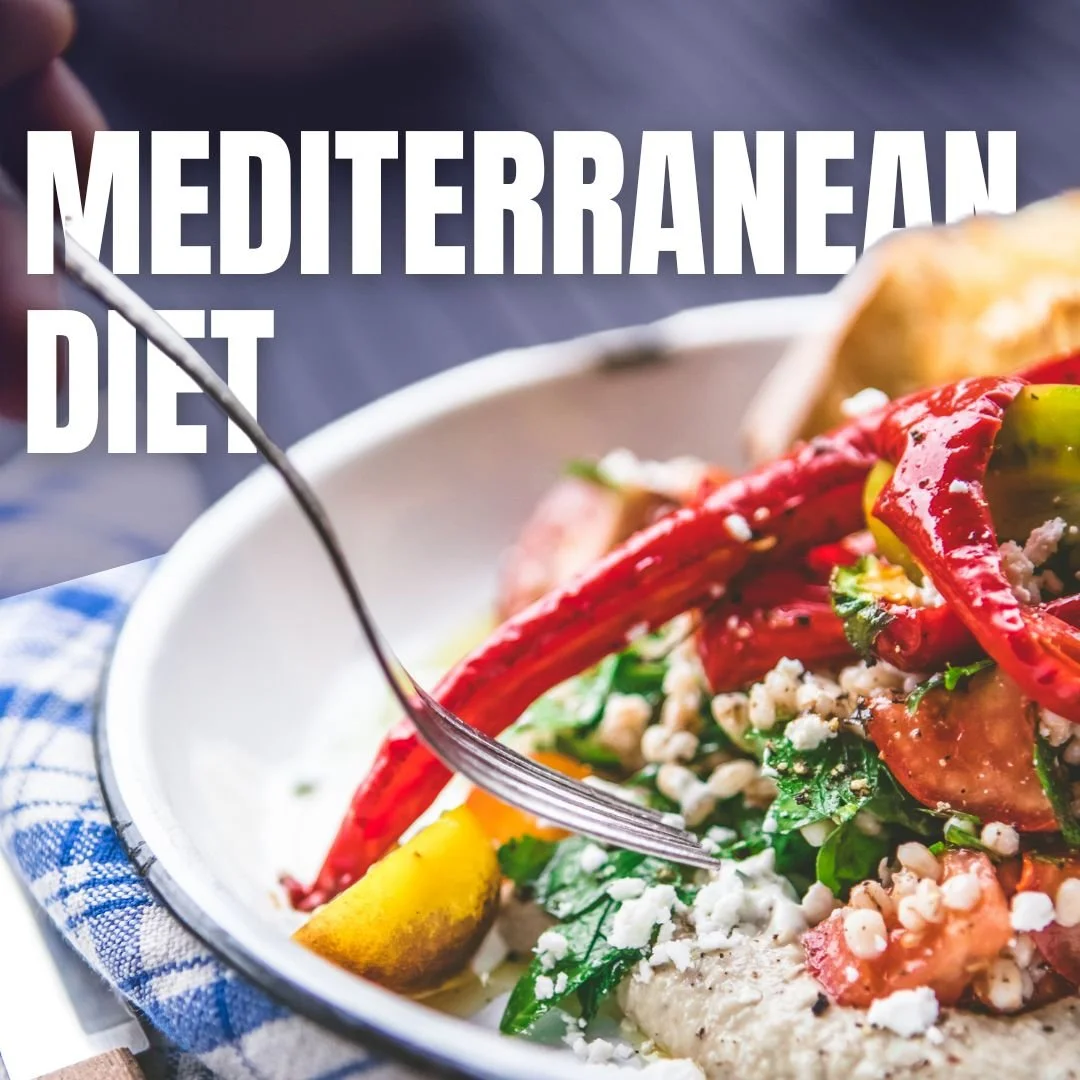
Plenty of Vegetables and Fruits: At nearly every meal. I must tell almost everyone I work with to get more fruits and vegetables.
Whole Grains: Think farro, barley, whole wheat pasta, and brown rice. Yes, they eat grains, and plenty of them.
Legumes and Nuts: Beans, lentils, chickpeas, almonds, and walnuts are staples.
Healthy Fats: Primarily extra virgin olive oil, with avocado and nuts in supporting roles.
Seafood and Lean Proteins: Fish a few times a week, poultry in moderation. I think in the U.S., it is the opposite, and many don’t even get fish once a week.
Dairy: Mostly yogurt and cheese, in modest portions. None of these nut milks.
Red Meat and Sweets: Enjoyed sparingly. As in a few times a month, at most.
Wine in Moderation: Typically with meals, if at all.
Herbs and Spices: Flavorful and abundant, with little reliance on salt.
Mindful Meals and Movement: Meals are shared and savored, not rushed. Daily activity is natural and consistent.
Making It Work in the Real World
Let’s be honest: taking a leisurely 6- to 12-week summer holiday in the south of France or a coastal Greek village sounds amazing, but it’s not realistic for most of us in the U.S. Our fast-paced schedules, limited vacation time, and culture of convenience work against that lifestyle. Just try to do business in the E.U. in the summer – it feels like everyone is on vacation until September.
But we can borrow elements of the Mediterranean lifestyle that work for us:
Start with the Plate
Add a serving of vegetables to lunch and dinner.
Use olive oil as your go-to fat for cooking or dressings.
Include legumes or whole grains in at least one meal per day.
Rethink Protein
Swap a meat-centered meal for grilled salmon or sardines.
Use beans or lentils as your main dish a few nights each week.
Snack Smarter
Choose a handful of nuts and fresh fruit over chips or candy.
Opt for plain yogurt with berries instead of sugary desserts.
Eat Mindfully
Make meals an event. Sit down, reduce distractions, and enjoy your food.
Invite others to the table, even if it’s virtual. Sharing meals helps with satisfaction and connection.
Build in Movement
Walk after meals.
Garden, dance, stretch—anything that gets you moving naturally.
Think: Mediterranean-Inspired, Not Mediterranean-Perfect
You don’t need to uproot your life to get the benefits of this style of eating. Think “Mediterranean-inspired” rather than a strict set of rules. Add more color to your plate, choose real foods more often, slow down your meals, and look for ways to make food a joyful part of your day.
If you’re looking for a place to start fresh this summer (or anytime really), the Mediterranean Diet just might be the sustainable shift that sticks, especially in a season of abundance of fresh fruits and veggies.