
Building a Heart-Healthy Plate Without Overthinking It
Building a Heart-Healthy Plate Without Overthinking It
People often make healthy eating sound far more complicated than it needs to be.
Especially when it comes to heart health.
There is this idea that building a healthy meal requires expensive ingredients, hours in the kitchen, bland food, or some unrealistic level of organization.
And honestly? That mindset alone stops many people before they even start.
So, let’s simplify this.
A heart-healthy eating pattern does not require specialty products, complicated recipes, or giving up foods you enjoy. It is about building balanced meals more consistently over time.
Not one meal. Not one week. Not one “clean eating” phase.
Patterns.
What Does “Heart-Healthy” Actually Mean?
When people hear heart health, they often think only about cholesterol.
But heart health includes much more than that.
It also includes:
Blood pressure
Triglycerides
Blood sugar regulation
Inflammation
Weight trends over time
Physical activity
Smoking and alcohol habits
Stress and sleep
Food is one piece of the puzzle, and an important one because we eat every day.
And heart health is influenced by years and decades of habits, not by a single restaurant meal or a holiday weekend.
“Healthy Eating Is Too Expensive”
This is one of the most common concerns.
And yes, food prices are high right now.
But healthy eating does not require shopping exclusively at specialty stores or buying expensive “health” products.
Some of the most affordable heart-healthy foods include:
Beans
Oats
Brown rice
Frozen vegetables
Potatoes
Canned tuna or salmon
Eggs
Seasonal produce
You do not need exotic ingredients or trendy powders.
You also do not need to buy everything (or anything) organic or shop at stores with premium, or what I call “pretentious,” pricing.
Simple foods work just fine.
“Healthy Eating Takes Too Much Time”
It can.
But it does not have to.
Some people enjoy meal prepping entire weeks of meals. Others do better with basic meal planning and keeping staple foods available.
There is no single right way to organize meals.
One approach is to think in terms of frameworks instead of recipes.
For example:
A protein source
A vegetable or fruit
A fiber-rich carbohydrate
A healthy fat
That alone creates a balanced meal.
Rotisserie chicken, frozen vegetables, and microwavable brown rice count.
Convenience does not automatically make something unhealthy.
“Healthy Food Doesn’t Taste Good”
This one always makes me laugh a little.
Healthy food does not need to be bland.
Using herbs, spices, citrus, garlic, onion, vinegar, salsa, and seasoning blends can add tremendous flavor without relying entirely on sodium or heavy sauces.
And honestly, many people simply are not used to cooking.
That is not criticism. It is reality.
When people learn basic cooking skills and seasoning combinations, healthy meals become much more enjoyable.
The Mediterranean and DASH Approaches
Two eating patterns consistently associated with heart health are the Mediterranean approach and DASH. And these are consistently rated among the best diets year after year.
Mediterranean Approach
This pattern emphasizes:
Vegetables and fruits
Beans and legumes
Whole grains
Nuts and seeds
Seafood
Olive oil
Moderate portions of meat and dairy
It is not just about olive oil and red wine. It is an overall lifestyle and eating pattern.
DASH
DASH stands for Dietary Approaches to Stop Hypertension.
It was specifically developed to help reduce blood pressure and focuses on:
Fruits and vegetables
Lower sodium intake
Whole grains
Lean proteins
Low-fat dairy
Foods rich in potassium, calcium, and magnesium
These two approaches overlap quite a bit.
And neither requires complicated meals.
A Simple Heart-Healthy Plate
A balanced plate can be surprisingly simple.
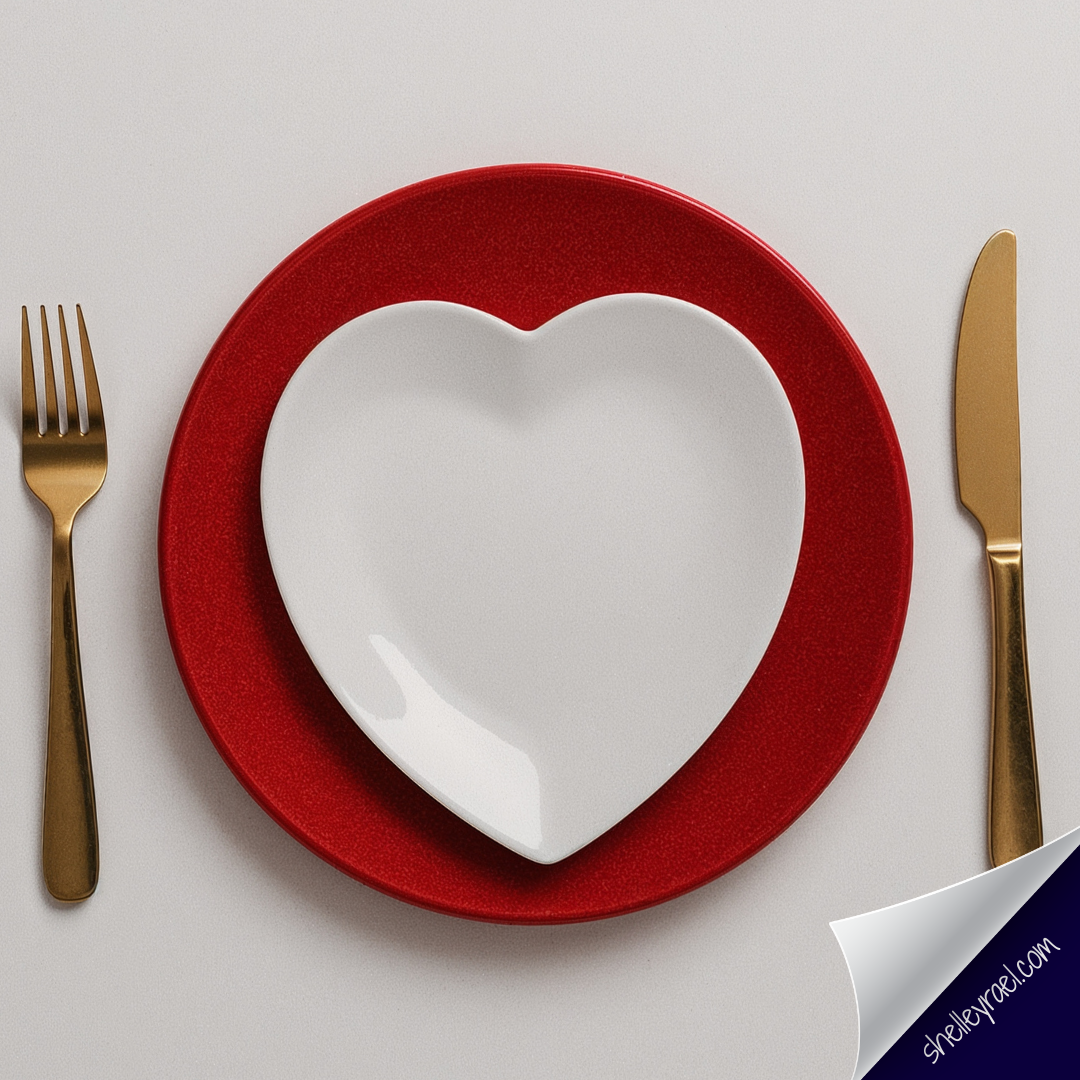
Think:
Half vegetables or fruit (leaning to more veggies)
One-quarter protein
One-quarter fiber-rich carbohydrate
Some healthy fat included naturally or added
This is not meant to be rigid.
It is a visual framework.
Five Simple Heart-Healthy Dinner Ideas
1. Grilled Chicken Bowl
Grilled chicken breast
Brown rice or quinoa
Roasted broccoli and carrots
Olive oil and lemon
2. Beef and Vegetable Stir Fry
Lean sirloin strips
Bell peppers, onions, and snap peas
Brown rice
Garlic, ginger, and low-sodium soy sauce
3. Salmon and Potatoes
Baked salmon
Roasted baby potatoes
Asparagus or green beans
Side salad
4. Black Bean Taco Bowls
Black beans
Brown rice
Lettuce, tomato, salsa, avocado
Corn and peppers
Optional: sprinkle of cheese or plain Greek yogurt.
5. Hearty Summer Salad
Mixed greens
Grilled chicken or chickpeas
Strawberries or blueberries
Cucumbers and tomatoes
Nuts or seeds
Light vinaigrette
Simple Grocery List Framework
If you want to make the five meals noted above, here is a simple grocery list framework. Swap out for preferred proteins and different vegetables if you wish.
Proteins
Chicken breast
Lean beef sirloin
Salmon or other fish
Black beans
Eggs
Greek yogurt
Vegetables
Broccoli
Bell peppers
Salad greens
Carrots
Cucumbers
Tomatoes
Asparagus
Fruits
Berries
Apples
Citrus
Whole Grains and Fiber-Rich Carbohydrates
Brown rice
Quinoa
Oats
Whole-grain tortillas
Healthy Fats
Olive oil
Nuts or seeds
Avocados
Simple Grocery Shopping Tips to Make Healthy Eating Easier
Healthy eating often starts before you even get home from the store.
A few small habits can help save time, reduce stress, and make it easier to stick to a plan.
Keep a running grocery list. Add items as you run out so you are not trying to remember everything at the last minute.
Plan a few meals before shopping. You do not need an entire week mapped out, but having a basic idea helps avoid random purchases and wasted food.
Shop at less busy times if possible. Early mornings or later evenings are often less crowded and less stressful.
Consider curbside pickup. This can help reduce impulse purchases and save time during busy weeks.
Use frozen and canned foods when helpful. Frozen vegetables, canned beans, and canned fish can make healthy meals faster and more affordable.
Do not shop overly hungry. Most people tend to buy more convenience foods and snacks when they are starving.
Healthy eating does not require complicated grocery shopping. A little planning can make things much easier.
This Is a Framework, Not a Rulebook
These meals are examples.
They can absolutely be adjusted based on:
Budget
Preferences
Cultural food traditions
Cooking skills
Family needs
Someone who dislikes salmon can use another fish. A vegetarian can swap beans or tofu into most of these meals.
The goal is not to eat the exact same foods.
The goal is to create balanced meals more consistently.
Key Takeaways
Heart-healthy eating does not need to be expensive, time-consuming, or bland.
Simple meals built around vegetables, protein, fiber-rich carbohydrates, and healthy fats can support heart health over time.
Mediterranean and DASH-style eating patterns emphasize balance, variety, and consistency rather than restriction.
Meal planning does not need to be complicated. Having a basic framework can make healthy eating far more manageable.
Most importantly, heart health is influenced by long-term habits and overall lifestyle patterns, not individual meals or occasional indulgences.