Real World Nutrition News You Can Use
There is a lot of misinformation about nutrition. And nothing in this field is black-or-white, yes-or-no, but many shades of gray and a lot of “it depends.” So, my goal is to help clear up some of that misinformation with some snark, entertainment, and facts (with some opinion thrown in).
Many of these topics come from interactions with the public, friends, clients, and students. I see sheer misinformation about the science of nutrition, and I do my best to clear things up one blog post at a time.
If you have a topic you are wondering about, let me know.
Looking for a specific topic? Search to see if it is already here.
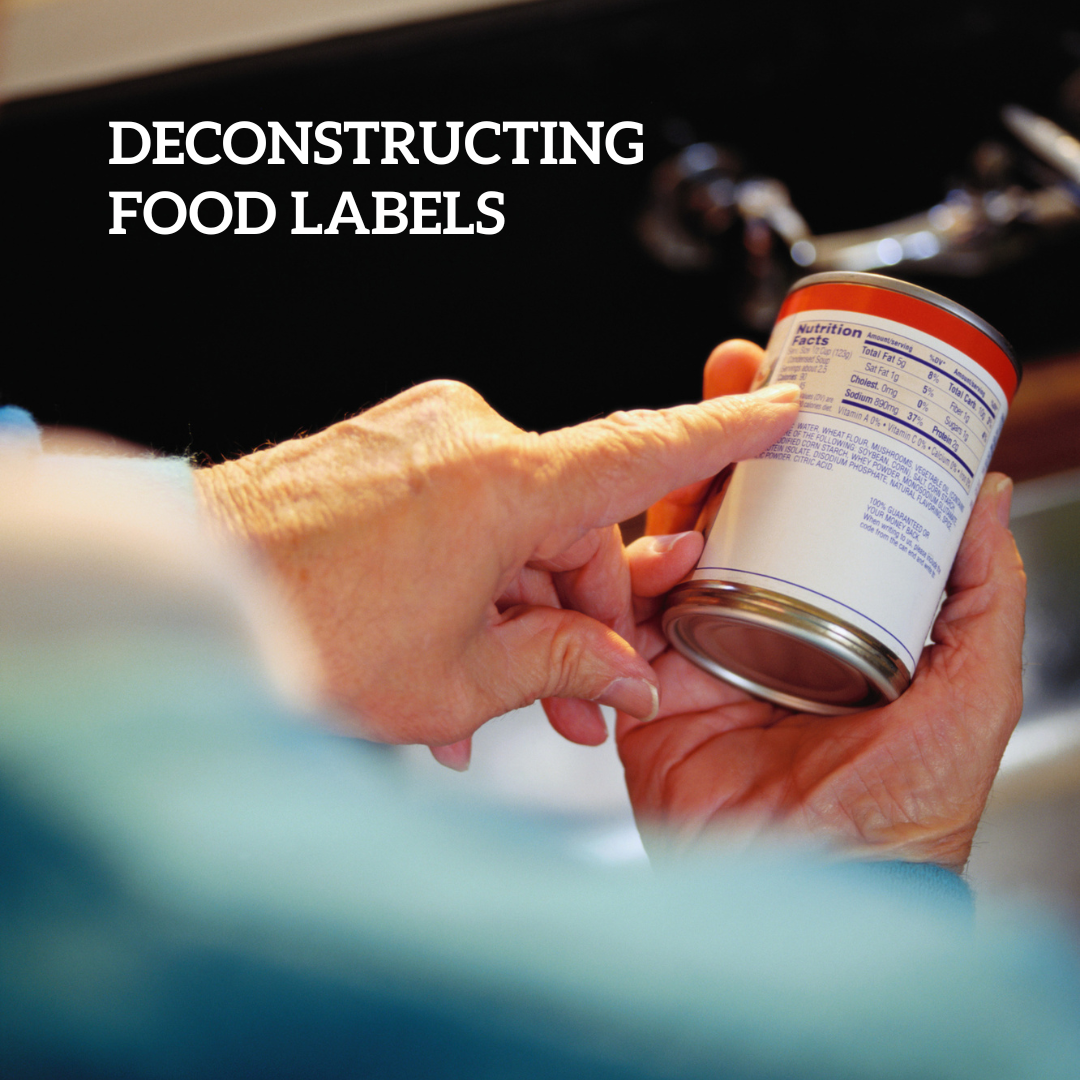
Deconstructing Food Labels – Part 1: Required Information
Food labels carry a lot of information, but not all of it is optional. Here’s what must appear on every food package by law and why it matters.
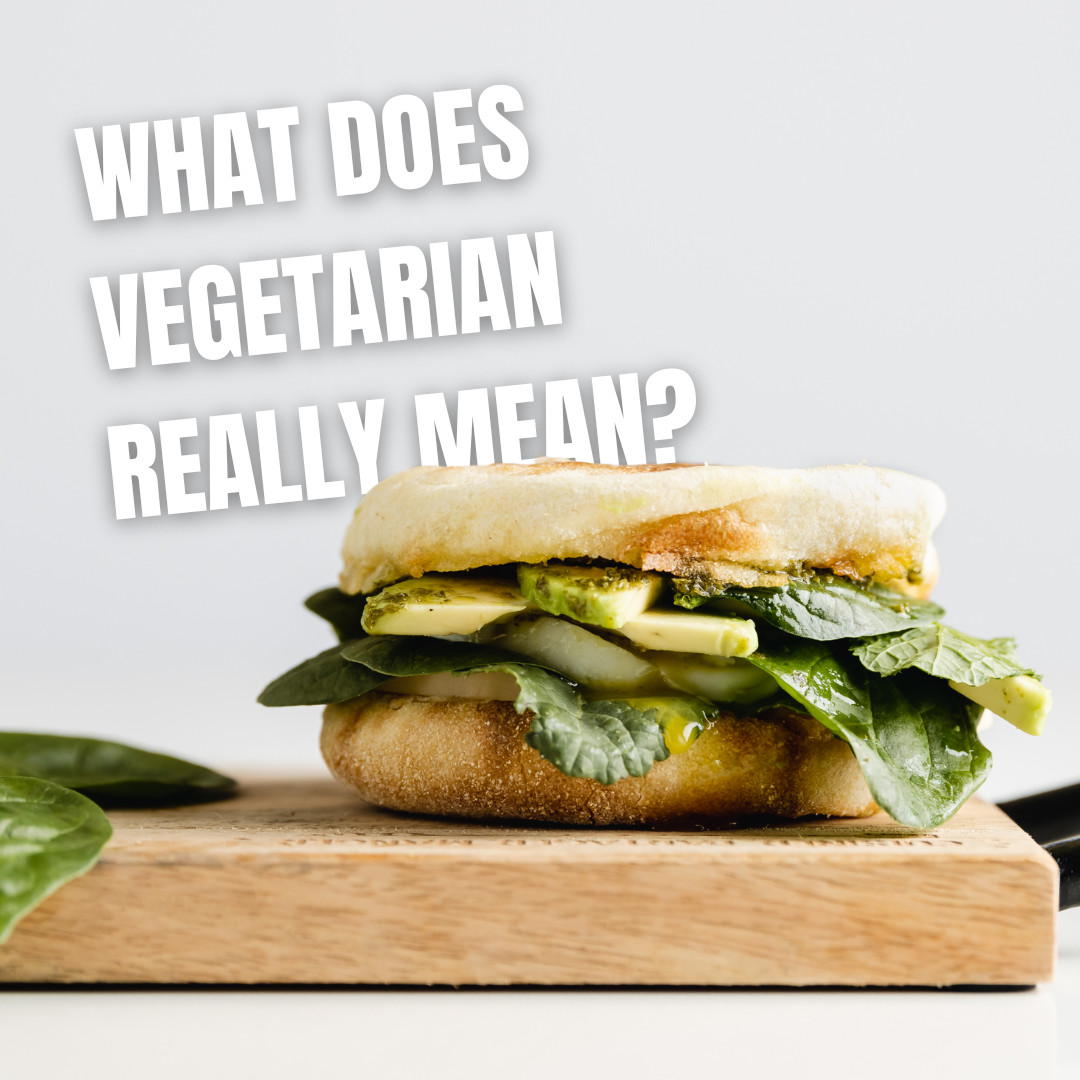
What Does Vegetarian Really Mean?
Vegetarianism is more than skipping meat. Here’s what it really means, how plant-based fits in, and the different ways people follow a vegetarian diet.

Seasonal Fruits and Vegetables: Eating with Health and Flavor in Mind
Eating more fruits and vegetables doesn’t have to be complicated. Discover how seasonal produce can elevate your meals, support your well-being, and make plant-forward eating effortless and enjoyable.
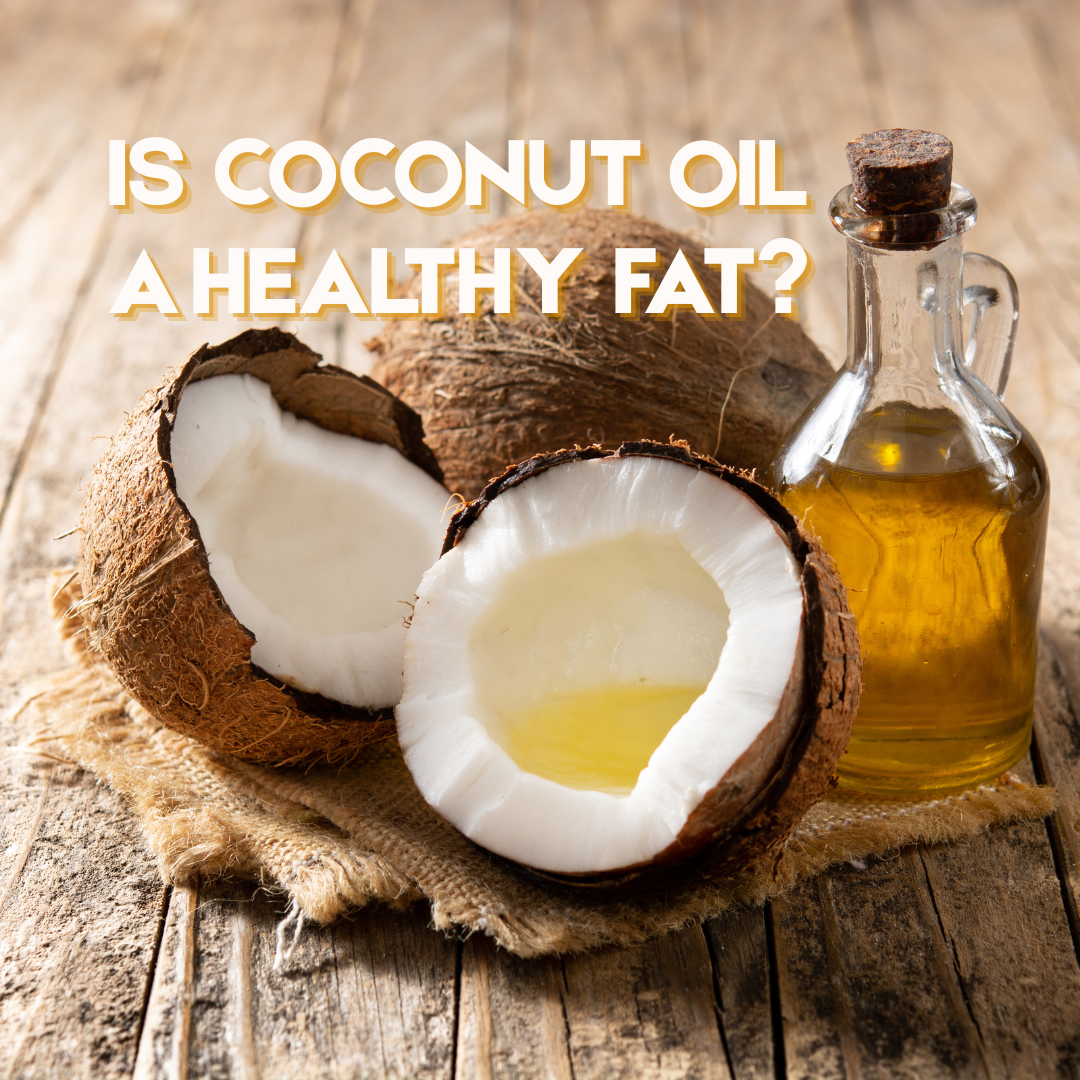
Is Coconut Oil a Healthy Fat? Separating Fact from Fiction
Coconut oil is often promoted as a healthy fat with a range of benefits. This article breaks down the facts, explores its impact on cholesterol and heart health, and explains why moderation matters.

Whole Grains: Why They Matter and How to Eat More of Them
Whole grains are linked to better health, but food labels can make things tricky. Here’s how to cut through the confusion and choose whole grains that actually benefit your health.

Better Breakfast: How to Start Your Day with Balance and Real Fuel
Is your breakfast helping you or just giving you a sugar crash? Here’s what makes a better breakfast, plus practical ideas for energy, focus, and long-term health.

Is It Really Your Genes?
Genes matter, but they are not the full story. While family history contributes to disease risk, lifestyle choices have a much larger impact. Here’s why your daily habits matter more than your DNA.

Rising Obesity Rates and Sedentary Lifestyles
Obesity rates in the U.S. have climbed from 15% in 1980 to over 42% today. Food plays a role, but it is not the only factor. Technology, lifestyle shifts, and cultural changes have influenced the way we move, eat, and live.
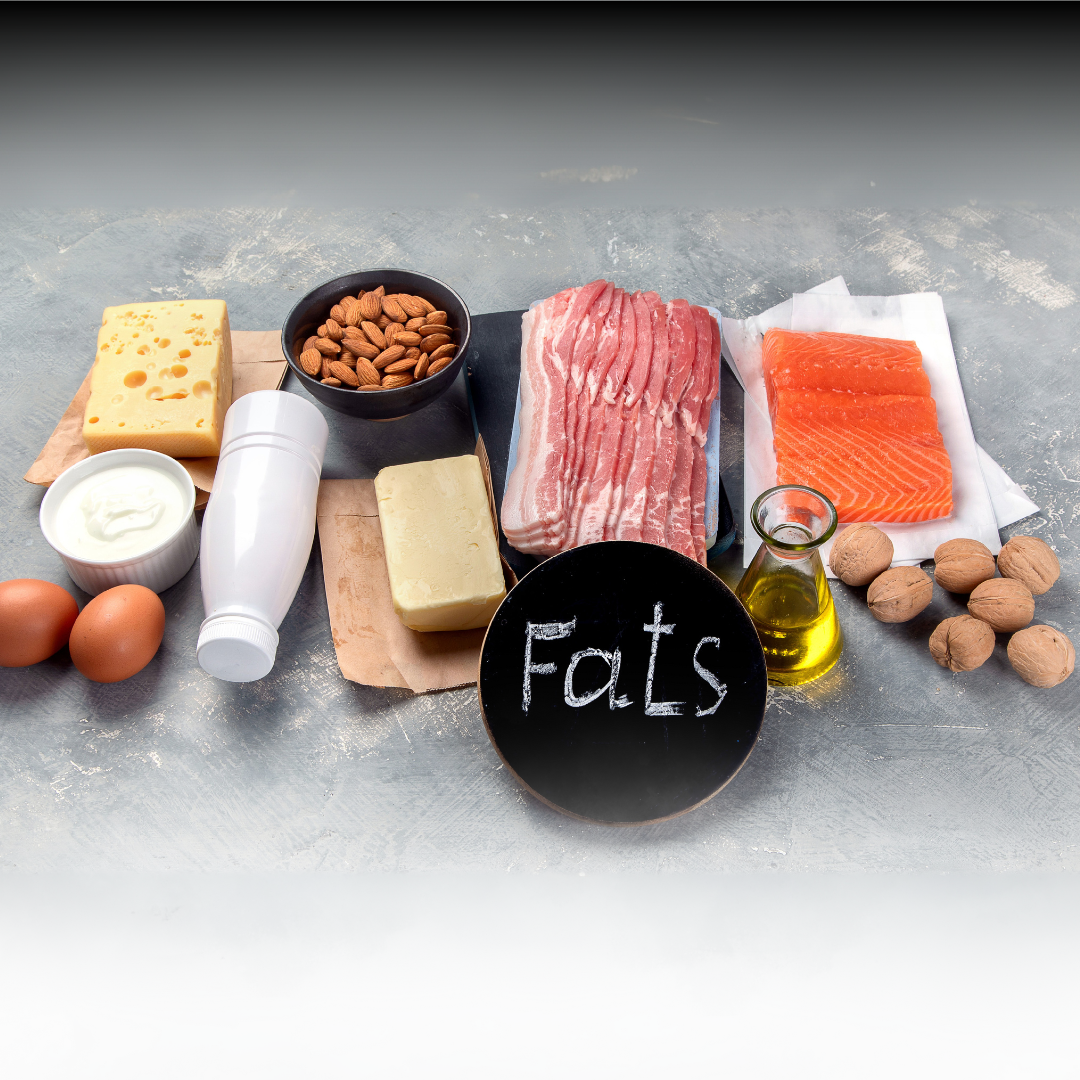
Fat Facts: Why We Need It and Why Type Matters
Fat often gets labeled as unhealthy, but it’s essential for health. Discover the role of fat in the body, the different types, and what happens with too little or too much.

Changes Happen All the Time
Change is everywhere—fashion, technology, social norms, even medicine. So why do people resist nutrition recommendations when they evolve too?
Dietary Guidelines Myths & Misinfo
The Dietary Guidelines for Americans are often misunderstood. Here’s the real story on myths like “they’re rules,” “they caused obesity,” and more.

Salt: Why Your Body Needs It—But Not Too Much
Salt isn’t just a seasoning—it’s essential for health. Discover why your body needs it, what happens when you get too little, and the risks of getting too much.

Vitamin B?
“Vitamin B” isn’t just one vitamin but eight. Do you really need a supplement, or are you already getting enough from food? Here’s what to know.
Why Do We Have Dietary Guidelines? A Look Back at the History
The Dietary Guidelines for Americans shape more than just advice—they guide school lunches, senior meals, and public health programs. Here’s how they began, why they’re updated, and highlights from 2020–2025.
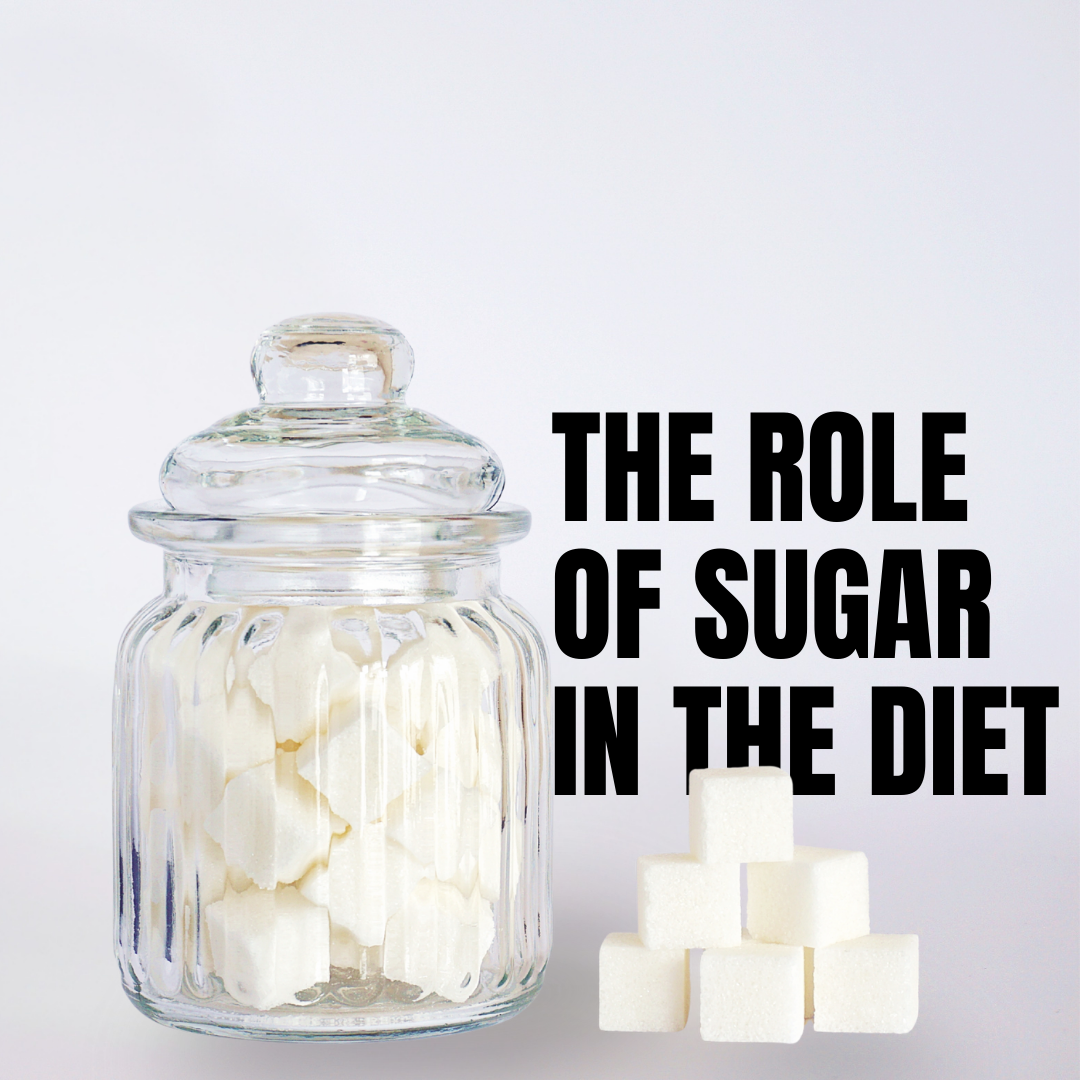
The Role of Sugar in the Diet: Friend, Foe, or Something in Between?
Sugar often gets a bad reputation, but the truth is more nuanced. Learn why sugar is essential, what happens when we don’t get enough, and how excess can be harmful.
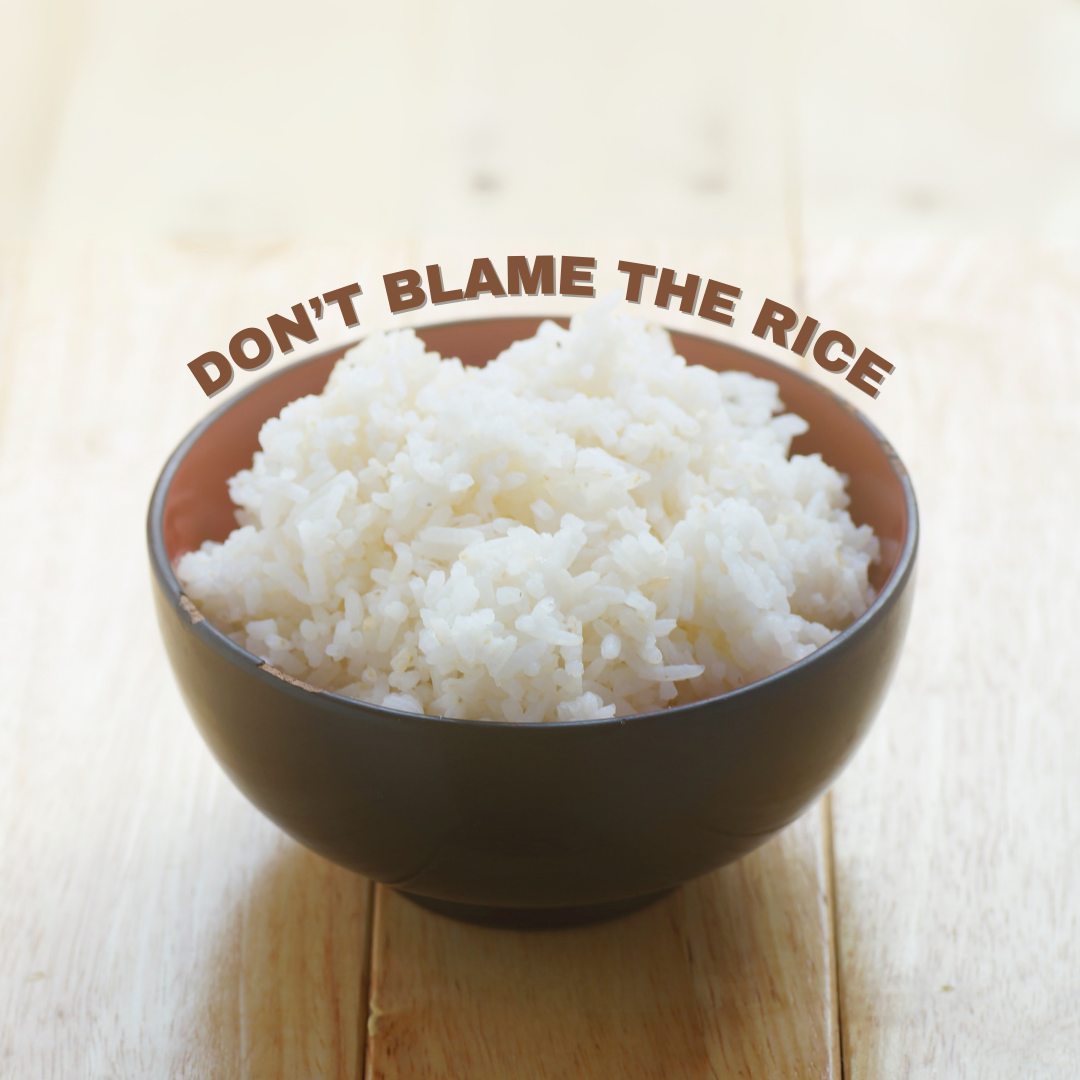
Don’t Blame the Rice
Rice often gets demonized as “bad carbs.” The truth? Rice is not the enemy. Here’s what you need to know about its nutrition, resistant starch, and role in a balanced diet.

Do You Need to Cut Out Sugar? What to Know First
Before cutting sugar completely, it helps to understand the difference between added and natural sugars, what moderation means, and what the science actually says about sugar and health.
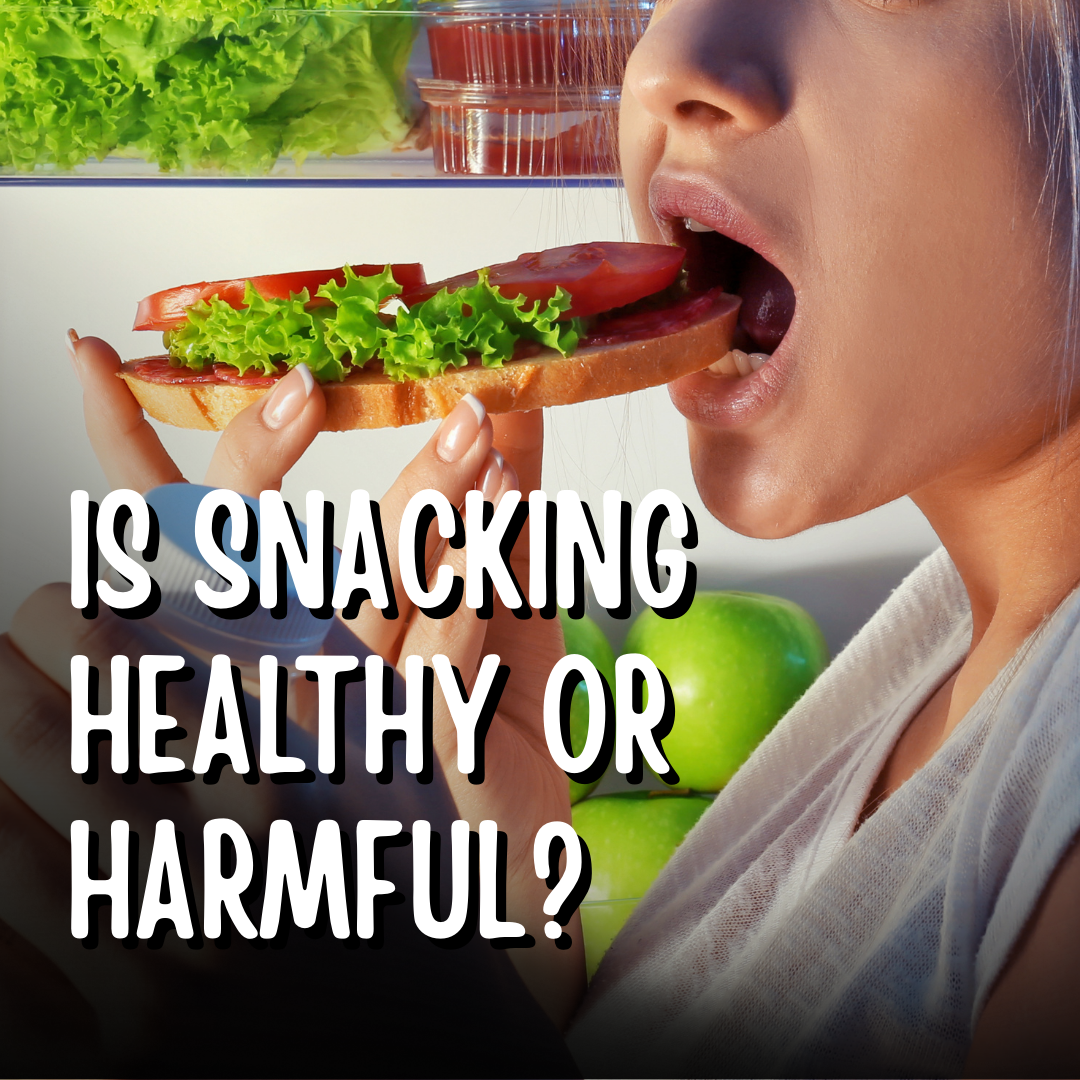
Is Snacking Healthy or Harmful?
Snacking has a reputation for being either the hero or the villain in a healthy eating plan. The truth is, it can be both. Here’s how to know when snacks work for you and when they don’t.

Foods Don’t Always Nicely Fit Into the Food Groups
Ever wonder what food group mushrooms, olives, or oat milk belong to? Some foods just don’t fit the traditional categories. Here’s why that’s normal and why your overall eating patterns matter more than labels.
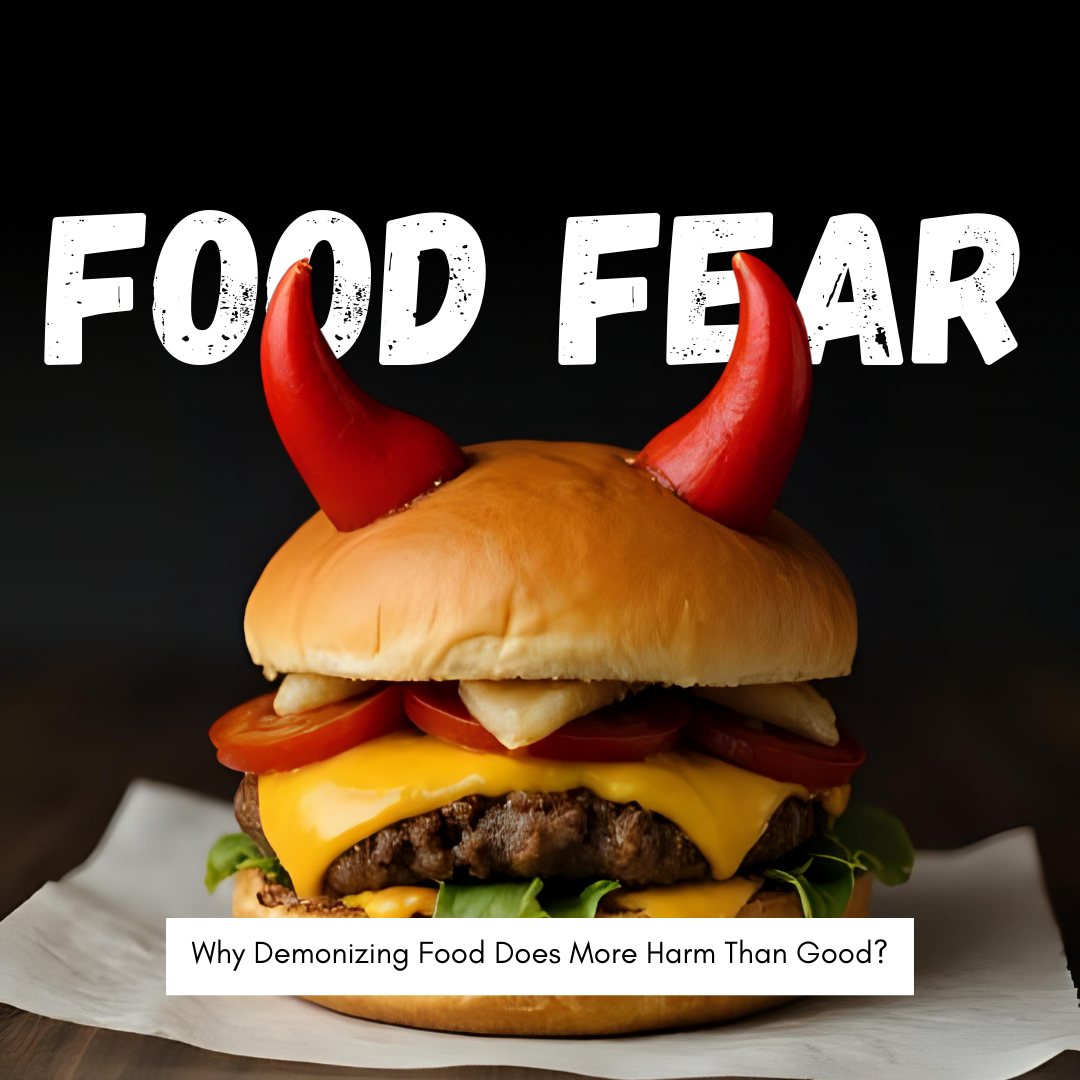
Food Fear: Why Demonizing Food Does More Harm Than Good?
Food fear is real, but the truth is that no single food is to blame for diabetes, cancer, or heart disease. What matters most is your long-term eating pattern, lifestyle, and family history.