
Why Beans Deserve a Place on More Plates
Why Beans Deserve a Place on More Plates
Where I live, in New Mexico, beans are just part of life, the culture that people just don’t think about. Taken for granted. That and chile. Beans are comfort food and, along with red or green chile, are served with many meals.
Bean FAQs: Quick Answers
Are canned beans as healthy as dried beans?
Yes. Both are nutritious choices. Canned beans offer convenience, while dried beans are often less expensive. If you’re watching sodium, rinse canned beans or choose reduced-sodium varieties.
Which beans have the most protein?
Most beans provide about 7 to 9 grams of protein per half-cup serving. Soybeans (including edamame) are among the highest in protein, but black beans, pinto beans, kidney beans, chickpeas, and lentils are all excellent sources.
Do beans count as vegetables or protein?
They can count as either. Depending on how they’re used in your meal, beans can be considered part of the vegetable group or the protein foods group.
How can I reduce gas from eating beans?
Start with smaller portions, increase your intake gradually, rinse canned beans, discard the soaking water when cooking dried beans, and drink plenty of fluids. Many people find that digestive discomfort decreases as their bodies adjust to eating beans more regularly.
They are served in New Mexican restaurants, at family gatherings, during holiday meals, and at weeknight dinners. Pinto beans are a staple in many homes. They are often prepared from dried beans and eaten in a bowl with chile and a tortilla or oven bread, or served alongside enchiladas, rellenos, or huevos rancheros. It’s something your mom or grandma makes, and college kids look forward to, and making a pot of beans is just something done each week (or several times a week) year-round. Oh, and when it comes to the chile, if someone asks, “red or green?” – the official NM State Question, the official answer is “Christmas.” Though Christmas isn’t required. People do have their preferences.
But outside of regions where beans are part of the local food culture, they are sometimes overlooked. People may think of them as a side dish rather than a main ingredient or eaten only occasionally in chili or soup. That is unfortunate because beans are nutritious, extremely budget-friendly, and among the more versatile foods you can include in your eating patterns.
They can be included weekly, but several times a week would be better since they do have a lot to offer.
Beans Are Loaded With Nutrition
We refer to beans as nutrient-dense because they provide a combination of nutrients that many Americans don’t get enough of.
A typical one-half cup serving of cooked beans provides (varies based on the type of bean):
About 100 to 130 calories
Around 7 to 9 grams of protein
About 5 to 9 grams of fiber
Complex carbohydrates (a good thing for sustained energy)
Folate (one of the B vitamins)
Potassium
Magnesium
Iron
Zinc
One of the biggest benefits of beans is their fiber content. Most adults, in the U.S. at least, fall well short of the recommended daily fiber intake. Fiber is so important for our health, despite what people may suggest. It is beneficial for digestive health, helps maintain healthy blood cholesterol levels, supports blood sugar management, and helps you feel satisfied after eating.
Beans also provide plant protein, which contributes to your overall protein intake whether you eat meat regularly, occasionally, or not at all.
Are Beans a Vegetable or a Protein?
This is one of the most common questions people ask.
The answer is both. Because food groups are generalizations, some foods can straddle two food groups.
According to the dietary guidance in the United States, beans, peas, and lentils can count as either a vegetable or a protein, depending on how they fit into your overall meal.
For example:
Add pinto beans to a taco salad, and they contribute to both your vegetable intake and your protein.
Serve black beans alongside grilled chicken, and you can count the beans as your vegetable while the chicken serves as the primary protein.
Make a lentil soup or bean chili without meat, making beans the primary protein source.
This dual role as both a vegetable and a protein food is one of the selling points for promoting beans as part of a healthy eating pattern.
Beans Are One of the Best Grocery Values
Eating healthy can be expensive if someone chooses to go that way, shop at specialty stores, and insist on organic options.
But eating nutritiously does not have to be expensive. Eating healthy can be affordable.
Beans are consistently one of the lowest-cost sources of protein available. A bag of dried beans costs only a few dollars and makes multiple meals. Even canned beans remain one of the better bargains in the grocery store.
When I teach meal planning and budgeting? Dried beans come up often for many reasons, including their low cost.
They are also shelf-stable. So, keeping dried beans means there's always a protein source on hand, and canned beans can be a go-to for busy nights.
Adding beans to soups, tacos, casseroles, grain bowls, salads, or pasta dishes can stretch more expensive ingredients while also improving nutrition.
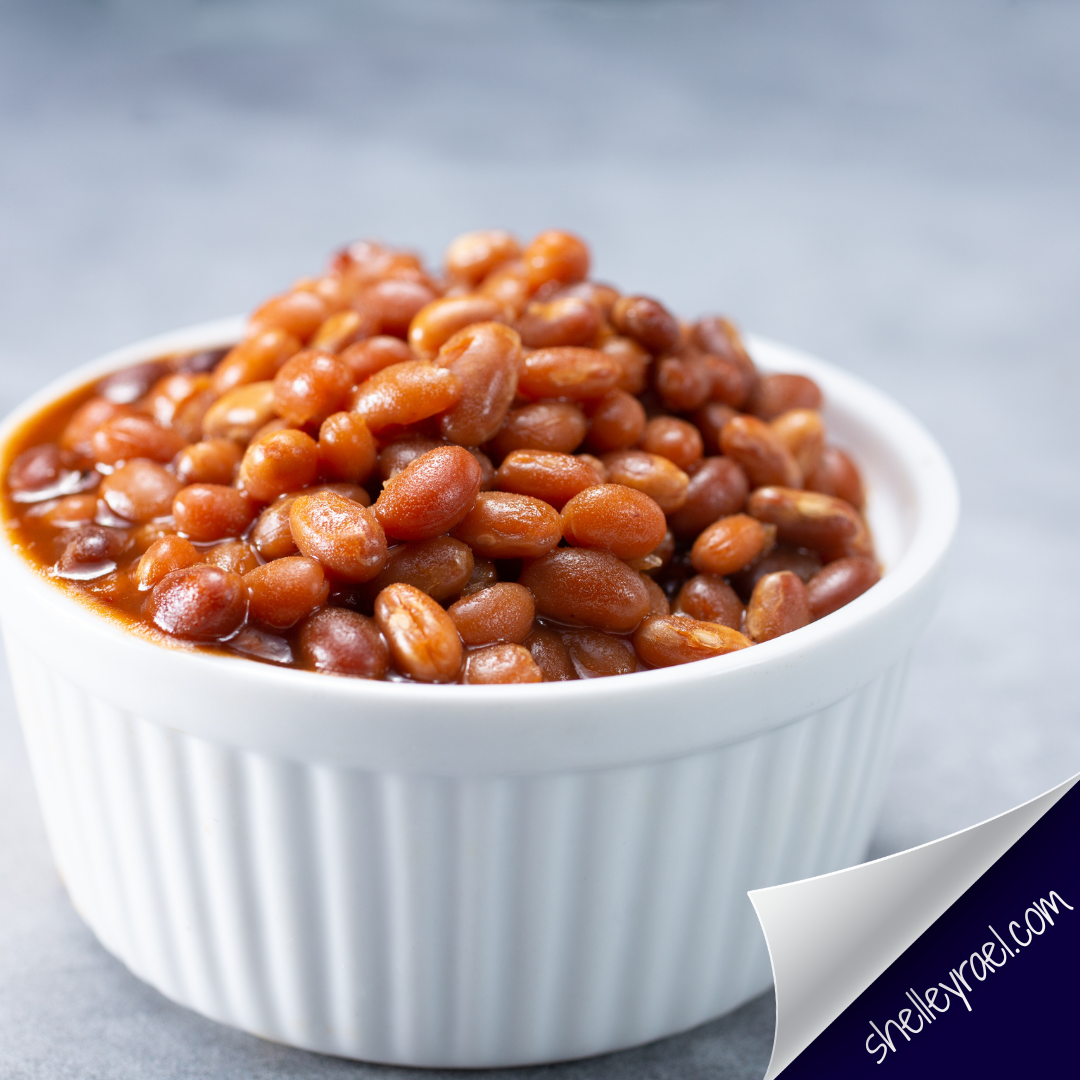
Canned or Dried? Both Have Their Place
People sometimes assume dried beans are healthier than canned beans. Truly, both can be excellent choices.
Dried beans
Usually costs less per serving
Allow you to control the texture (al dente or more mushy, no judgment)
Require soaking or longer cooking times, depending on the variety
Canned beans
Save considerable preparation time (seriously, open the can and drain)
Offer nearly the same nutritional value
Make healthy meals much easier on busy days
If sodium is a concern, choose reduced-sodium varieties or simply rinse canned beans under running water. Rinsing can remove a significant portion of the added sodium while leaving the nutrients intact.
I would rather people eat canned beans than not eat any beans. This should not be a barrier to eating them.
The healthiest choice is often the one you will use.
“Beans Give Me Gas”
This comes up often, especially from people who do not eat beans regularly.
Beans contain certain carbohydrates that are fermented by bacteria in the large intestine. That fermentation can produce gas. While it may be uncomfortable, it is also a normal part of digestion. And it can benefit gut bacteria.
Fortunately, the more consistently people eat beans, the fewer digestive symptoms.
“Beans, beans, the wonderful fruit, the more you eat, the less you toot.”
If this is an issue for you, here are a few tips:
Start with smaller portions.
Increase your intake gradually.
Drink enough fluids throughout the day.
Rinse canned beans before using them.
If cooking dried beans, discard the soaking water before cooking.
Most healthy digestive systems adapt over time with consistent intakes.
There Is a Bean for Almost Every Meal, Culture, and Cuisine
While pinto beans are the New Mexico bean of choice, there are so many varieties to try.
Some common varieties include:
Pinto beans
Black beans
Kidney beans
Navy beans
Great Northern beans
Cannellini beans
White beans
Lima beans
Butter beans
Garbanzo beans (chickpeas)
Black-eyed peas
Adzuki beans
Mung beans
Fava beans
Soybeans, including edamame
Anasazi beans
Yellow beans
Wax beans
Each variety has its own flavor, texture, and best uses. But really, there is no “wrong” bean.
Black beans work well in tacos, burritos, and grain bowls.
Chickpeas are excellent in salads, hummus, or roasted as a snack.
Cannellini beans pair well with soups and Italian dishes.
Kidney beans are a classic addition to chili.
Mung beans are common in many Asian dishes, while adzuki beans are often used in both savory recipes and desserts.
Trying a different variety every few weeks is an easy way to add variety to your meals.
Easy Ways to Eat More Beans
Not sure what to make or where to start? I tend to buy a variety of canned beans and then work them into dishes. This is where doing a simple search for ideas is best.
However, if beans are not already a regular part of your meals, there are plenty of simple ways to include them.
Add black beans to tacos or quesadillas.
Stir white beans into soups.
Toss chickpeas into salads.
Mix beans into pasta dishes.
Add beans to chili.
Blend beans into dips.
Make bean salads for summer meals.
Add beans to rice bowls.
Include beans in breakfast burritos.
You do not have to build every meal around beans. Even adding them a few times a week can make a big difference and provide benefits.
Key Takeaways
Beans are one of the most nutritious, affordable, and versatile foods available. They provide fiber, protein, vitamins, minerals, and lasting satisfaction while fitting into a wide variety of eating patterns.
Whether you buy them dried or canned, beans deserve more than an occasional appearance on your plate. They can be a side dish, a main course, a salad topping, a soup ingredient, or part of your favorite regional recipes.
If beans have already been part of your family’s traditions, keep enjoying them. If they have been missing from your meals, this may be a great time to rediscover just how much they have to offer.
Read More:
What Makes a Diet “Good”? Common Traits of Healthy Eating Patterns
The Best Diets: DASH, MIND, Flexitarian, Mediterranean, and Why They Consistently Rank Well
What Actually Matters? Finding an Eating Pattern That Works for You
Fiber 101: Soluble, Insoluble, Functional Fiber, and Resistant Starch
Probiotics, Prebiotics, and Postbiotics: What’s the Difference?
External References
Six Creative Ways to Enjoy Beans (Academy of Nutrition and Dietetics)
The Benefits of Beans and Legumes (American Heart Association)
Health Benefits of Plant-Based Nutrition: Focus on Beans in Cardiometabolic Diseases PMCID: PMC7915747 PMID: 33562498