
Fresh Fruits and Vegetables: Why Eating More Produce Is Still Great Advice
As part of this month’s discussion of eating patterns and dietary approaches, there is one thing that nearly every evidence-based eating pattern has in common.
They all encourage eating more fruits and vegetables.
Whether talking about the DASH diet, Mediterranean-style eating, the MIND diet, flexitarian eating, or plant-forward approaches, produce consistently plays a major role.
That raises an interesting question.
If nutrition experts often disagree on specific details, why do they all seem to agree on fruits and vegetables?
Produce FAQ
Are frozen vegetables as healthy as fresh?
Yes. Frozen vegetables can be just as nutritious as fresh vegetables and are often processed shortly after harvest, helping preserve nutrients.
Do fruits contain too much sugar?
No. Fruit contains natural sugars, but it also provides fiber, vitamins, minerals, water, and other beneficial nutrients.
Are organic fruits and vegetables healthier?
Not necessarily. Both organic and conventionally grown produce can be nutritious choices. The most important thing is eating fruits and vegetables, regardless of how they were grown.
Do I need special fruit and vegetable washes?
No. Washing produce under running water is sufficient for most fruits and vegetables. Special produce washes are generally unnecessary.
Can you eat too many fruits and vegetables?
Technically, yes, but most people are far more likely to eat too few than too many. For most healthy individuals, increasing fruit and vegetable intake is beneficial.
The answer is simple. Fruits and vegetables provide a wide variety of nutrients, fiber, water, and beneficial plant compounds that support overall health. They fit into nearly every dietary pattern and can help make meals more satisfying and nutrient dense.
Since June is Fresh Fruit and Vegetable Month, I want to take the opportunity to look more closely at why produce continues to have such strong recommendations and to address some of the myths that often create confusion.
Why Fruits and Vegetables Show Up in Every Healthy Eating Pattern
When researchers study dietary patterns associated with better health outcomes, fruits and vegetables consistently appear near the top of the list.
They provide:
Vitamins and minerals
Fiber
Water
Antioxidants
Phytochemicals and other plant compounds
Most fruits and vegetables are relatively low in calories compared to many processed foods, while providing substantial volume and nutrition.
This combination can help support satiety, digestive health, cardiovascular health, and overall dietary quality.
They also contribute variety.
Different colors often indicate different nutrients and beneficial compounds. This is one reason you may hear the recommendation to “eat the rainbow.”
Red tomatoes, orange carrots, green spinach, purple eggplant, blueberries, and yellow peppers all contribute something a little different nutritionally.
Fresh Is Great, But It Is Not the Only Option
Because this is Fresh Fruit and Vegetable Month, it is easy to focus exclusively on fresh produce. But that would be disingenuous, as I don’t want to mislead people into thinking “fresh is best,” since that isn’t always true.
Fresh produce is wonderful when it is available, affordable, and practical.
However, fresh is not always the best choice for every situation.
Frozen fruits and vegetables are often picked and processed shortly after harvest, helping preserve many nutrients.
Canned fruits and vegetables can also be nutritious options, particularly when fresh produce is unavailable, too expensive, or likely to spoil before being used.
I often remind people that the best fruit or vegetable is the one that gets eaten.
If a bag of frozen vegetables helps you get more vegetables at dinner, then great.
If canned peaches packed in juice make it easier to eat fruit, that is great too.
Having something is generally better than having nothing.
Myth: Organic Produce Is Healthier
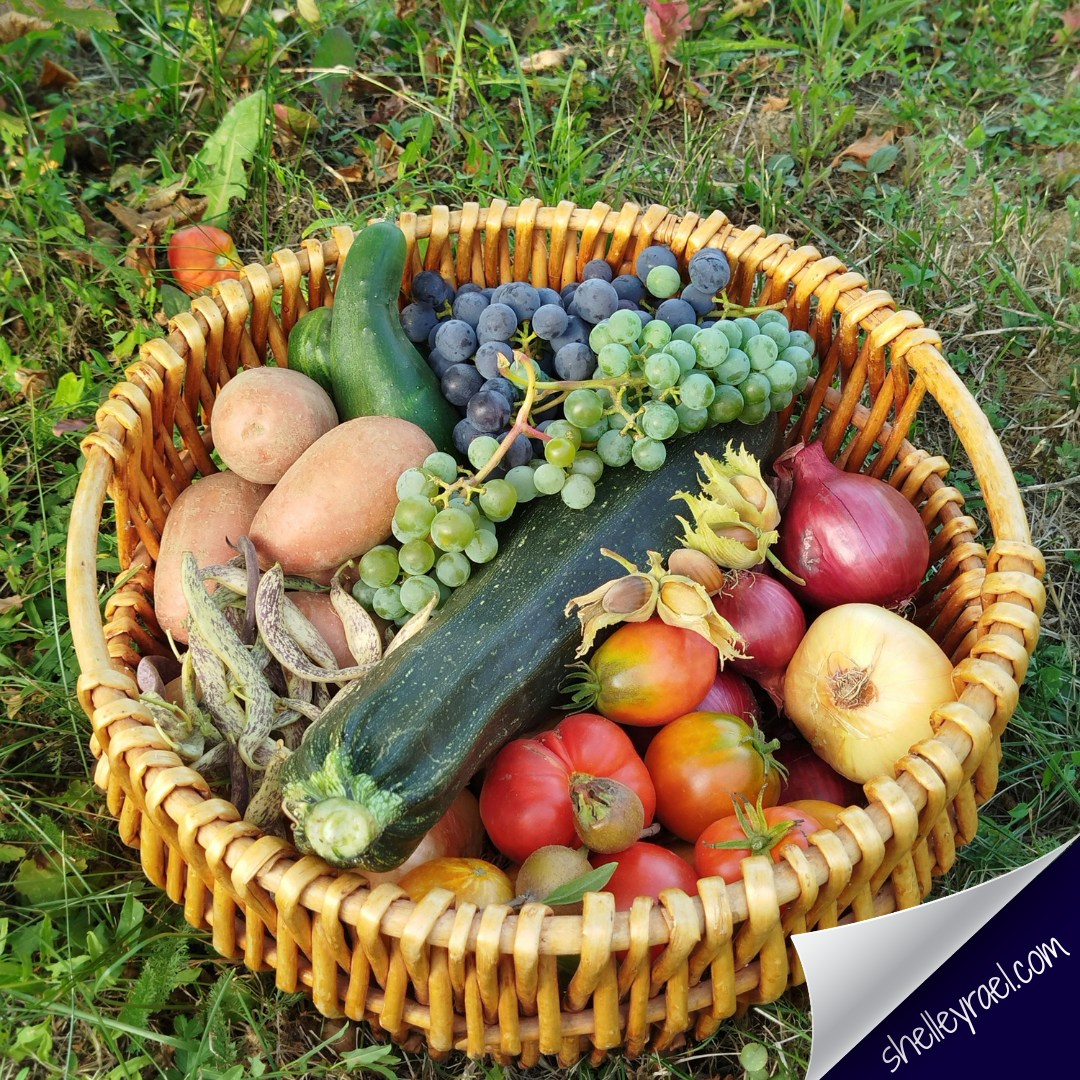
One of the most common misconceptions is that organic fruits and vegetables are significantly more nutritious than conventionally grown produce.
The research does not consistently support that. At all.
Organic and conventionally grown produce both provide vitamins, minerals, fiber, and beneficial plant compounds.
Some studies have found small differences in certain nutrients, but these differences are generally not large enough to meaningfully impact health.
If you prefer organic produce and it fits your budget, that is certainly an option.
However, choosing conventional fruits and vegetables is still a healthy choice.
The most important thing is eating fruits and vegetables, regardless of how they were grown.
Myth: Organic Means No Pesticides
Another misunderstanding is that organic farming uses no pesticides.
Organic farming can and does use pesticides. The difference is that the pesticides permitted under organic production standards differ from many conventional pesticide options.
Both organic and conventional farmers use methods to protect crops from insects, weeds, and disease.
Consumers are often surprised to learn that organic does not mean pesticide-free.
Myth: Pesticide Residues Make Produce Unsafe
This concern frequently comes from lists such as the Environmental Working Group’s “Dirty Dozen.”
While these lists receive significant media attention, they often create unnecessary fear about consuming produce.
The reality is that pesticide residues on fruits and vegetables are monitored and regulated. The amounts detected are typically far below established safety limits.
Numerous scientific and public health organizations continue to encourage fruit and vegetable consumption because the health benefits greatly outweigh concerns about pesticide residues.
People are generally better off eating fruits and vegetables than avoiding them because of the fear of trace residues.
Myth: You Need Special Produce Washes
Good news.
You do not need expensive fruit and vegetable washes.
Plain running water is sufficient for washing most produce.
According to food safety recommendations, rinsing produce under running water and gently scrubbing firm produce when appropriate is all that is needed.
Save your money for more fruits and vegetables.
Myth: Fruit Has Too Much Sugar
Fruit is often criticized for containing natural sugars.
While fruit does contain sugar, it also contains fiber, water, vitamins, minerals, and numerous beneficial plant compounds.
An apple is not nutritionally equivalent to candy simply because both contain sugar.
The fiber and overall nutrient package are significant.
For most people, fruit can absolutely be part of a healthy eating pattern.
Myth: Root Vegetables Are “Too High in Carbs”
Potatoes, sweet potatoes, carrots, beets, and other root vegetables are sometimes portrayed as foods to avoid.
Yet these foods provide important nutrients, fiber, and energy.
Potatoes, for example, are one of the richest sources of potassium in the American diet.
Root vegetables have nourished populations around the world for centuries and can fit into healthy eating patterns.
Myth: Nightshades Are Harmful
Tomatoes, peppers, eggplant, and potatoes belong to a plant family known as nightshades.
Claims that nightshades are harmful for everyone continue to circulate online.
For most people, there is no evidence that nightshades need to be avoided.
Certain individuals may have specific sensitivities, but broad recommendations to eliminate nightshades are not supported by current evidence.
For most people, these foods provide valuable nutrients and can be part of a healthy diet.
Are There Any “Bad” Fruits or Vegetables?
No.
With this one, there is no gray area.
Some fruits and vegetables provide different nutrients than others, but there is no universally bad fruit or vegetable.
If someone enjoys bananas more than blueberries, that is fine.
If carrots are more appealing than kale, that is fine too.
Eating a variety of produce is generally more important than chasing the latest nutrition trend.
Can You Eat Too Much Produce?
Technically, yes.
Almost anything can be consumed in excessive amounts.
Eating extremely large quantities of fruits and vegetables may cause digestive discomfort in some people due to their high fiber content.
Certain medical conditions may also require specific modifications.
For most healthy individuals, however, underconsumption is far more common than overconsumption.
Most Americans would likely benefit from eating more fruits and vegetables, not less.
Realistic Ways to Eat More Produce
If increasing fruit and vegetable intake feels overwhelming, start small.
Try:
Adding fruit to breakfast
Including a vegetable with lunch
Keeping frozen vegetables on hand
Adding extra vegetables to soups, tacos, pasta dishes, and casseroles
Snacking on fruit instead of skipping snacks altogether
Trying one new fruit or vegetable each week
Small changes can add up over time.
Key Takeaways
Eat more fruits and vegetables.
Nutrition recommendations have changed considerably over the years, but one piece of advice has remained remarkably consistent.
Eat more fruits and vegetables.
Whether they are fresh, frozen, canned, organic, conventional, raw, cooked, local, or imported, fruits and vegetables provide nutrients that support health and fit into nearly every evidence-based eating pattern.
Rather than worrying about whether a fruit contains too much sugar or whether a vegetable belongs on a list circulating online, focus on eating a variety of produce in forms that fit your budget, preferences, and lifestyle.
The healthiest fruits and vegetables are often the ones you enjoy enough to eat regularly.