
Five More Weight Loss Myths Busted
Five More Weight Loss Myths Busted
A few weeks ago, I covered five common weight loss myths that continue to circulate despite decades of nutrition research. If you missed that article, you can find it here: Five Weight Loss Myths Busted.The reality is that there are far more than 10 weight-loss myths.Some have been around for decades. Others seem to gain popularity every few years, with a new name, a new influencer, or a new marketing campaign attached.Many of these myths persist because they contain a small grain of truth wrapped in a much larger misunderstanding.I want to cover five more
Free Download: Bust 10 Common Nutrition Myths
Confused by all the conflicting nutrition advice out there?
Download my free e-book, Top 10 Nutrition Myths Busted: Get the Facts, and learn what the science actually says about some of the most common nutrition misconceptions.
Inside, you’ll discover the facts behind topics such as:
Are carbohydrates really bad for you?
Do you need to detox?
Is eating late at night harmful?
Are certain foods “good” or “bad”?
And much more
This free guide helps cut through the noise so you can make informed decisions about your health and nutrition.
Download your free copy here.
Myth #1: Low-Carb Diets Are the Best Way to Lose Weight
This is one of those topics that could easily fill an entire article and has…Low-Carb and No-Carb Diets: What They Get Right and What They Miss
Whether the plan is called Atkins, keto, paleo, low-carb, or something else, the underlying message is usually the same: carbohydrates are the problem.
The reality is more complicated.
Carbohydrates are found in many foods, including fruits, vegetables, beans, whole grains, and dairy foods. Eliminating carbohydrates does not just mean skipping bread and pasta.
One reason people often see rapid weight loss when starting a low-carbohydrate diet is that carbohydrates are stored in the body along with water. When carbohydrate stores decrease, water is released.
This can create a noticeable drop on the scale within the first several days.
The important point is that much of this initial weight loss is water, not body fat. Important distinction. Most people want to lose fat when it comes to weight loss.
When carbohydrates are added back into the diet, some of that water returns.
Can low-carbohydrate diets lead to weight loss?
Yes.
But they are not the only way to lose weight, and they are not inherently superior for everyone. What matters most is whether the eating pattern is sustainable and provides adequate nutrition over time.
And please do not skip fruits and vegetables in the process.
Myth #2: Healthy Food Tastes Like Cardboard
I have always found this one amusing.
First, who is eating cardboard?
Second, have they ever tasted a ripe peach in the middle of summer?
Or fresh strawberries?
Or roasted potatoes?
Or salmon?
Or peanut butter?
Or a perfectly ripe avocado?
Healthy foods come in thousands of varieties with different flavors, textures, and preparation methods.
When someone says healthy food tastes bad, I often wonder whether they have simply not found foods they enjoy yet.
Taste preferences are highly individual.
I am not a fan of Brussels sprouts. Some people love them.
That does not make them good or bad.
The bigger issue is that many people assume weight loss requires suffering.
It does not.
Enjoying food and eating nutritious foods are not mutually exclusive.
In fact, finding foods you genuinely enjoy is one of the keys to long-term success.
Myth #3: Going Gluten-Free Causes Weight Loss
This myth refuses to disappear.
Gluten is a protein found in wheat, barley, and rye.
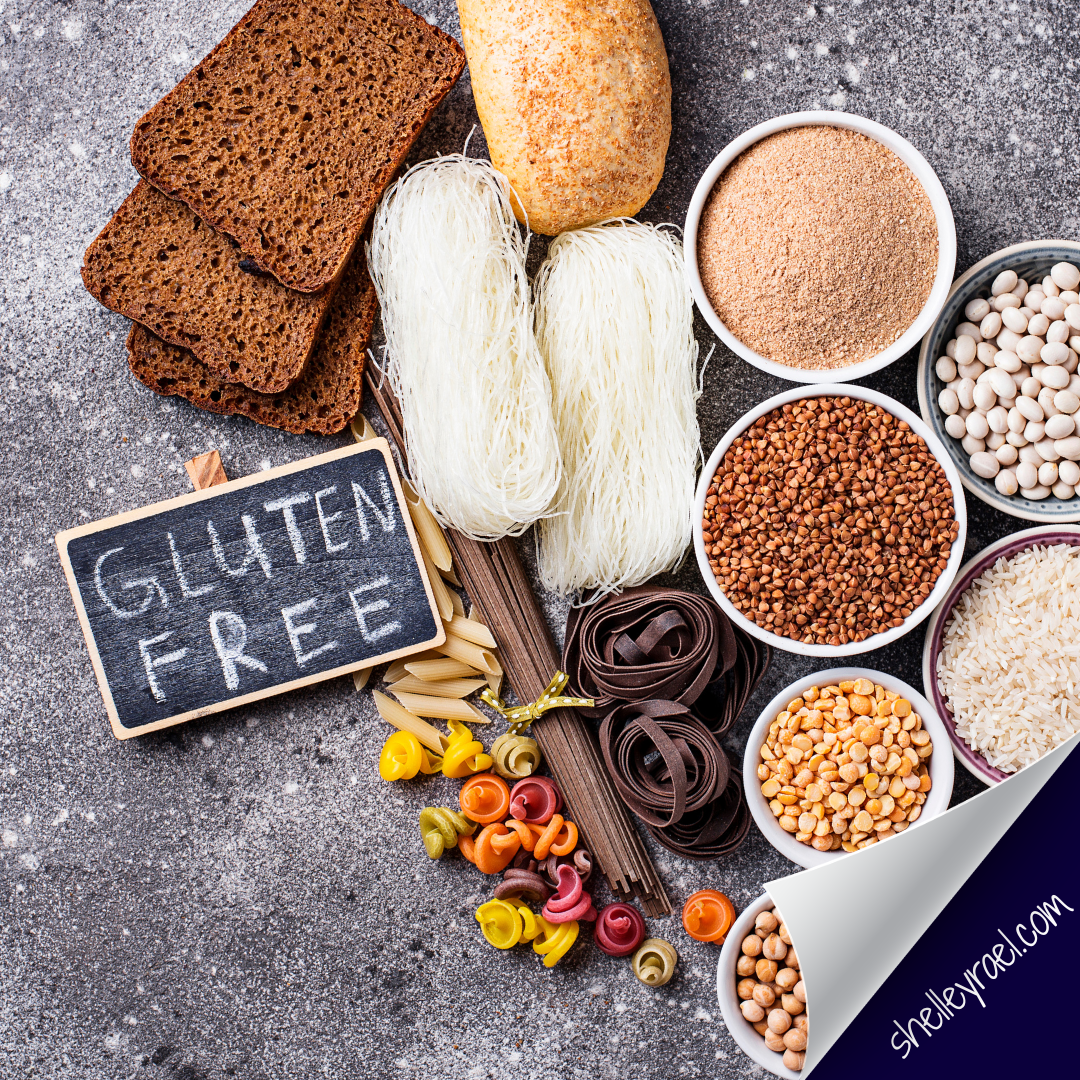
A gluten-free diet is medically necessary for people with celiac disease and may also be appropriate for individuals with wheat allergies or non-celiac gluten sensitivity.
What it is not is a weight loss diet.
Many naturally gluten-free foods are already part of healthy eating patterns:
Fruits
Vegetables
Beans
Nuts
Seeds
Meat
Poultry
Fish
Dairy foods
Rice
Weight loss is not the reason gluten-free diets were developed.
In fact, some gluten-free products contain similar or even more calories than their gluten-containing counterparts.
A gluten-free cookie is still a cookie.
A gluten-free pizza is still pizza.
The nutritional profile may differ, but being gluten-free does not automatically mean it is healthier.
Myth #4: Going Vegan Automatically Leads to Weight Loss
Plant-based eating patterns can absolutely support weight loss.
But veganism itself is not a weight loss strategy.
A vegan diet excludes all animal-derived foods.
People choose vegan diets for many reasons, including ethical, environmental, and cultural beliefs, as well as health goals.
Whether weight loss occurs depends largely on overall calorie intake and food choices.
Someone could build a vegan eating pattern around vegetables, beans, fruits, and whole grains.
Someone else could build a vegan eating pattern around chips, cookies, candy, and sugary beverages.
Both are technically vegan.
Only one is likely to provide a more nutrient-dense eating pattern.
A well-planned vegan diet can absolutely support good health.
But simply removing animal products does not guarantee weight loss.
Myth #5: Exercise Alone Will Lead to Weight Loss
Exercise is one of the best things you can do for your health.
It supports cardiovascular health, muscular strength, mental health, bone health, physical function, and overall well-being.
But many people overestimate how many calories exercise burns.
Years ago, someone told me she had been doing yoga regularly for a year and was frustrated because she had not lost weight.
The assumption seemed to be that exercise automatically leads to weight loss.
Unfortunately, it is not that simple.
Physical activity absolutely contributes to weight management.
However, exercise is only one piece of the puzzle. And not even the biggest piece when it comes to weight management.
For example, a 30-minute workout may burn a few hundred calories, depending on the activity and the individual. It is surprisingly easy to consume those calories again.
That does not mean exercise is unimportant.
Far from it.
Exercise helps preserve muscle during weight loss, improves health outcomes, and supports long-term weight maintenance.
But relying on exercise alone while ignoring eating habits often leads to disappointment.
Why These Myths Persist
Most weight loss myths survive because they offer simple answers to complex questions.
People want quick solutions.
They want certainty.
They want a straightforward formula.
Nutrition rarely works that way.
Human beings are complicated.
Health is complicated.
Weight management is complicated.
The most effective approaches are usually not the most exciting.
Key Takeaways
Low-carbohydrate diets are not the only path to weight loss.
Healthy foods do not have to be bland or boring.
Gluten-free eating is not a weight loss strategy.
Vegan diets can support weight loss, but they do not automatically cause it.
Exercise is important for health and weight management, but it works best when paired with sustainable eating habits.
Long-term success comes from consistent habits, not nutrition myths.
Weight management is challenging enough without misinformation getting in the way.
Understanding what the evidence actually says can help people make decisions based on facts rather than marketing claims or social media trends.
And yes, there are still plenty more myths to bust.
Read the Entire Series:
What Is a Diet, Really? Why We’ve Misunderstood the Word “Diet”
What Makes a Diet “Good”? Common Traits of Healthy Eating Patterns
The Best Diets: DASH, MIND, Flexitarian, Mediterranean, and Why They Consistently Rank Well
When Diets Go Sideways: How Keto, Carnivore, and Other Trends Drift from Their Original Purpose
The Most Misguided Diets: Cabbage Soup, Military Diet, Detoxes, and Other Quick-Fix Promises
What Actually Matters? Finding an Eating Pattern That Works for You
Additional Blogs:
Healthy Eating vs. Perfect Eating: Why Consistency Matters More
Whole Foods vs. Isolated Nutrients: Why Food Synergy Matters
Free E-Book:
Real World Nutrition Refreshed. As nutrition science and perspectives evolve over time, older blog posts are occasionally updated and republished. This post was originally written in January 2023 and has been refreshed and expanded here.