What Is a Diet, Really? Why We’ve Misunderstood the Word “Diet”
This month, I am taking a closer look at diets. Not the latest social media trends or quick-fix promises, but the broader concept of dietary patterns and how they influence health.
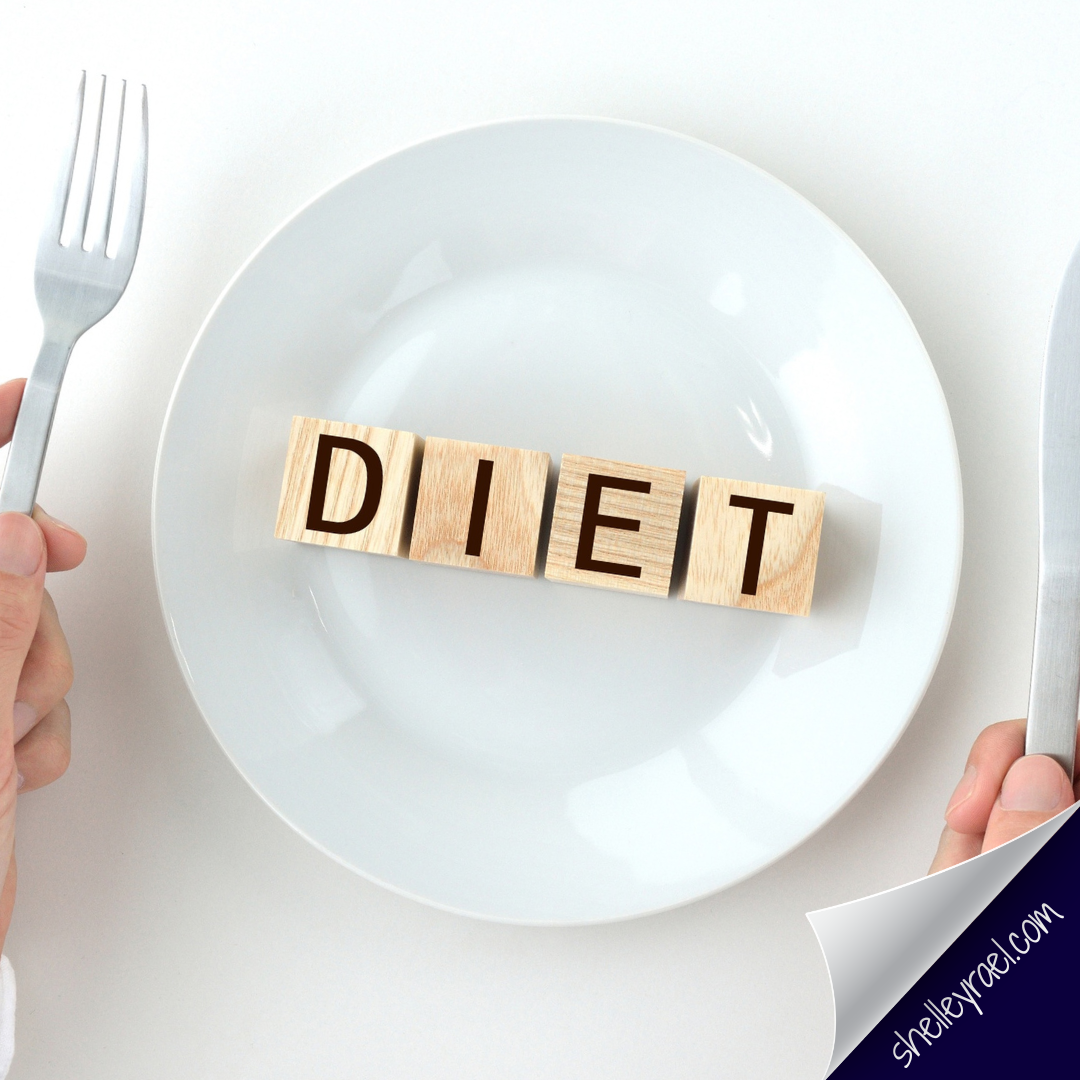
The word “diet” often suggests restrictions, weight loss, and rules about what you can and cannot eat. A diet is simply the pattern of foods and beverages a person regularly consumes. Some diets are designed to support health conditions, some are rooted in cultural traditions, and others are promoted for weight loss or wellness.
Throughout this series, I’ll address what a diet really is, what makes some eating patterns beneficial, why some diets become distorted over time, and how to separate evidence-based nutrition from marketing hype. The goal is not to tell you which diet to follow. Instead, it’s to help you better understand the many ways people eat and how to evaluate dietary advice through a practical, real-world lens.
If I ask someone during a nutrition appointment to tell me about their typical diet, I often get one of two responses:
“I don’t follow a diet.”
Or:
“I don’t diet.”
The first time I received this response, I was confused and quickly realized why. It highlights one of the biggest misunderstandings in nutrition. The word diet has become so closely associated with weight-loss plans, food rules, and restrictions that many people forget its original meaning.
When I ask about your diet, I’m not asking whether you’re counting calories, cutting carbs, or following a specific program. I’m simply asking about your usual pattern of eating. What foods do you typically choose? When do you eat? What beverages do you drink? What does a normal day or week of eating look like for you?
The truth is that everyone follows a diet.
What Is a Diet?
At its most basic level, a diet is simply a pattern of eating.
It is the collection of foods, beverages, meals, snacks, traditions, preferences, and habits that make up your usual way of eating. Whether you cook most meals at home, grab breakfast on the way to work, enjoy family dinners, follow cultural food traditions, or eat a plant-based lifestyle, those choices all contribute to your diet.
A diet is not automatically a weight-loss plan.
A diet is not necessarily restrictive.
A diet is not always designed to change your body size.
A diet is simply how you eat.
For example:
A college student living on a budget has a diet.
A vegetarian has a diet.
Someone who enjoys a wide variety of foods has a diet.
Someone who eats fast food several times a week has a diet.
Someone who follows a Mediterranean-style eating pattern has a diet.
Everyone has one. Everyone.
How the Word Became Loaded
Over the years, the word diet has taken on a very different meaning in popular culture.
When many people hear the word, they immediately think of:
Weight loss
Restriction
Eliminating foods
Strict rules
Temporary eating plans
“Good” and “bad” foods
This shift did not happen overnight. Decades of diet books, celebrity endorsements, social media influencers, and aggressive marketing have transformed the word into something that often feels negative or stressful. And often failure. If you are of a certain age, Oprah was always at the forefront of any diet. Again, and again.
Many people have spent years cycling through plans that promised quick results. As a result, the word diet now carries emotional baggage for many individuals.
Some people associate it with guilt.
Others associate it with failure.
Some feel frustrated because they’ve tried multiple diets that were difficult to maintain.
When a simple nutrition term becomes tied to emotions, expectations, and past experiences, it is easy to lose sight of its original meaning.
Weight-Loss Diets Versus Eating Patterns
One reason for the confusion is that we often use the same word to describe two very different things.
On one hand, a diet can refer to a person’s overall eating pattern. The original meaning.
On the other hand, it can describe a structured plan intended to produce a specific outcome, often weight loss.
For example, when someone says they are “going on a diet,” they usually mean a temporary plan to change something. They may be reducing calories, eliminating food groups, or following a specific set of rules.
In contrast, when nutrition professionals discuss dietary patterns, we are looking at the bigger picture. We are interested in the overall combination of foods someone regularly eats and how those choices affect health over time.
This distinction matters because long-term health is influenced more by consistent patterns than by short-term dietary experiments.
The Non-Diet Perspective
One of the reasons I embrace a non-diet approach is that it shifts the focus away from restriction and toward sustainable habits.
A non-diet philosophy does not mean nutrition does not matter.
It does not mean ignoring health.
It does not mean eating anything at any time without considering how it affects your body.
Instead, a non-diet approach recognizes that health is influenced by many factors and that nutrition should support your life rather than control it.
The focus becomes:
Building balanced meals
Including a variety of foods
Honoring hunger and fullness cues
Enjoying food without excessive guilt
Creating habits that can realistically fit into daily life
Rather than asking, “What foods should I eliminate?” the question becomes, “What eating pattern supports my health and well-being?”
Can All Foods Fit?
One of the core principles I often discuss is that all foods can fit within an overall healthy eating pattern.
That statement sometimes surprises people.
It does not mean every food provides the same nutritional value.
It does not mean nutrition quality is irrelevant.
What it does mean is that a single food rarely determines the healthfulness of an entire diet.
Health is shaped by patterns.
If most of your meals include nutritious foods that provide protein, fiber, vitamins, minerals, and other beneficial nutrients, there is room for birthday cake, ice cream, chips, holiday meals, and favorite comfort foods.
Nutrition is not determined by a single meal, a single snack, or a single day of eating.
It is shaped by what happens consistently over time.
When Restriction Is Necessary
Of course, there are situations where food restrictions are medically necessary.
Someone with celiac disease needs to avoid gluten.
Someone with a food allergy may need to avoid a specific food entirely.
Individuals with certain health conditions may need to adjust their sodium, potassium, carbohydrate, or other nutrient intake based on medical recommendations.
These restrictions, or recommendations, serve a specific health purpose. They are very different from arbitrary food rules promoted by fad diets or wellness trends.
Medical nutrition therapy is about supporting health and safety, not creating unnecessary limitations.
Looking Beyond Labels
As we begin this series, I encourage you to think differently about the word diet. Ask yourself what you think when the question “What is a diet?” is asked.
Instead of viewing it as a temporary plan or a list of forbidden foods, think of it as your overall pattern of eating.
Your diet is not defined by one food.
It is not defined by one meal.
It is not defined by what you eat on holidays, vacations, or special occasions.
It is the larger picture of how you nourish yourself over time.
Understanding that distinction is the first step toward evaluating nutrition advice more thoughtfully and developing a healthier relationship with food.
Next up in this series, I’ll address an important question: What makes a diet “good”? And I’ll look at the common characteristics of eating patterns that consistently support health and why sustainability often matters more than strict food rules.
Read the Entire Series:
What Is a Diet, Really? Why We’ve Misunderstood the Word “Diet”
What Makes a Diet “Good”? Common Traits of Healthy Eating Patterns
The Best Diets: DASH, MIND, Flexitarian, Mediterranean, and Why They Consistently Rank Well
When Diets Go Sideways: How Keto, Carnivore, and Other Trends Drift from Their Original Purpose
The Most Misguided Diets: Cabbage Soup, Military Diet, Detoxes, and Other Quick-Fix Promises
What Actually Matters? Finding an Eating Pattern That Works for You
Additional Blogs:
Healthy Eating vs. Perfect Eating: Why Consistency Matters More
Whole Foods vs. Isolated Nutrients: Why Food Synergy Matters
Free E-Book: